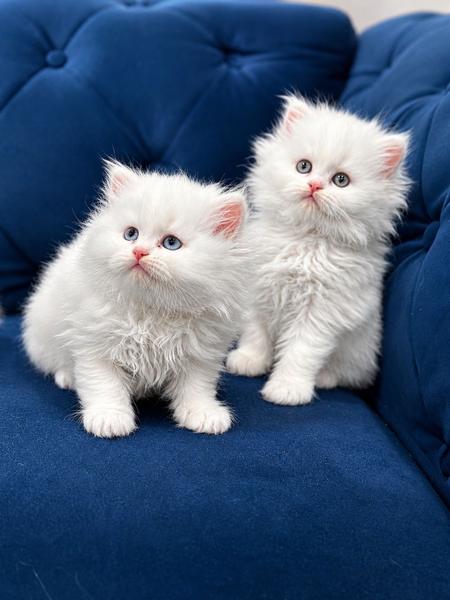
Melbourne's shelters and rescue groups rehome thousands of cats and kittens every year. Here's where to look, how adoption works, what Victorian law requires of anyone rehoming a kitten, what adoption usually includes, and how to prepare your home.
If you're thinking about getting a kitten or cat in Melbourne, adoption is a great place to start. Shelters and rescue groups across the city have kittens, adult cats and seniors of every colour and personality, and most are desexed, microchipped and vaccinated before they go home.
Advertisement
This guide covers where to adopt a cat in Melbourne, the rules for rehoming cats in Victoria, how the adoption process works, what adoption usually includes, and how to prepare your home for a new kitten or cat.
Why adopt?
- You give a cat a home. Shelters and rescue groups take in large numbers of cats and kittens, especially in the warmer months.
- Health care is usually included. Adopted cats are usually health-checked, vaccinated, desexed and microchipped before they go home.
- You can choose by personality. Shelter staff and foster carers get to know each cat and can help you find one that suits your household.
- Adult cats are a great option. With an adult cat, what you see is what you get: its size, coat and temperament are already settled.
Where to adopt a cat in Melbourne
Opening hours, locations and adoption processes change, so check each organisation's website before you visit.
RSPCA Victoria
RSPCA Victoria's main shelter is at Burwood East, and it has other locations around the state. Cats and kittens available for adoption are listed on its online adoption centre, and some cats are also adopted through partner pet stores. Burwood East lists adoptions among its services seven days a week.
Lort Smith
Lort Smith, an animal hospital and welfare organisation in North Melbourne, runs an adoption centre that takes in surrendered pets. It says it will never euthanise an animal that can be rehomed. Its adopted animals are typically health-checked, vaccinated, desexed and microchipped.
The Lost Dogs' Home
Despite its name, the Lost Dogs' Home rehomes cats as well as dogs, from its shelters in North Melbourne and Cranbourne. Cats are available for walk-in adoption, and fees vary depending on the animal.
Cat Protection Society of Victoria
Based in Greensborough, the Cat Protection Society of Victoria describes itself as Australia's largest cat welfare organisation. It also provides pound and shelter services for a number of Melbourne councils, and runs low-cost and free desexing programs with some councils.
Australian Animal Protection Society
The Australian Animal Protection Society (AAPS), in Melbourne's south-east, also rehomes cats and kittens. Check its website for current location and adoption details.
Rescue groups and foster networks
Melbourne has many volunteer rescue groups and foster networks, which care for cats in foster homes rather than a shelter. Foster carers often know a cat's personality very well, including how it behaves with children, other cats and dogs. Many list their cats on PetRescue, a national website that brings together listings from rescue groups and shelters.
Council pounds
Many councils run pounds, or contract a shelter to run them, for lost and stray cats. Unclaimed cats that are suitable for rehoming may be offered for adoption. Check your council's website.
Breed rescue
If you're keen on a particular breed, such as a Ragdoll, Burmese or Maine Coon, breed clubs and breed rescue groups sometimes rehome pedigree cats, including retired breeding cats. See our guides to Ragdoll cats, Burmese kittens for sale in Melbourne and Maine Coon kittens for sale.
Victoria's rules for rehoming cats
Victoria has strict rules for anyone selling, rehoming or giving away a cat or kitten. They help you check that a cat comes from a legitimate source.
Source numbers and microchip numbers in advertisements
Every advertisement to sell, rehome or give away a cat in Victoria must show:
- a source number from the Pet Exchange Register, and
- the cat's microchip number.
Rescue groups and community foster care networks can register for source numbers too. Their numbers start with the prefix "RE". You can check a source number on the Pet Exchange Register website. If an advertisement doesn't include a source number and microchip number, be cautious: it's an offence, and the advertiser may not be legitimate.
Victoria is also introducing an Authorised Pet Rehoming Organisation scheme from 10 April 2027, under which approved rehoming organisations will receive source numbers valid for three years and report on the animals they rehome.
Free kittens and online advertisements
Kittens are often offered free or cheaply in online classifieds and community groups. Some are from genuine owners with an unplanned litter, but these kittens are often not vaccinated, desexed or health-checked, and the advertisement must still include a source number and microchip number. RSPCA Victoria warns that no trustworthy seller rehomes a kitten before eight weeks of age, because kittens younger than that aren't fully weaned and have poor immunity.
Registering your new cat
In Victoria, cats must be registered with your local council from three months of age, and must be microchipped before registration. Many councils require cats to be desexed, and many have cat curfews or 24-hour containment rules. See our guide to cat laws in Australia.
How adoption works
Processes vary between organisations, but they usually involve:
- Browsing. Look at online listings, or visit the shelter.
- Applying. Fill in an application form about your home, household, other pets and lifestyle.
- Meeting the cat. Spend time with the cat or kitten. Shelter staff or foster carers can tell you about its personality and needs.
- Matching. Staff may suggest a different cat if they think it would suit you better. That's worth listening to.
- Paying the adoption fee and signing the adoption agreement.
- Taking your cat home, with its health records, microchip transfer details and advice on food and settling in.
Some organisations may ask about your rental agreement, whether other pets in the home are desexed and vaccinated, or how you'll keep the cat contained.
What adoption usually includes
Most shelters and rescue groups include in the adoption fee:
- desexing
- microchipping, with the registration transferred to you
- vaccinations appropriate to the cat's age
- worming and flea treatment
- a health check by a vet
Advertisement
Some also include a period of free pet insurance, a vet check after adoption, or a starter pack of food. Adoption fees vary between organisations and by the cat's age. Kittens often cost more than adult cats, and some organisations reduce fees for senior cats or during adoption drives.
Kitten vaccinations
Kittens usually start vaccinations at six to eight weeks, with boosters every two to four weeks until they're at least 16 weeks old. In Australia, the core vaccine is often called F3. If your kitten hasn't finished its course, your adoption papers will tell you when the next vaccination is due.
Questions to ask before you adopt
Shelter staff and foster carers want each adoption to work out, so they're happy to answer questions. Useful ones include:
- How old is the cat, and what do you know about its history?
- How does it behave with children, other cats and dogs?
- Is it confident or shy? How does it react to visitors and noise?
- Has it lived indoors? Does it use a litter tray reliably?
- Does it have any health conditions, special diet or medication?
- Which vaccinations has it had, and when are the next ones due?
- What food is it eating now?
- What support do you offer after adoption, and what happens if it doesn't work out?
Be honest about your own household too: who lives with you, how long the house is empty each day, any other pets, and whether you rent. The better the match, the more likely your new cat is to settle quickly.
Think about the long term
Cats commonly live into their mid-teens, and many live longer. Before you adopt, think about the costs of food, litter, vet care and insurance over that time, and who would care for your cat if you went away or your circumstances changed.
Kitten or adult cat?
Kittens
Kittens are playful and adaptable, but they need a lot of time, supervision and training, and their adult personality is harder to predict. Many shelters recommend adopting two kittens together, so they can play with and learn from each other, especially if no one is home during the day.
Adult and senior cats
Adult cats are often overlooked, but they make wonderful companions. Their personality is known, they're usually calmer, and they're often already used to living with people. Senior cats can be ideal for quieter households, and many shelters have older cats waiting a long time for homes.
Preparing your home
Before your new cat arrives:
- Set up a quiet room with a litter tray, food and water bowls, a bed, a hiding place and a scratching post. Keep your new cat in this room for the first days while it settles.
- Cat-proof your home. Secure windows and balcony doors, put away cords, string, hair ties and small objects, and remove toxic plants, especially lilies.
- Buy the basics: a complete and balanced kitten or adult food, litter and tray, a carrier, bowls, a scratching post and toys. See our guides to cat scratching posts and cat trees and interactive cat toys.
- Plan containment. Decide how you'll keep your cat safe at home, whether that's indoors only or with access to a catio. See our guide to cat enclosures and catios.
- Book a vet check within the first week or two.
Settling in
- Go slowly. Let your new cat explore one room, then gradually more of the house.
- Let it come to you. Sit quietly, offer treats, and let your cat approach in its own time.
- Keep a routine. Feed at the same times each day. Kittens need more frequent meals than adult cats. See our guide to how often to feed your cat.
- Introduce other pets gradually. See our guide to warning signs when introducing cats.
- Expect an adjustment period. The "3-3-3 rule" is a rough guide: about three days to decompress, three weeks to learn the routine and three months to feel fully at home. See our guide to cat body language and sounds.
If you can't adopt
There are other ways to help Melbourne's cats:
- Foster. Many shelters and rescue groups need foster carers, especially for kittens in the warmer months.
- Volunteer at a shelter.
- Donate food, bedding or money.
- Desex your own cats and keep them contained, which reduces the number of unwanted kittens.
Frequently asked questions
How much does it cost to adopt a kitten in Melbourne?
Fees vary between organisations and by age. They usually include desexing, microchipping, vaccinations, worming and a health check, which would cost much more if you paid for them separately. Check each organisation's website for current fees.
Can I get a free kitten in Melbourne?
Free kittens are sometimes advertised online, but they're often not desexed, vaccinated or health-checked, and the advertisement must still include a source number and microchip number. Adopting from a shelter or rescue group is usually better value in the long run.
What age can a kitten be adopted?
Never before eight weeks. Most shelters and rescue groups rehome kittens once they're old enough to be desexed and have had at least their first vaccinations.
Do I need to register my adopted cat with the council?
Yes. In Victoria, cats must be registered with your council from three months of age. The shelter will give you the microchip and desexing details you need.
Can I adopt a cat if I'm renting?
Usually, yes. In Victoria, renters ask permission using Consumer Affairs Victoria's pet request form. The rental provider has 14 days to respond, and if they want to refuse, they must apply to VCAT. If they don't respond within 14 days, you can keep the pet. Check Consumer Affairs Victoria for the current rules, and have consent sorted before you apply to adopt.
Should I adopt one kitten or two?
If you're out for long hours, two kittens can keep each other company and burn off energy together. Many shelters encourage adopting kittens in pairs.
Advertisement