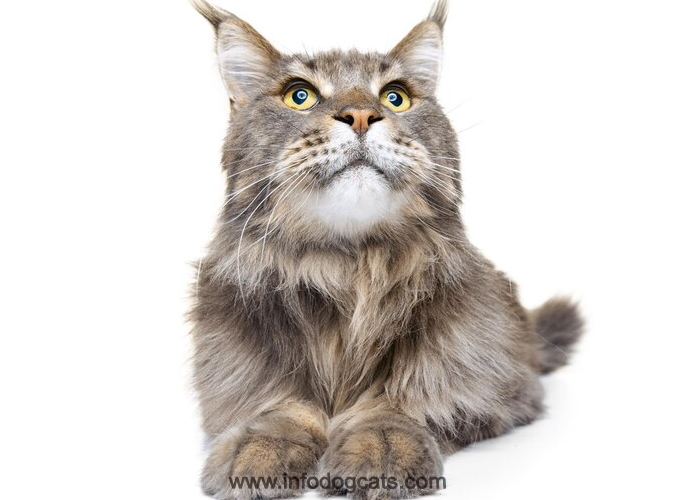
Where to find Maine Coon kittens in Australia, how to check a breeder is registered, which health tests to ask about, what should come with your kitten, and how to avoid kitten scams.
Maine Coons are popular in Australia, and good breeders often have waiting lists. That popularity also attracts backyard breeders and outright scammers. Advertisements for cheap "Maine Coon" kittens with no papers are common, and so are fake listings that exist only to collect a deposit.
Advertisement
This guide covers where to find a genuine Maine Coon kitten, how to check a breeder, which health tests matter, what should come with your kitten, and how to avoid the most common scams.
Before you start looking
Make sure the breed suits your home. Maine Coons are large, sociable, long-haired cats that typically live 12 to 15 years. They need regular brushing, sturdy furniture, company and, in an Australian summer, some help staying cool. If you are still deciding, start with our Maine Coon breed guide.
Think about these points too:
- Male or female? Males are usually noticeably bigger and often more outgoing. Females are a little smaller and often more reserved. Both are affectionate.
- Pet or breeding? Most kittens are sold as pets, desexed or with a desexing agreement. Breeding rights are normally only sold to other registered breeders.
- Kitten or adult? Breeders sometimes rehome retired adults, and an adult's size and personality are already known.
- Timing. A good breeder may not have a kitten available for months. Plan ahead rather than buying the first kitten you see.
Where to find Maine Coon kittens in Australia
Registered breeders
The safest source is a breeder registered with a recognised cat council. Australia has several councils, including the member bodies of the Australian Cat Federation (ACF) and the Coordinating Cat Council of Australia (CCCA), plus state organisations such as the NSW Cat Fanciers' Association (NSWCFA) and the Feline Control Council of Victoria (FCCV). Registered breeders agree to follow their council's code of ethics. Their kittens can be registered and come with pedigree papers.
Most councils and breed clubs list member catteries or can put you in touch with Maine Coon breeders in your state. Contact a few. Good breeders are happy to talk about their cats even when they don't have kittens available.
Cat shows
Cat shows are run by the councils throughout the year in every state. They are one of the best places to see adult Maine Coons in person, talk to several breeders in one day, and get a feel for the cats' temperaments. Most breeders don't sell kittens at shows, but many take enquiries.
Online listings
Many genuine breeders advertise online, but so do backyard breeders and scammers. Treat any online listing as a starting point and check the breeder's registration with the council they name. In Victoria, an advertisement for a kitten must include a source number from the Pet Exchange Register, so check that one is listed. Other states have their own microchipping and identification rules for sellers.
Rescue and adoption
Pedigree cats, including Maine Coons and Maine Coon crosses, sometimes end up in shelters and rescue groups. Breed clubs may also know of adult cats needing a new home. If you're open to an adult cat or a cross, adoption is worth considering. See our guide to kittens for adoption in Melbourne.
How to check a breeder
Registration
Ask which council the breeder is registered with and what their cattery prefix is. You can then contact the council to confirm the registration. Every kitten should come with registration papers from that council. Be wary of a breeder who says papers cost extra, will arrive later, or aren't needed for a pet.
Health testing
Maine Coons have a few inherited conditions that responsible breeders screen for in their breeding cats:
- Hypertrophic cardiomyopathy (HCM): a thickening of the heart muscle. A DNA test covers a known Maine Coon mutation. Many breeders also have breeding cats checked by heart ultrasound, because a clear DNA result doesn't rule out every form of HCM.
- Spinal muscular atrophy (SMA): an inherited condition that weakens the hind legs. A DNA test is available.
- Hip dysplasia: an abnormal hip joint. Some breeders have their breeding cats' hips X-rayed.
- Pyruvate kinase deficiency: an inherited form of anaemia that is included in many breed DNA panels.
Ask to see the parents' results, not just a verbal assurance that they've been "health tested".
The visit
Visit in person if you can, or at least do a live video call. On a visit, look for:
- A clean home, healthy-looking cats, and kittens raised indoors as part of the household rather than in a shed or pen.
- A mother cat who is relaxed and friendly. The father may not live on site.
- Kittens who are curious and confident, with clear eyes, clean ears and clean bottoms.
- A breeder who asks you questions too: about your home, other pets, work hours and experience. A breeder who sells to anyone with the money is a warning sign.
What should come with your kitten
A Maine Coon kitten from a registered breeder normally goes home at around 12 weeks of age or older, with:
- Pedigree registration papers from the breeder's council, usually on the pet (non-breeding) register.
- Microchip details, with the transfer of ownership done or explained to you.
- Vaccinations appropriate to its age, with a vaccination certificate and the dates of the next boosters.
- Worming and flea treatment records.
- A vet health check, usually done shortly before the kitten goes home.
- Desexing, or a desexing agreement if the kitten is too young. Several states and territories, including WA, SA, the ACT and Tasmania, require pet cats to be desexed.
- A written sale contract setting out the price, any health guarantee, what happens if you can no longer keep the cat, and the desexing terms.
- Often a kitten pack, with some of the food it's used to and information on care.
Avoiding kitten scams
Pet scams are common in Australia, and the ACCC's Scamwatch regularly warns about them. Typical signs:
- The price is well below other registered breeders. A cheap pedigree kitten is almost always not a pedigree, not healthy, or not real.
- The seller won't let you visit or video call, and offers to "send" the kitten interstate after you pay.
- Extra payments keep appearing for transport, insurance, crates or vaccinations after the deposit.
- Payment requests by gift card, cryptocurrency or a money transfer service, or to an account in a different name.
- The same photos appear in other ads. A reverse image search often reveals stolen photos.
- There is pressure to pay quickly because "someone else is interested".
- "Half Maine Coon" or "Maine Coon x" kittens without papers. These are usually domestic kittens advertised under a popular name.
Advertisement
Never pay a deposit for a kitten you haven't seen, at least on a live video call, and from a breeder whose registration you haven't confirmed. Pay by a method that leaves a record, and get a receipt and a written contract.
What a Maine Coon kitten costs
A pedigree Maine Coon kitten from a registered breeder costs considerably more than a domestic kitten. The price reflects health testing of the parents, registration, vaccinations, microchipping, desexing and the cost of raising a litter properly. Prices vary between breeders and states, and show or breeding cats cost more. Compare several registered catteries rather than relying on a single figure.
Budget for ongoing costs too: good-quality food for a large cat, an extra-large litter tray, a sturdy cat tree, grooming tools, annual vet care and, ideally, pet insurance.
Buying in Melbourne and Victoria
Victoria has some specific rules that are worth knowing:
- Sellers advertising a kitten must include a Pet Exchange Register source number in the advertisement.
- Cats must be microchipped before they are sold or given away.
- Cats over three months of age must be registered with your local council, and registration is renewed each year.
- Many Victorian councils have cat curfews or containment orders, so plan for an indoor life with a secure outdoor enclosure. Check your council's rules.
The FCCV and other councils active in Victoria can put you in touch with registered Maine Coon breeders in Melbourne and regional Victoria. Wherever you live, our overview of cat laws in Australia covers registration, desexing and containment in more detail.
Bringing your kitten home
Before your kitten arrives, set up:
- The same food the breeder uses, so your kitten doesn't have a diet change and a move at the same time. Our guide to the best wet food for Maine Coon kittens covers feeding as your kitten grows.
- A large litter tray and the same type of litter the breeder used.
- A sturdy cat tree or scratching post that can handle a cat that may weigh 6 kg or more as an adult. See choosing a scratching post.
- A quiet room with food, water, litter and a bed where your kitten can settle in for the first few days before exploring the rest of the house.
- A carrier big enough for an adult Maine Coon.
- A vet appointment within the first week or so, to get to know your vet and plan the next vaccinations.
If you plan to give your cat outdoor time, a secure enclosure or catio is the safest option for both your cat and local wildlife. See our guide to cat enclosures and catios.
The first few weeks
Most Maine Coon kittens settle quickly, because the breed is confident and sociable. A calm start still helps:
- Let your kitten set the pace. Keep it in its starter room for the first day or two, then open up the rest of the house a room at a time. Let it come to you rather than picking it up constantly.
- Introduce other pets slowly. Swap bedding first so they get used to each other's scent, then allow short supervised meetings. Feed them on opposite sides of a door before they share a room. Most Maine Coons get on well with other cats and calm dogs once the introduction is done gradually.
- Start grooming early. Brush your kitten for a minute or two every day, even when the coat doesn't need it, and get it used to having its paws, ears and mouth handled. A cat that accepts grooming as a kitten is much easier to manage as a 7 kg adult with a long coat.
- Play every day. Short sessions with a wand toy use up a young Maine Coon's energy and build your bond. Avoid using your hands as toys. Kitten play-bites are cute, but adult ones aren't.
- Keep in touch with your breeder. Good breeders are glad to hear how their kittens are going and are a useful source of advice on diet, growth and grooming as your cat matures.
Expect your kitten to keep growing for several years. Maine Coons may not reach full size until they are three to five years old. Our guide to how big Maine Coons get explains what to expect.
Frequently asked questions
How do I know a Maine Coon kitten is purebred?
Only registration papers from a recognised cat council confirm it. Long fur, big paws and ear tufts are not proof. Many domestic cats look a bit like Maine Coons.
How old should a Maine Coon kitten be when it goes home?
Registered breeders usually keep kittens until about 12 weeks or older, so they are vaccinated, well socialised and ready to leave their mother.
Can a kitten be sent to me from interstate?
Yes, many breeders use pet transport companies for interstate buyers. Only arrange it with a breeder whose registration you have confirmed and whose kittens you have seen on a live video call. Scam listings often rely on interstate "shipping".
Are Maine Coon kittens sold desexed?
Pet kittens from registered breeders are usually sold desexed, or with a contract requiring desexing by a certain age. Desexing is compulsory for pet cats in several states and territories.
Why are some Maine Coon kittens advertised so cheaply?
Usually because they are not purebred, come from untested parents, or don't exist. A properly bred, registered kitten costs more because of health testing and care.
What questions should I ask a breeder?
Ask which council they are registered with, what health tests the parents have had (and ask to see the results), what comes with the kitten, whether they offer a health guarantee, and whether they will take the cat back if your circumstances change.
Advertisement