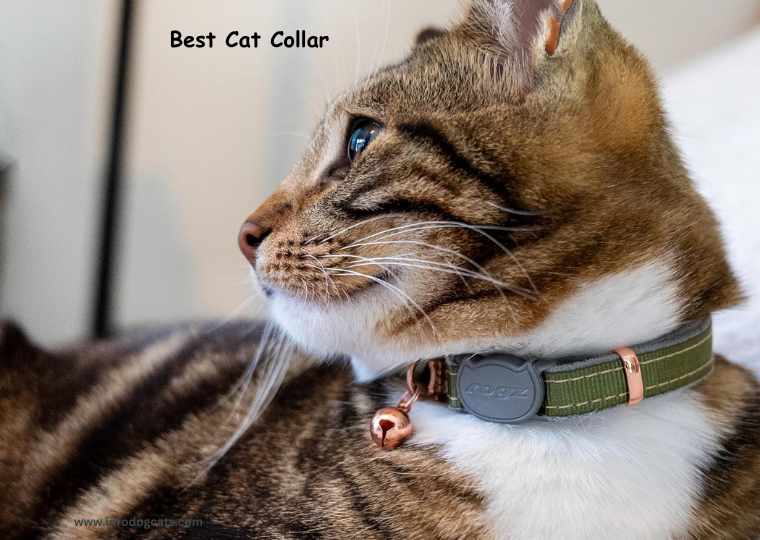
A collar with an ID tag is the fastest way for a lost cat to get home, but it has to be the right kind. Here's what research says about collar safety, why breakaway collars are recommended, how to fit one, and what bells, trackers and flea collars can and can't do.
A collar with an ID tag is the quickest way for a neighbour to see that a cat has a home, and to get a lost cat back to its owner. But a collar that doesn't fit, or doesn't release when it catches on something, can be dangerous. Choosing the right kind and fitting it properly makes all the difference.
Advertisement
This guide covers whether your cat needs a collar, how safe collars are, the different types, how to fit a collar, ID tags and microchips, bells and wildlife, GPS trackers, flea collars, and how to get a cat used to wearing one.
Does my cat need a collar?
In Australia, the legal form of identification for cats is a microchip, and microchipping is compulsory in almost every state and territory. A collar isn't usually required by law, although Western Australia requires registered cats to wear their registration tag when they're in a public place. Check your council's rules.
Even where it isn't required, a collar is useful:
- It shows the cat is owned. A neighbour who sees a collar is less likely to assume a cat is a stray.
- It's faster than a microchip. Anyone can read a tag and phone you. A microchip needs a scanner at a vet, shelter or council.
- It helps indoor cats too. Indoor cats sometimes escape, and they're often frightened and hard to find. A collar with your phone number can get them home faster.
A collar should always be a backup to a microchip, not a replacement. Collars can come off, and only the microchip is permanent. Keep your microchip details up to date. See our guide to cat laws in Australia.
Are collars safe for cats?
Collar injuries happen, but research suggests they're uncommon.
In a 2010 study published in the Journal of the American Veterinary Medical Association, Linda Lord and colleagues fitted collars to 538 pet cats and followed them for six months. They found:
- 72.7% of the cats wore their collars successfully for the whole six months.
- 3.3% of the cats caught a front leg in the collar, or caught the collar on an object or in their mouth.
- Of 478 microchips scanned at the end of the study, 477 were working, which supports microchips as a reliable backup.
A 2013 study of collar-mounted devices in the journal Animal Welfare found that collar injuries and deaths were rare. Vets surveyed for the study reported seeing, on average, about one collar injury every 2.3 years of practice.
So collars are generally safe, but the risks are real enough that choosing the right collar and fitting it correctly matters.
The main risks
- A leg caught through the collar. A cat can get a front leg through a loose collar while grooming or climbing. Left in place, the collar can cut into the skin of the armpit.
- Catching on objects. A collar can snag on a branch, fence or furniture.
- Catching in the mouth. A cat can get its lower jaw caught under a loose collar while grooming.
- Rubbing and hair loss. A collar that's too tight, or worn for a long time, can rub the skin.
Types of cat collar
Breakaway (safety) collars
A breakaway collar has a buckle that's designed to pop open when the collar is pulled hard, for example if it catches on a branch. Vets and animal welfare organisations generally recommend breakaway collars for cats because they present the least risk of a cat being trapped or strangled.
The downside is that breakaway collars come off more often, so you may need to replace them now and then. That's a small price for safety. Choose a buckle that releases with a firm pull but doesn't fall off during normal activity.
Elastic collars
Elastic collars stretch so a cat can wriggle out of them. They were once common, but a stretched elastic collar can let a leg slip through and then dig in, and many lose their stretch over time. Most vets now prefer breakaway collars.
Buckle collars
Standard buckle collars, like dog collars, don't release. They're best used only for short, supervised periods, or not at all for cats that go outside or climb. Never use a buckle collar on an unsupervised cat that could snag it.
Reflective and light-up collars
Reflective strips or small lights make a cat easier to see at night. In Australia, cats should be kept in at night anyway in most areas, both for their own safety and for wildlife, but reflective collars can help if an indoor cat escapes after dark.
Personalised collars
Some collars have your phone number embroidered or printed on the band itself. They avoid a dangling tag, which some cats find annoying, and the details can't fall off.
How to fit a collar
- Two-finger rule. You should be able to slide two fingers comfortably between the collar and your cat's neck. Tight enough that it can't slip over the head, loose enough to be comfortable.
- Check after an hour or two. Collars often loosen as the cat moves. Recheck the fit soon after first fitting it.
- Check kittens often. Kittens grow fast. Check the fit every few days and adjust or replace the collar as needed.
- Check regularly for rubbing, hair loss or sores under the collar, especially in longhaired cats.
- Replace worn collars. Replace collars that are frayed, stretched or dirty, or if the breakaway buckle no longer releases properly.
ID tags and microchips
A good ID tag includes your mobile phone number. Some owners also add "I'm microchipped" or a note such as "indoor cat, please call". Avoid putting your full address on the tag.
Choose a lightweight tag. Small, flat tags or slide-on tags that sit on the collar are lighter and quieter than large dangling tags. Some tags have a QR code that links to an online profile with your contact details, which is useful as long as you keep it updated.
Your cat's microchip is its permanent, legal identification. Make sure the details on the microchip registry are in your name and up to date, especially after you move house or change phone numbers.
Bells and wildlife
Cats are efficient hunters, and Australia's native wildlife pays a high price. Each roaming pet cat kills an estimated 110 native animals a year. See our guide to feral cats in Australia.
Do bells work?
Advertisement
The evidence is mixed, but several studies found that bells reduce the number of animals cats catch:
- UK, 2002. In a randomised study by Graeme Ruxton and colleagues, cats brought home 82 mammals while wearing bells, compared with 167 without, and 26 birds compared with 48.
- UK, 2005. In a study by Nelson and colleagues, cats with a collar and bell returned 41% fewer birds than cats with a plain collar. A second trial in the same study found no significant effect.
- Collar covers. In a 2019 study of 19 cats, a brightly coloured fabric collar cover reduced the number of birds killed by 78%.
Other studies have found little effect, and cats may learn to hunt more quietly. A bell or a bright collar cover may reduce hunting, but it won't stop it.
The best way to protect wildlife
The only reliable way to stop a cat hunting is to keep it indoors, or in a secure enclosure. That's increasingly a legal requirement in Australia anyway. See our guide to cat enclosures and catios.
Are bells bad for cats?
There's little evidence that a small bell distresses most cats, but some cats are bothered by the noise. Choose a small bell, and remove it if your cat seems unsettled.
GPS trackers and smart collars
GPS trackers attach to a collar and show your cat's location on your phone. Bluetooth tags only work within a short range. Points to consider:
- Weight. Choose a tracker light enough for your cat to carry comfortably. A heavy tracker can pull a collar loose or bother the cat.
- Battery life. Many need charging every few days.
- Subscription costs. Most GPS trackers need a monthly plan.
- Breakaway collar. Attach the tracker to a breakaway collar, accepting that you may lose it if the collar releases.
Trackers can help find an escaped cat, but they don't keep it safe. A contained cat is safer than a tracked one.
Flea and tick collars
Some collars release a medication that controls fleas or ticks. If you use one:
- Only use a product registered for cats. Never use a dog flea or tick collar on a cat. Many dog products contain permethrin, which is highly toxic to cats and can be fatal.
- Check the label for paralysis ticks. Few products are registered to protect cats against paralysis ticks. Ask your vet about the best option if you live on Australia's east coast.
- Fit carefully. Medicated collars should also release if they catch on something.
See our guide to flea treatment for cats for other options.
Getting your cat used to a collar
Most cats get used to a collar within a few days if it's introduced gently.
- Let your cat sniff the collar, and leave it near its bed for a day so it smells familiar.
- Put it on just before a meal or a play session, so your cat is distracted.
- Leave it on for short periods at first, then gradually longer.
- Reward calm behaviour with treats and praise.
- Expect some scratching at the collar at first. If your cat is still trying hard to remove it after a few days, check the fit and try a lighter collar.
Kittens usually accept collars more easily than adult cats, so it's worth starting early. If you'd like to take your cat outside on a lead, use a harness, never a collar. See our guide to cat harnesses.
If your cat goes missing
A collar and microchip only help if people can act on them. If your cat goes missing:
- Search close to home first. Frightened cats usually hide nearby, under houses, in sheds and garages, or in dense garden beds. Search quietly at dawn and dusk, and call your cat's name.
- Contact your council, local vets and shelters, and give them your cat's description and microchip number. Check pound and shelter listings regularly, and visit in person if you can.
- Update the microchip registry to show your cat as lost, and check your contact details are correct.
- Ask neighbours to check their sheds and garages, and put up notices with a clear photo.
- Post in local lost pet groups online.
When your cat comes home, check its collar fit and tag before it goes out again.
When a collar isn't a good idea
- Cats with skin problems around the neck, or that keep losing collars and getting tangled.
- Cats that are extremely distressed by wearing one.
- Cats recovering from surgery, or wearing a medical cone, unless your vet says otherwise.
In these cases, rely on the microchip, keep your details up to date, and keep your cat contained.
Frequently asked questions
What is the safest type of collar for a cat?
A breakaway collar, fitted with two fingers' space, is generally recommended by vets and animal welfare organisations, because it releases if it catches on something.
Should indoor cats wear collars?
It's a good idea. Indoor cats sometimes escape, and a collar with your phone number helps people get them home quickly. Keep the microchip details up to date too.
How tight should a cat collar be?
You should be able to fit two fingers between the collar and your cat's neck. Check again after the first hour or two, and often in growing kittens.
Can a cat wear a collar all the time?
Many cats do, with a well-fitted breakaway collar. Check the fit and the skin underneath regularly, and replace the collar if it wears out.
Do bells on collars stop cats hunting?
They may reduce the number of animals caught, but they don't stop hunting, and the evidence is mixed. Keeping your cat indoors or in an enclosure is the only reliable way to protect wildlife.
At what age can a kitten wear a collar?
Kittens can wear lightweight breakaway collars once they're settled in their new home. Check the fit every few days, as they grow quickly.
Advertisement