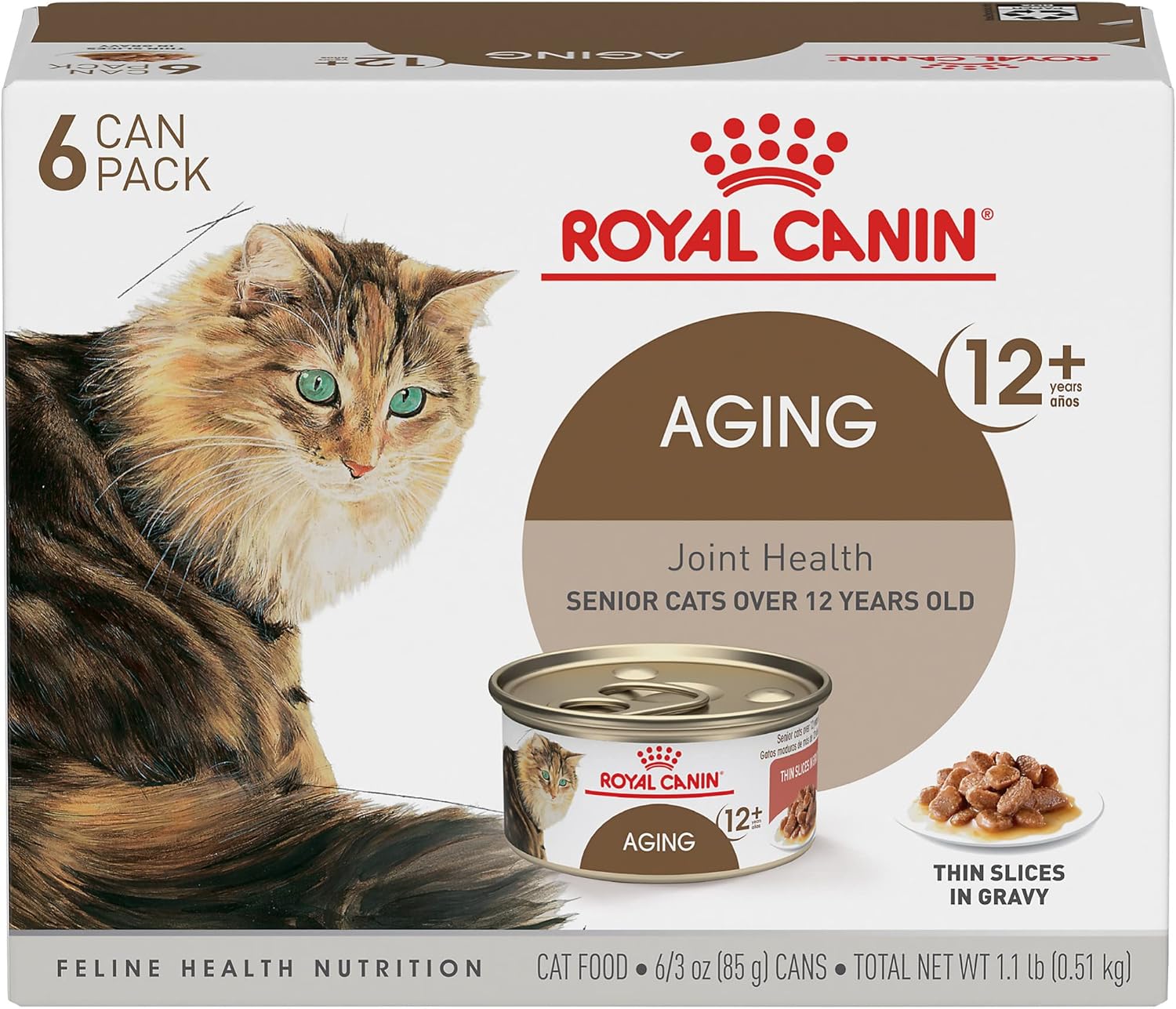
Wet food helps keep cats hydrated, but not every tin or pouch is a complete meal. Here's how to read an Australian cat food label, the difference between complete and complementary food, which wet foods suit kittens, adults and seniors, the brands you'll find, and the pet mince warning every owner should know.
Walk down the pet food aisle of any Australian supermarket and you'll find dozens of wet cat foods: tins, pouches, trays, pâtés, chunks in gravy, mousses and jellies. Prices vary enormously, and so does what's actually inside.
Advertisement
There's no single best wet cat food for every cat. The right one is complete and balanced, suits your cat's age and health, and is one your cat will actually eat. This article explains why wet food is useful, how to read the label, the difference between complete and complementary foods, the brands you'll commonly find in Australia, a warning about pet mince, and how to feed and switch foods safely.
Why feed wet food?
Cats are strict carnivores. In the wild, they get much of the water they need from their prey, and many cats don't drink much from a bowl. Wet food is mostly water, while dry food contains very little.
That extra moisture matters. A diet high in moisture helps dilute a cat's urine and increases how often it urinates, which makes the urine less likely to form crystals. That's why vets often recommend wet food for cats with a history of urinary problems, and for cats that don't drink much. Our article on why cats don't drink much water has more ideas for keeping your cat hydrated.
Wet food also has other advantages:
- It's often more appealing to fussy, older or unwell cats.
- It's easier to eat for cats with dental problems or missing teeth.
- It's less energy-dense per bite than dry food, which can help with weight control.
Wet food doesn't have to be the whole diet. Many cats do well on a mix of wet and dry food. If your cat has a medical condition, ask your vet which balance is right.
Complete or complementary? The most important label
The single most important thing on a cat food label is whether the food is complete and balanced or complementary.
- Complete and balanced food contains all the nutrients a cat needs for the life stage stated on the label. It can be fed as the cat's only food.
- Complementary foods, sometimes labelled "for intermittent or supplemental feeding", treats or toppers, don't contain everything a cat needs. They're designed to be fed alongside a complete food.
Many wet foods sold in Australia are complementary, and some brands sell both complete and complementary lines that look very similar. Some Applaws wet foods, for example, are labelled as complementary, although the brand also sells complete ranges. Check the label on the exact product, not just the brand. Feeding a complementary food as your cat's main diet can lead to nutritional deficiencies over time.
In Australia, pet food is made and labelled under the Australian Standard AS 5812. Following it is voluntary, but members of the Pet Food Industry Association of Australia (PFIAA) are independently audited against it. Under the standard's labelling guidance, a food that isn't complete and balanced should say it's for intermittent or supplemental feeding, or be labelled as a treat or supplement.
How to read a wet cat food label
Look for:
- The nutritional adequacy statement. This tells you whether the food is complete and balanced, and for which life stage: growth (kittens), adult maintenance, or all life stages.
- The life stage. Kitten food has more energy and nutrients for growth. Foods for "all life stages" are suitable for kittens too.
- The ingredient list. Look for named animal proteins, such as chicken, beef, kangaroo, lamb or fish, near the top.
- The guaranteed analysis. This shows minimum protein and fat, and maximum fibre and moisture. Comparing wet and dry foods by these numbers is misleading, because water dilutes everything in wet food.
- The feeding guide. A starting point for how much to feed, based on weight.
- The manufacturer's details, so you can contact them with questions.
Don't rely on marketing words such as "natural", "gourmet", "premium", "human-grade" or "grain-free". They don't tell you whether a food is complete, and grain-free isn't automatically better for cats.
Questions worth asking a pet food company
The World Small Animal Veterinary Association (WSAVA) suggests owners ask pet food companies questions like these:
- Do you employ a qualified nutritionist, and who formulates your foods?
- Are your foods tested with feeding trials, or formulated to meet nutrient profiles?
- What quality control do you use for ingredients and finished products?
- Can you provide the full nutrient analysis for a product, not just the label?
- Do you publish research in peer-reviewed journals?
A good company will answer these clearly. WSAVA doesn't endorse particular brands.
Wet food textures
Cats can be particular about texture, and many have a strong preference.
- Pâté or loaf: smooth and dense. Easy for kittens, older cats and cats with dental problems.
- Mince: a finely chopped texture between pâté and chunks.
- Chunks in gravy: meaty pieces in sauce. Some cats lick off the gravy and leave the chunks.
- Chunks in jelly: similar, with a jelly instead of gravy.
- Mousse: very soft and smooth. Good for kittens and cats that are recovering from illness.
- Shreds and flakes: often fish-based, and often complementary rather than complete.
If your cat won't eat a food, try a different texture before giving up on the brand.
Wet food for kittens, adults and seniors
Kittens
Kittens need food labelled for growth or for all life stages. They grow fast, have small stomachs and need several small meals a day. Wet food is easy for them to eat, and it helps them get used to textures early. Our article on the best wet food for Maine Coon kittens has more on feeding kittens of a large breed.
Adult cats
Most adult cats do well on a complete adult or all-life-stage food. Watch your cat's weight: indoor and desexed cats need fewer calories, and it's easy to overfeed with wet food that comes in fixed portions.
Senior cats
Older cats often have reduced appetite, dental disease, kidney disease or other conditions. Highly palatable wet food can help them eat enough. Some senior cats need a prescription diet from the vet, such as a kidney diet. Regular weigh-ins and vet checks matter more as cats age.
Wet food for special needs
Advertisement
- Urinary problems: vets may prescribe a urinary diet, often in wet form, to help prevent crystals and stones. See cats peeing outside the litter tray for urinary warning signs.
- Weight control: weight-management foods and careful portioning. Weigh your cat regularly.
- Diabetes: your vet may recommend a low-carbohydrate diet, and diet changes need vet supervision because they can change how much insulin a cat needs. Our article on low-carb food for diabetic cats covers this.
- Vomiting and sensitive stomachs: see cat food for cats that vomit.
- Suspected food allergy: the only reliable way to diagnose a food allergy in cats is an elimination diet trial, usually for at least eight weeks, using a hydrolysed-protein diet or a protein the cat has never eaten before. Blood, hair and saliva tests aren't reliable for this. Your vet will guide the trial.
Wet food brands you'll find in Australia
You'll find wet cat food in supermarkets, pet stores, online and at vet clinics. Common names include:
- Supermarket brands such as Whiskas and Felix. See our reviews of Whiskas and Felix.
- Pet store brands with wider ranges, including Applaws (check whether each product is complete or complementary; see our Applaws review), Royal Canin, Hill's and Purina's premium ranges.
- Prescription diets from Royal Canin, Hill's and Purina, sold through vet clinics for specific medical conditions.
Rather than choosing by brand alone, choose a product that is complete and balanced for your cat's life stage, that your cat eats well, and that keeps it at a healthy weight. For a wider look at dry and wet brands, see the best cat food brands in Australia.
A warning about pet mince and pet meat
Raw "pet mince" and pet meat rolls sold in Australian supermarkets and butchers can contain sulphite preservatives. Sulphites destroy thiamine (vitamin B1), and cats fed these products can develop thiamine deficiency, which affects the nervous system and can be fatal. Signs include dilated pupils, weakness of the neck causing head bobbing, wobbliness and seizures.
RSPCA Australia has raised concerns that raw pet meat isn't covered by the same thiamine requirement that applies to pet food made under AS 5812. Check the label for preservatives 220 to 225 and 228, and if your cat eats pet meat and shows any of these signs, see a vet urgently.
How much wet food to feed
Start with the feeding guide on the label, then adjust to your cat's body condition. You should be able to feel your cat's ribs easily under a thin layer of fat, and see a waist from above. Weigh your cat every month or two, and adjust portions if it's gaining or losing weight. If you feed both wet and dry food, reduce each so the total stays right.
Treats count too. Veterinary guidelines suggest treats should make up no more than 10% of a cat's daily calories. Our guide on how often to feed your cat covers portions and routines.
Storing and serving wet food
- Serve at room temperature. Cold food straight from the fridge smells less appealing to cats.
- Don't leave wet food out all day, especially in warm weather. Remove and throw away what isn't eaten after a few hours, and sooner on hot days.
- Cover and refrigerate opened tins and trays, and use them within the time on the label.
- Wash bowls after every wet meal.
- Use a wide, shallow dish. Many cats prefer one that doesn't press against their whiskers.
Feeding wet food on a budget
Wet food costs more per day than dry food, but there are ways to keep the cost down without cutting corners on nutrition:
- Compare the cost per day, not per tin. Work out how many tins or pouches your cat needs a day from the feeding guide, then compare. A cheaper pouch that's complementary, or that your cat needs more of, may cost more in the end.
- Choose larger tins of a complete food if your cat is happy to eat from the fridge over a day or two, and store them properly.
- Mix wet and dry. Feeding one wet meal and measured dry food for the rest keeps some of the moisture benefit at a lower cost.
- Cut waste. Serve smaller portions more often so less ends up in the bin.
- Stock up on specials of foods your cat already eats, checking the use-by dates.
Switching to a new wet food
Change foods gradually so your cat's stomach can adjust and it's less likely to refuse the new food. A common approach is to mix the new food in over 7 to 10 days, increasing the new food and decreasing the old food every few days. For sensitive cats, take longer. Some vets suggest offering the new food in a separate bowl next to the old one, rather than mixing them.
If your cat vomits, has diarrhoea or stops eating during the change, slow down and talk to your vet. Never let a cat go without eating for more than a day.
Frequently asked questions
Is wet food better than dry food for cats?
Neither is automatically better. Wet food provides much more water, which helps with urinary health and hydration. Dry food is convenient and economical. Many cats do well on a mix. What matters most is that the food is complete and balanced and your cat stays a healthy weight.
How do I know if a wet cat food is complete?
Read the label. A complete food will say it's "complete and balanced" for a life stage. Complementary foods should say they're for intermittent or supplemental feeding, or be labelled as treats or toppers.
Can kittens eat adult wet food?
Kittens need food labelled for growth or for all life stages. Adult maintenance food may not have enough energy and nutrients for a growing kitten.
Is supermarket wet food okay?
Many supermarket foods are complete and balanced and perfectly adequate. Check the label for the complete and balanced statement and the life stage, and watch how your cat does on it.
Is pet mince safe for cats?
Raw pet mince and pet meat can contain sulphite preservatives that destroy thiamine, which can cause a serious, sometimes fatal deficiency in cats. Avoid products containing preservatives 220 to 225 or 228.
How long can wet cat food be left out?
Not all day. Throw away uneaten wet food after a few hours, and sooner in hot weather.
Advertisement