Australian shelves are full of cat food brands, from supermarket staples to vet-only diets. Here's how to tell a good food from clever marketing: what 'complete and balanced' means, the Australian standard, questions to ask manufacturers, dry versus wet, raw and homemade diets, and foods that are toxic to cats.
Choosing a cat food in Australia means wading through a lot of choice: supermarket brands, premium pet store ranges, imported foods, local brands and prescription diets from the vet. Packaging is full of words like "natural", "holistic", "grain-free" and "vet recommended", and prices range from cheap to very expensive.
Advertisement
The best cat food for your cat is complete and balanced for its life stage, made by a company that can back up its claims, and keeps your cat healthy, at a good weight and keen to eat. This article explains how to judge a cat food and a cat food company, the brands you'll commonly see in Australia, when a prescription diet makes sense, the risks of raw and homemade diets, and foods cats must never eat.
What cats need from their food
Cats are obligate carnivores. Their bodies are built to get nutrients from animal tissue, and they need some nutrients that only meat and fish provide in useful amounts.
The best-known example is taurine, an amino acid cats can't make enough of themselves. Without enough taurine, cats can develop dilated cardiomyopathy, a serious heart disease, and a retinal degeneration that leads to blindness. Taurine deficiency is now uncommon because commercial cat foods contain enough of it. It's one reason cats can't safely be fed a vegetarian diet, or homemade food that hasn't been properly balanced.
Beyond that, cats need the right balance of protein, fat, vitamins and minerals for their life stage. That's what "complete and balanced" is meant to guarantee.
"Complete and balanced" is the label that matters most
A complete and balanced food contains all the nutrients a cat needs for the life stage on the label: growth (kittens), adult maintenance, or all life stages. It can be fed as the cat's only food.
A complementary food, treat or topper doesn't. It's meant to be fed alongside a complete diet. Some wet foods that look like full meals are complementary, so check the label of each product, not just the brand.
In Australia, pet food is made and labelled under the Australian Standard AS 5812. Following the standard is voluntary, but members of the Pet Food Industry Association of Australia (PFIAA) are independently audited against it. The standard is designed to line up with the main pet food standards used in Europe and the United States. Under its labelling guidance, a food that isn't complete and balanced should say it's for intermittent or supplemental feeding, or be labelled as a treat or supplement.
How to judge a cat food company
Packaging tells you very little about how well a food is made. The World Small Animal Veterinary Association (WSAVA) suggests asking pet food companies questions such as:
- Do you employ a qualified nutritionist? Who formulates your foods, and what are their qualifications?
- How are your foods tested? Are they put through feeding trials, or formulated to meet nutrient profiles?
- What quality control do you use for ingredients and finished products?
- Can you give me the full nutrient analysis of a product, beyond the label?
- Do you carry out and publish research?
A good company answers clearly and quickly. WSAVA doesn't endorse or approve particular brands, so be wary of marketing that implies it does.
Marketing words that don't mean much
- "Natural", "holistic", "premium", "gourmet": mostly marketing. They don't tell you whether a food is complete.
- "Human-grade": describes how ingredients were handled, not whether the food is balanced.
- "Grain-free": not automatically better. Grain-free foods usually replace grains with other carbohydrates, such as potato or peas.
- "Vet recommended": ask which vets, and why.
Dry, wet or both?
Both dry and wet foods can be complete and balanced. Each has strengths:
| Dry food | Wet food | |
|---|---|---|
| Water content | Low | High |
| Cost per day | Usually lower | Usually higher |
| Convenience | Easy to store and measure | Needs refrigeration once opened |
| Calories per bite | High | Lower, because of the water |
| Good for | Puzzle feeders, measured portions | Hydration, urinary health, fussy or older cats |
A diet high in moisture helps dilute a cat's urine, which makes urinary crystals less likely. That's why vets often recommend wet food for cats with urinary problems or cats that drink very little. Many owners feed a mix: a wet meal or two plus measured dry food.
For wet food in detail, see the best wet cat food in Australia. For dry food for indoor cats, see the best dry cat food brands for indoor cats.
Cat food brands you'll find in Australia
Rather than rank brands, it's more useful to know what's available where, and then judge each product on the points above.
Supermarket brands
Major supermarkets stock well-known brands such as Whiskas, Felix and Purina's supermarket ranges, plus supermarket own brands. Many of these foods are complete and balanced and adequate for healthy adult cats. Check each product's label. See our reviews of Whiskas and Felix.
Pet store and online brands
Pet stores and online retailers carry wider ranges, including Royal Canin, Hill's Science Diet, Purina Pro Plan, Advance, Applaws and many others, some made in Australia and some imported. Our reviews of Applaws and Purina Beyond look at two of these more closely.
Prescription diets from the vet
Vet clinics sell prescription diets from companies such as Hill's, Royal Canin and Purina. These are made for specific medical conditions: kidney disease, urinary stones and crystals, food allergies, diabetes, weight loss, gut problems and more. They should be used on your vet's advice, because a diet that helps one condition can be wrong for a healthy cat. Our review of Hill's z/d for food sensitivities is one example.
Choosing food for your cat's life stage and needs
Advertisement
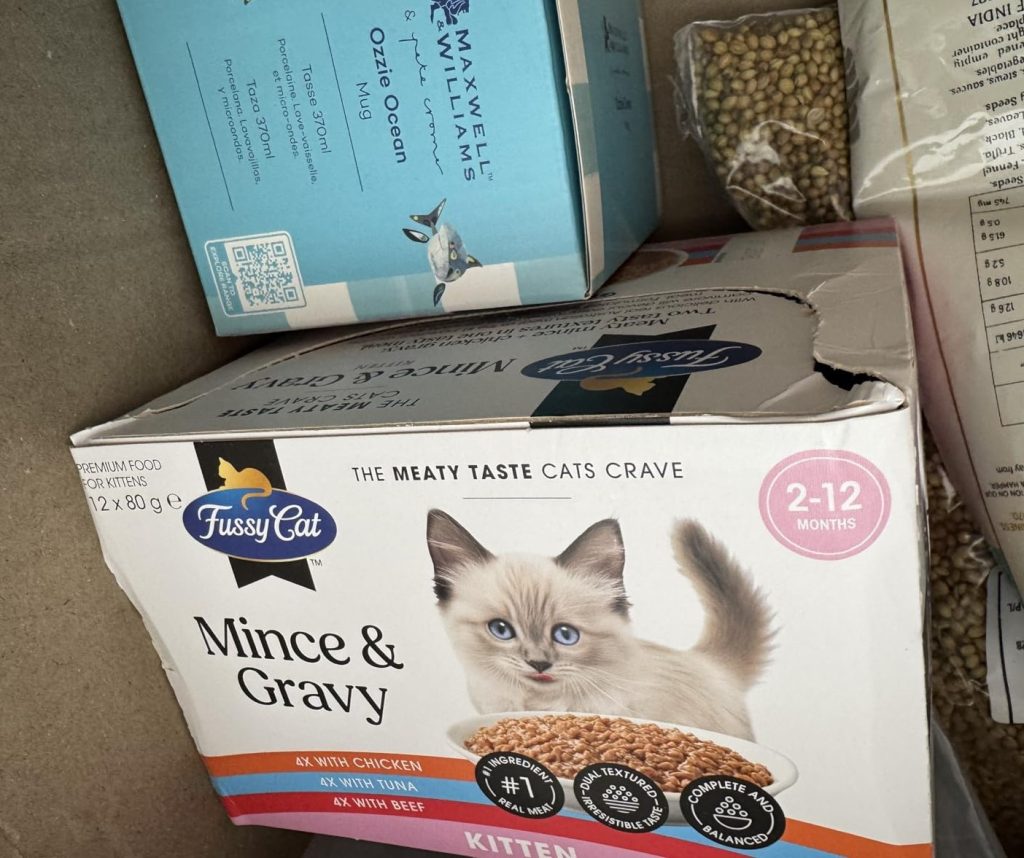
- Kittens need food labelled for growth or for all life stages, fed in several small meals a day.
- Adult cats need an adult maintenance or all-life-stage food. Indoor and desexed cats need fewer calories, so watch their weight.
- Senior cats often need food that's easy to eat and highly palatable, and some need prescription diets for kidney or other disease. Regular vet checks become more important.
- Overweight cats need measured portions and often a weight-management food. Weigh your cat every month or two.
- Cats with a suspected food allergy need a proper elimination diet trial with your vet, usually for at least eight weeks, using a hydrolysed-protein or novel-protein diet. Blood, hair and saliva allergy tests aren't reliable for this.
- Cats that vomit often should see a vet. Our article on cat food for cats that vomit covers diet changes that can help.
- Diabetic cats need a diet plan from the vet. See low-carb food for diabetic cats.
Raw food diets
Raw feeding is popular, but it carries real risks. US and Canadian veterinary and public health bodies, including the CDC, the FDA and the Canadian Veterinary Medical Association, consider raw diets potentially dangerous for cats, other pets and people. The main concerns are bacteria such as Salmonella and Listeria, which can make cats and people sick even when the cat seems healthy, nutritional imbalances, and bones that can break teeth or block the gut.
In Australia there's an extra risk. Raw pet mince and pet meat rolls can contain sulphite preservatives, which destroy thiamine (vitamin B1). Cats fed these products can develop thiamine deficiency, which affects the nervous system and can be fatal. RSPCA Australia has raised concerns that raw pet meat isn't covered by the same thiamine requirement that applies to pet food made under AS 5812. Check labels for preservatives 220 to 225 and 228.
If you want to feed raw food, choose a commercial raw diet that's labelled complete and balanced, handle it as carefully as raw meat for people, and talk to your vet first.
Homemade food
Home-cooked meals for cats are very hard to balance. It's easy to leave out nutrients such as taurine, calcium and some vitamins, and the effects of a deficiency may not show for months. If you want to cook for your cat, get a recipe from a veterinary nutritionist, and use it exactly. Our article on homemade cat food recipes explains how to do it safely.
Foods cats must never eat
RSPCA Australia and Agriculture Victoria list several human foods as dangerous for cats:
- Onions, garlic, chives and leeks, in any form, including powders. They damage red blood cells and can cause anaemia.
- Grapes, raisins and sultanas, which can cause kidney failure.
- Chocolate, which contains theobromine and can cause a dangerously fast or irregular heartbeat.
- Caffeine, in coffee, tea, energy drinks and some medicines.
- Tomatoes, which RSPCA Australia lists as a concern for cats.
Lilies aren't food, but they're one of the most serious poisoning risks for cats. Every part of the plant is toxic, including the pollen and the water in a vase. Even a small amount can cause kidney failure. If you think your cat has eaten something toxic, call your vet straight away.
Treats and portions
Treats should make up no more than 10% of a cat's daily calories, according to veterinary nutrition guidelines. The rest should come from a complete and balanced food.
Start with the feeding guide on the pack, then adjust for your cat's body condition. You should be able to feel the ribs easily under a thin layer of fat and see a waist from above. Our article on how often to feed your cat covers portions and routines, and why your cat is always hungry covers cats that never seem satisfied.
How to tell if a food suits your cat
Once your cat has been on a food for a month or two, look at:
- Weight and shape. Ribs easy to feel, a visible waist, and a stable weight on the scales.
- Appetite. Eats its meals readily without begging constantly between them.
- Coat and skin. A clean, glossy coat without dandruff, greasiness or bald patches.
- Litter tray. Firm, well-formed stools, and urine in normal amounts.
- Energy. Normal activity and interest in play for its age.
If your cat is losing or gaining weight, vomiting often, has loose stools, a dull coat or itchy skin, or seems flat, talk to your vet before changing food again. Switching foods repeatedly can make problems harder to pin down.
Switching foods
Change foods gradually, usually over 7 to 10 days, mixing in more of the new food and less of the old every couple of days. Sensitive cats may need longer, and some vets suggest offering the new food in a separate bowl beside the old one rather than mixing. If your cat vomits, has diarrhoea or stops eating, slow down and call your vet.
Frequently asked questions
What is the best cat food brand in Australia?
There isn't one best brand for every cat. Choose a food that's complete and balanced for your cat's life stage, from a company that can answer questions about nutritionists, testing and quality control, and that keeps your cat healthy and at a good weight.
Are supermarket cat foods bad?
Not necessarily. Many supermarket foods are complete and balanced. Check the label, and judge the food by how your cat does on it.
Do vets recommend particular brands?
Vets often stock and recommend foods from companies that employ nutritionists and do feeding research, and they prescribe special diets for medical conditions. Ask your vet what they recommend for your cat and why.
Is grain-free cat food better?
Not automatically. Grain-free foods usually just swap grains for other carbohydrates. Choose a food for its overall quality and whether it's complete and balanced, not for what it leaves out.
Can cats be vegetarian?
No. Cats need nutrients such as taurine that come from animal tissue. A vegetarian diet can cause serious heart and eye disease.
Is expensive cat food better?
Not necessarily. Price often reflects branding, packaging and ingredients chosen for appeal to owners. A mid-priced complete and balanced food from a company that employs nutritionists and tests its foods can be a better choice than an expensive boutique brand.
Is raw food good for cats?
Raw diets carry risks of harmful bacteria and nutritional imbalance, and Australian pet meat can contain sulphite preservatives that cause thiamine deficiency. Talk to your vet before feeding raw.
Advertisement