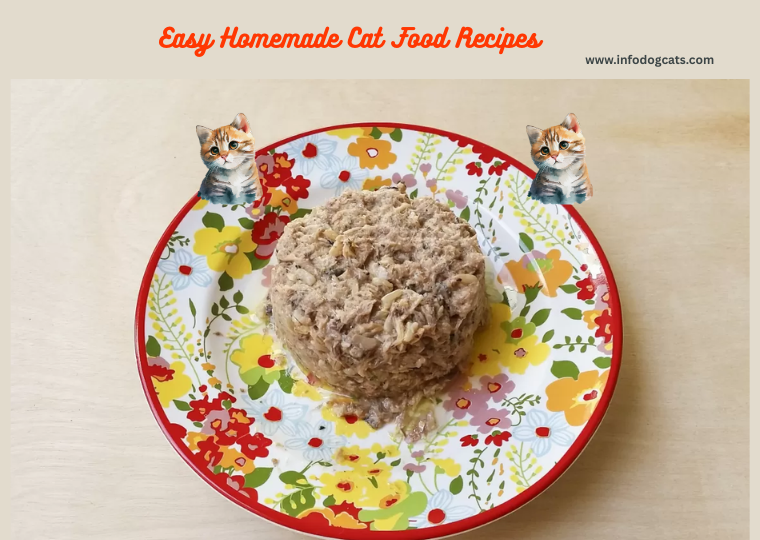
Cooking for your cat can be a lovely way to add variety, but most homemade cat food recipes are missing essential nutrients. Here are simple recipes that are safe as toppers and treats, how to get a complete homemade diet formulated properly, and the ingredients to keep out of the bowl.
Plenty of Australian cat owners like the idea of cooking for their cat. You know exactly what goes into the bowl, you can use fresh meat, and many cats are thrilled by a bit of warm chicken. Homemade food can absolutely have a place in a cat's diet.
Advertisement
The catch is that a cat's nutritional needs are very specific, and getting them right at home is much harder than most recipes make it look. This article covers what cats need, why most published recipes fall short, simple homemade toppers and treats that are safe to feed alongside a complete diet, how to get a full homemade diet formulated properly, and the ingredients that must never go near your cat's bowl.
What a cat needs from its food
Cats are obligate carnivores. Their bodies are built to get nutrients from animal tissue, and they need some nutrients that only meat, fish and other animal products provide in useful amounts.
The best-known example is taurine, an amino acid cats can't make enough of themselves. A diet short of taurine can cause dilated cardiomyopathy, a serious heart disease, and a retinal degeneration that leads to blindness. The heart damage can improve once taurine is restored, but the eye damage can't be reversed. Taurine deficiency is uncommon today because commercial cat foods contain enough of it, but it's a real risk with homemade food.
Taurine is only one item on a long list. A cat's diet also has to supply the right amounts of protein and fat, vitamins A, D and E, the B vitamins, essential fatty acids, and minerals including calcium, phosphorus, zinc, copper and iodine. Too little of some of these causes deficiency disease. Too much of others, such as vitamin A or vitamin D, is toxic.
A commercial food labelled complete and balanced has been formulated to meet all of these needs for a life stage. In Australia, pet food is made and labelled under the Australian Standard AS 5812. Following the standard is voluntary, but members of the Pet Food Industry Association of Australia are audited against it. When you cook at home, you take on the job that standard does.
Why most homemade cat food recipes fall short
In 2019, a team of veterinary nutritionists at the University of California, Davis analysed 114 recipes for home-prepared cat food. The recipes came from books and websites, and some were written by veterinarians. None of them provided every essential nutrient at the recommended levels. Many gave vague or no feeding instructions, and some included ingredients that are unsafe for cats, such as garlic, onion and leek.
The problems tend to be the same ones again and again:
- Not enough calcium. Muscle meat contains far more phosphorus than calcium. A diet that is mostly meat, without bone or a measured calcium source, ends up with a badly skewed calcium-to-phosphorus ratio. Over time this can weaken bones, especially in growing kittens.
- Missing vitamins and trace minerals. Vitamin E, vitamin D, iodine, zinc and some B vitamins are hard to supply in the right amounts from ordinary ingredients.
- Too much liver. Liver is rich in vitamin A, which cats store rather than excrete. Diets heavy in liver have caused vitamin A toxicity in cats, with painful bony growths on the neck and spine that can leave a cat stiff or lame.
- Guesswork with supplements. A teaspoon of crushed eggshell or a capsule of fish oil sounds precise, but whether it's the right amount depends on the rest of the recipe and on the size of the cat.
- Recipes drift. Even a well-formulated recipe stops being balanced if you swap the meat, skip the supplement or "add a bit more chicken" because your cat likes it.
The meatloaf recipes popular online show how this happens. A mix of beef, turkey, chicken organs and sardines can sound nutritious, and sardines do add omega-3 fats. But without a measured calcium source and a feline vitamin and mineral supplement, a recipe like that is not complete. It's fine as an occasional treat, but not as your cat's only food.
None of this means homemade food is off the table. It means there are two safe ways to do it: keep homemade food as a small extra alongside a complete diet, or have a full homemade diet formulated for your cat by someone qualified to do it.
Option 1: homemade toppers and treats
The simplest way to cook for your cat is to keep a complete and balanced commercial food as the main diet, and add a little homemade food on top or between meals. Treats and extras of any kind should make up no more than about 10% of your cat's daily calories. At that level, they won't unbalance a complete diet.
Keep homemade extras plain. No salt, no seasoning, no onion or garlic, no sauces, and no cooked bones.
Recipe 1: poached chicken or turkey
The easiest homemade treat, and the one most cats love.
- Place a skinless chicken breast or thigh fillet, or a piece of turkey breast, in a small saucepan and cover it with cold water.
- Bring it to a gentle simmer and cook until the meat is cooked through, with no pink in the middle.
- Let it cool, then shred or dice it into small pieces.
- Offer a few pieces as a treat, or scatter a teaspoon or two over your cat's usual food.
Keep the cooking water. Once it's cooled, a spoonful over dry food makes it more appealing and adds a little extra water to your cat's diet. Store the meat and water covered in the fridge and use them within two days, or freeze them in small portions.
Recipe 2: frozen chicken broth cubes
A good way to tempt cats that don't drink much, especially in hot weather.
- After poaching chicken as above, strain the cooking water and let it cool completely.
- Skim off most of the fat.
- Pour it into an ice cube tray and freeze.
- Drop a cube into your cat's water bowl, or thaw one and pour it over a meal.
Don't use stock cubes, supermarket stock or broth made for people. They almost always contain salt, and many contain onion or garlic.
Recipe 3: plain cooked fish
- Steam, poach or bake a boneless fillet of white fish or salmon, with no oil, butter or seasoning.
- Let it cool and check carefully for bones as you flake it.
- Offer a small amount as a treat or topper.
Always cook fish for cats. Some raw fish, including carp and herring, contains an enzyme called thiaminase that destroys thiamine (vitamin B1). Cats fed raw fish regularly can develop thiamine deficiency, which causes neurological signs such as wobbliness, seizures and blindness. Cooking destroys the enzyme.
Recipe 4: plain cooked egg
- Scramble or hard-boil an egg with no milk, butter, oil or salt.
- Let it cool and chop it finely.
- Offer a teaspoon as a treat or mix it into your cat's food.
Egg is a good source of protein, but it isn't a meal for a cat on its own.
Recipe 5: simple meat bites for training and enrichment
- Cut cooked, plain chicken, turkey or lean beef into pieces about the size of a pea.
- Freeze them flat on a tray, then store them in a container in the freezer.
- Use a few at a time in a puzzle feeder, or hide them around the house for your cat to find.
Small pieces go a long way. A handful of tiny bites is plenty of reward for a cat, and keeps treats well within that 10% limit.
Option 2: a complete homemade diet formulated for your cat
If you want homemade food to be your cat's main diet, the safest approach is a recipe formulated specifically for your cat by a veterinary nutritionist. This is especially important for kittens, which are growing and need more calcium, energy and other nutrients than adults, and for cats with medical conditions such as kidney disease, diabetes or food allergies.
Start with your own vet. They can examine your cat, check whether there are health reasons to be careful, and refer you to a specialist in veterinary nutrition. Some specialists offer consultations remotely, and there are also formulation services run by veterinary nutritionists that produce a recipe and a matching supplement for your cat.
A properly formulated recipe will usually:
- list exact weights for each ingredient, not cups or "a handful"
- name specific cuts of meat, because fat content changes the calories and the balance
- include a calcium source and a vitamin and mineral supplement in precise amounts
- tell you exactly how much to feed each day for your cat's weight
- say which substitutions are allowed, if any
Follow it exactly. If your cat won't eat it, or you want to change an ingredient, go back to the nutritionist rather than improvising.
Expect to have your cat weighed and checked by your vet a few weeks after starting, and then regularly. Weight changes or blood test results may mean the recipe needs adjusting.
Advertisement
Making homemade cat food safely
Homemade cat food is fresh meat with no preservatives, so it spoils as quickly as the food you cook for yourself. Treat it the same way.
- Wash your hands, boards and knives after handling raw meat, and keep raw meat away from food that won't be cooked.
- Cook meat thoroughly. It kills bacteria and parasites, and it destroys the thiaminase in fish.
- Cool food quickly. Spread cooked meat out so it cools fast, then refrigerate it.
- Portion and freeze. Divide a batch into daily portions in sealed containers or silicone moulds. Keep two days' worth in the fridge and freeze the rest.
- Thaw in the fridge, not on the bench.
- Serve at room temperature. Many cats dislike food straight from the fridge. Take the portion out a little ahead of mealtime, or stand the container in warm water. Don't microwave it in a way that leaves hot spots.
- Don't leave it out. Throw away anything your cat hasn't eaten within an hour or so, and sooner in hot weather.
- Label containers with the date, and throw out anything that smells off or looks discoloured.
Raw diets, pet mince and bones
Some homemade recipes use raw meat. Raw feeding has enthusiastic supporters, but veterinary bodies including the US Centers for Disease Control and Prevention, the US Food and Drug Administration and the Canadian Veterinary Medical Association consider raw pet diets potentially dangerous. Raw meat can carry bacteria such as Salmonella and Listeria, which can make cats ill and can spread to the people in your home. That matters most in households with young children, older people, pregnant women or anyone with a weakened immune system.
If you do feed raw meat, use human-grade meat and the same hygiene you would use when preparing raw meat for yourself. Avoid pet mince and "pet meat" from the supermarket or butcher unless the label shows it is free of sulphite preservatives. Sulphites (numbers 220 to 225 and 228) destroy thiamine, and thiamine deficiency can be fatal in cats. Early signs include dilated pupils, weakness and an unusual downward bend of the neck, and it can progress to seizures.
Never give cooked bones of any kind. Cooking makes bones brittle, and they can splinter into sharp pieces that damage the mouth, throat or intestines or cause a blockage. Some raw feeders use raw bones. Talk to your vet before offering any bones, because even raw bones can break teeth or cause obstructions.
Foods cats must never eat
These are dangerous for cats in any form, cooked or raw, and are a common hidden ingredient in human food and leftovers:
- Onion, garlic, chives and leeks, including powders and dried forms. They damage red blood cells and can cause anaemia. Watch for them in stock, gravy, sausages and pasta sauce.
- Grapes, raisins and sultanas. They can cause kidney failure.
- Chocolate, which contains theobromine, and caffeine in coffee, tea and energy drinks.
- Alcohol in any amount.
- Raw dough containing yeast.
- Cooked bones.
- Fatty scraps, such as ham, bacon fat and sausages, which are high in fat and salt.
- Lilies. Not a food, but worth knowing about if you cook with fresh flowers in the kitchen. Every part of a lily, including the pollen and the water in the vase, can cause kidney failure in cats.
Switching your cat to homemade food
Cats are cautious about new food, and a sudden change can cause vomiting or diarrhoea, or a cat that simply refuses to eat. Go slowly, both when you add a topper and when you move to a formulated homemade diet.
- Start with a small amount of the new food mixed into, or offered beside, your cat's usual food.
- Increase the new food and reduce the old food over 7 to 10 days, or longer for a sensitive cat.
- Warm the food slightly to room temperature to bring out the smell.
- Keep feeding times the same.
If your cat vomits, has diarrhoea or stops eating, slow down and talk to your vet. Never let a cat go without food for more than a day. Cats that stop eating, especially overweight cats, can develop a serious liver condition called hepatic lipidosis. Our guide to why a cat won't eat explains the common causes.
Is homemade cat food cheaper?
It can be, but often it isn't once it's done properly. Plain chicken from the supermarket is cheap, but a complete homemade diet also needs a feline supplement, specific cuts of meat, and usually a consultation with a veterinary nutritionist to formulate the recipe. Many owners find a good-quality commercial food with a few homemade extras is the best balance of cost, convenience and nutrition.
If cost is the main reason you're considering homemade food, our guide to the best cat food brands in Australia explains how to judge a commercial food by its label rather than its price. For wet food in particular, see our guide to the best wet cat food in Australia.
Homemade food for cats with health problems
Cats with medical conditions need extra care with diet, and homemade food should only be used under veterinary guidance.
- Kidney disease. Cats with chronic kidney disease often need a special diet, and getting that right at home needs a nutritionist's recipe.
- Diabetes. Diet is an important part of managing diabetes in cats, and any change can affect insulin needs. Talk to your vet before changing anything. Our article on low-carb cat food for diabetic cats covers the options.
- Vomiting or sensitive stomachs. A short spell of bland home-cooked food is sometimes suggested by vets, but ongoing vomiting needs a diagnosis first. See our guide to cat food for cats that vomit.
- Food allergies. Diagnosing a food allergy needs a strict elimination diet trial of at least eight weeks, using a prescription hydrolysed diet or a carefully chosen novel protein. Homemade elimination diets are possible but must be balanced if they're fed for that long.
Frequently asked questions
Can I feed my cat homemade food every day?
Yes, if it's a complete recipe formulated for your cat by a veterinary nutritionist and you follow it exactly. Otherwise, keep homemade food to treats and toppers that make up no more than about 10% of your cat's daily calories.
Is plain cooked chicken enough for a cat?
No. Chicken is an excellent treat and a useful short-term bland food when a vet suggests it, but on its own it lacks calcium and several vitamins and minerals cats need. Fed long term, it would cause deficiencies.
Can kittens eat homemade cat food?
Kittens are the riskiest group for homemade diets, because calcium and other nutrient imbalances can affect bone growth. Feed a commercial food labelled complete and balanced for growth or all life stages, and only use homemade food as small extras unless a veterinary nutritionist has formulated a kitten recipe.
Can I add vegetables to my cat's food?
Small amounts of cooked plain vegetables such as pumpkin or carrot aren't harmful, but cats don't need them. Avoid onion, garlic, leek and chives completely.
How long does homemade cat food keep?
Treat it like fresh cooked meat for people: about two days in the fridge, and a few months in the freezer in sealed containers. Thaw it in the fridge and throw out leftovers your cat hasn't eaten.
Is it safe to give my cat fish?
Cooked fish is fine as part of a varied diet or as a treat. Don't feed raw fish regularly, because some species destroy thiamine, and check carefully for bones.
What should I do if my cat won't eat homemade food?
Don't force it or let your cat go hungry. Offer the usual food, and try the new food again in small amounts. Some cats never accept homemade food, and that's fine. A complete commercial diet is a perfectly healthy way to feed a cat.
Advertisement