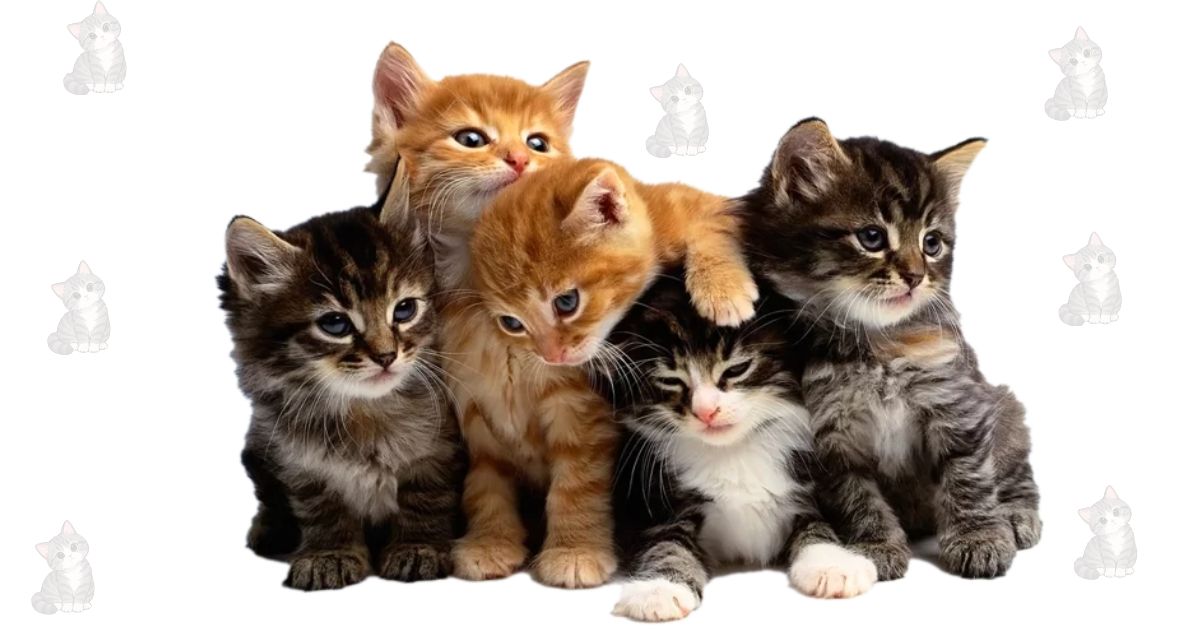
Ragdolls, British Shorthairs, Maine Coons and the humble moggy. See Australia's most popular cat breeds, what each is like to live with, and which suits your home.
Australians love their cats. According to Animal Medicines Australia's Pets in Australia report, released in September 2025, about 34% of Australian households now have a cat, up from 27% in 2019. That's millions of cats, from the family moggy asleep on the couch to pedigree Ragdolls with their own Instagram accounts.
Advertisement
So which cat breeds do Australians love most? There's no national register of every cat's breed, but pet insurers hold large amounts of data on the cats they cover. Two of them, PetSure and Bupa Pet Insurance, have published lists of the most popular cat breeds in Australia, and they tell a clear story.
Below you'll find both rankings, a profile of each popular breed, the health issues to know about, and practical advice on choosing the right cat for an Australian home and climate.
Quick answer: Australia's most popular cat breeds
According to PetSure's 2023 policy data, the 10 most popular cat breeds in Australia are:
| Rank | Breed | Known for |
|---|---|---|
| 1 | Domestic Shorthair | Adaptable, low-maintenance, suits most homes |
| 2 | Ragdoll | Gentle, affectionate and relaxed |
| 3 | British Shorthair | Calm and easy-going |
| 4 | Maine Coon | Friendly, intelligent and sociable |
| 5 | Burmese | Playful and people-oriented |
| 6 | Russian Blue | Intelligent, sensitive and reserved |
| 7 | Bengal | Energetic and playful |
| 8 | Sphynx | Affectionate and curious |
| 9 | Devon Rex | Playful and mischievous |
| 10 | Siberian | Intelligent, social and affectionate |
The Domestic Shorthair, Australia's everyday mixed-breed cat, is the clear favourite. Among pedigree breeds, the Ragdoll comes out on top.
Two rankings, one clear winner
PetSure, which underwrites many Australian pet insurance brands, published its list in May 2024 using its 2023 policy data. Bupa Pet Insurance released its own top 10 in August 2024, based on its policies from July 2023 to June 2024.
Bupa's list looks a little different because it counts domestic cats in several groups:
- Domestic Short Hair
- Ragdoll
- Domestic Medium Hair
- Domestic House Cat
- Tabby
- British Short Hair
- Domestic Long Hair
- Burmese
- Unknown breed
- Ragdoll Cross
Put the two side by side and the pattern is obvious. Mixed-breed domestic cats dominate, and the Ragdoll, British Shorthair and Burmese are the pedigree breeds that appear on both lists.
Keep in mind that these rankings only cover insured cats. Owners who pay for a pedigree kitten may be more likely to insure it, so pedigree breeds could be slightly over-represented compared with the whole cat population.
Why the humble moggy wins
A Domestic Shorthair isn't a formal breed. It's the name vets and insurers use for a cat of mixed or unknown ancestry with a short coat. Domestic Medium Hairs and Domestic Long Hairs are the same idea with longer fur. "Tabby" is a coat pattern, not a breed, which is why it appears in Bupa's list.
PetSure describes the Domestic Shorthair as a cat that suits many types of household, including apartments, with minimal grooming needs. Domestic cats come in every colour and personality, and most of the cats waiting in Australian shelters are domestic cats.
RSPCA Australia encourages people looking for a pet to first consider adopting from the RSPCA or another reputable animal welfare organisation. Adopted cats from these organisations are usually desexed, vaccinated and microchipped before they go home, and you can often meet adult cats whose personalities are already known.
Profiles of Australia's favourite breeds
The temperament and grooming notes below come from PetSure's breed guide, which was written with its veterinary advisers. PetSure also lists the conditions most commonly claimed for each breed in its 2023 policy data. Those conditions are a useful guide to what owners deal with, but they don't mean every cat of that breed will develop them.
Ragdoll
The Ragdoll is Australia's favourite pedigree cat. PetSure describes Ragdolls as gentle, affectionate and relaxed, and says they suit singles, couples, families and seniors. They have a semi-long coat that needs regular grooming, especially when they're shedding.
Health notes: PetSure lists gastrointestinal disease, skin allergies, eye problems and urinary tract disease among the most common claims. The Cornell Feline Health Center names the Ragdoll as one of the breeds in which hypertrophic cardiomyopathy (HCM), a heart muscle disease, is more common. Ask any breeder about heart screening and genetic testing.
Good for: Calm households and indoor living. Ragdolls are known for their relaxed nature, which is one reason they're popular with indoor-only owners.
British Shorthair
PetSure describes the British Shorthair as easy-going, calm and sociable. It notes that many don't like being picked up, so they may suit homes without young children who want to carry them around. Their dense coat needs moderate grooming.
Health notes: PetSure lists gastrointestinal disease, skin allergies, eye problems and urinary tract disease. Cornell also lists the British Shorthair among the breeds where HCM is more prevalent.
Good for: Quiet adults, working couples and people who want a cat that's affectionate without being demanding.
Maine Coon
The Maine Coon is one of the largest domestic cat breeds and a favourite with Australian cat lovers. PetSure describes Maine Coons as friendly, intelligent and sociable, with moderate to high grooming needs because of their long, shaggy coat.
Health notes: PetSure lists gastrointestinal disease, skin allergies and traumatic injuries. Cornell names the Maine Coon as a breed in which HCM is more prevalent, and genetic tests can show whether a cat carries a known mutation. Cornell advises interpreting results with a vet, since not every cat with a mutation develops the disease.
Australian tip: That thick coat can be hard work in an Australian summer. Brush regularly to remove loose undercoat, and read our guide to keeping cats cool in summer.
Burmese
The Burmese has a long history in Australia and remains one of the country's most popular pedigree breeds. PetSure describes Burmese cats as affectionate, playful and people-oriented, and says they need plenty of time and attention. Their short, glossy coat needs minimal grooming.
Health notes: PetSure lists gastrointestinal disease, eye problems and dental issues. International Cat Care explains that Burmese and related breeds can inherit periodic hypokalaemia, a condition linked to low potassium that causes episodes of muscle weakness, often with a drooping head and neck. It usually appears in kittens aged two to six months. A gene test is available, and International Cat Care recommends testing breeding cats.
Good for: Homes where someone is around a lot. A Burmese left alone all day may become bored or lonely.
Russian Blue
PetSure describes the Russian Blue as intelligent, sensitive and reserved, and suggests it suits quiet homes and seniors. With its silver-blue short coat and green eyes, it's one of the most recognisable breeds.
Health notes: PetSure lists gastrointestinal disease, respiratory tract disease and traumatic injuries.
Good for: Calm households without lots of noise or visitors.
Bengal
Bengals have a wild look, with spotted or marbled coats. PetSure describes them as energetic, playful and social, with minimal grooming needs.
Health notes: PetSure lists gastrointestinal disease, traumatic injuries and urinary tract disease.
Good for: Active owners who'll provide daily play, climbing spaces and puzzle feeders. Bengals are high-energy cats, and a bored Bengal can become destructive. An outdoor enclosure is a great way to give them safe extra space. See our guide to cat enclosures and catios.
Sphynx
The hairless Sphynx is affectionate, curious and social, according to PetSure. Having no fur doesn't mean no maintenance. PetSure notes that their skin and skin folds need regular care, including baths.
Health notes: PetSure lists gastrointestinal disease, heart disease and skin disease. Cornell lists the Sphynx among breeds where HCM is more prevalent, and International Cat Care includes the Sphynx among breeds that can inherit periodic hypokalaemia.
Australian tip: RSPCA South Australia warns that pets with white, thin or no hair can suffer severe sunburn and are prone to skin cancer. A Sphynx should be kept indoors, out of strong sun, and you should ask your vet about safe sun protection if it ever goes outside.
Devon Rex
The Devon Rex has a soft, wavy coat, big ears and a cheeky personality. PetSure describes the breed as playful, mischievous and people-oriented, needing plenty of attention, with moderate grooming needs.
Health notes: PetSure lists skin allergies, gastrointestinal disease and eye problems. International Cat Care also includes the Devon Rex among breeds that can inherit periodic hypokalaemia.
Good for: Owners who want an interactive, entertaining cat and are home often.
Siberian
The Siberian is a large, long-haired breed. PetSure describes Siberians as intelligent, social and affectionate, and says they need quality time with their owners. Their coat needs moderate grooming, especially during shedding season.
Advertisement
Health notes: PetSure lists skin conditions, gastrointestinal disease and eye problems.
Good for: Families who enjoy an affectionate cat and don't mind regular brushing.
Australia's own breed: the Australian Mist
One breed deserves a special mention. The Australian Mist was developed in Australia by Dr Truda Straede, starting in 1977. According to Burke's Backyard, it was originally called the Spotted Mist and was bred from Burmese, Abyssinian and domestic cats. Burke's Backyard describes it as the only cat breed to have originated entirely in Australia.
The Australian Mist is described as intelligent, friendly and very affectionate, good with children and kittenish throughout life. Its short coat needs only light grooming. It isn't in the insurers' top 10, but it's a great choice for Australian families who want a gentle, indoor-friendly cat with local roots.
Comparing the top breeds at a glance
This table summarises PetSure's breed notes on temperament and grooming.
| Breed | Personality | Grooming | Best suited to |
|---|---|---|---|
| Domestic Shorthair | Varies, often adaptable | Minimal | Almost any home, including apartments |
| Ragdoll | Gentle, relaxed | Regular | Calm homes, families, seniors |
| British Shorthair | Calm, easy-going | Moderate | Quiet adults, homes without toddlers |
| Maine Coon | Friendly, sociable | Moderate to high | Cat lovers with time to groom |
| Burmese | Playful, people-oriented | Minimal | Homes where someone is around |
| Russian Blue | Sensitive, reserved | Short coat | Quiet homes, seniors |
| Bengal | Energetic, playful | Minimal | Active owners with lots of play time |
| Sphynx | Affectionate, curious | Regular skin care | Indoor homes, attentive owners |
| Devon Rex | Mischievous, playful | Moderate | Owners home often |
| Siberian | Social, affectionate | Moderate | Families who enjoy grooming |
Choosing a breed for Australian life
Think about indoor living
More Australian councils and states now require cats to be contained to their owner's property, at least at night. Before choosing a breed, check the rules where you live in our guide to cat laws by state.
Calmer breeds such as Ragdolls and British Shorthairs often adapt well to indoor life. High-energy breeds such as Bengals and Devon Rex cats can live indoors too, but need much more play, climbing space and enrichment.
Think about the climate
Long-haired breeds such as Maine Coons and Siberians need extra grooming and cooling in hot weather. Hairless and pale cats need protection from Australia's strong sun. In warmer parts of the country, a short-coated cat may be easier to keep comfortable.
Think about local risks
Australian cats face hazards that cats in many other countries don't, including paralysis ticks, snakes and cane toads. Keeping your cat contained reduces these risks. Learn the warning signs in our guides to paralysis ticks and snake bites.
Think about your budget
A pedigree kitten is only the first cost. Breeds with known inherited conditions may need more vet care over their lifetime. Read our guides to cat vet costs in Australia and whether cat insurance is worth it before you buy.
How to buy a pedigree kitten responsibly
RSPCA Australia recommends these steps when choosing a breeder:
- Consider adoption first. Shelters and rescue groups sometimes have pedigree cats as well as domestic cats.
- Check the breeder is licensed or registered with the relevant authority where required, and meets legal requirements in your state.
- Visit in person. See where the kittens were born and raised, and avoid buying a kitten sight unseen.
- Meet the mother, and the father if possible, to see their health and temperament.
- Ask for full medical history, including inherited disorders and screening or genetic test results for the parents.
- Expect questions. A good breeder wants to know their kittens are going to suitable homes.
- Get a written take-back promise. RSPCA Australia says a responsible breeder should take a kitten back within a specified period, and accept returns for inherited problems.
- Ask for references from previous buyers.
Be wary of online ads offering popular breeds at prices that seem too good to be true, or sellers who want to meet in a car park instead of at their home.
Your breed-choosing checklist
- [ ] I've checked whether my council or state requires cats to be contained.
- [ ] I've considered adopting from a shelter or rescue group first.
- [ ] I know how much grooming the breed needs, and I have time for it.
- [ ] I know the breed's energy level and can provide enough play.
- [ ] I've read about the breed's known health issues.
- [ ] I've asked the breeder for health screening and genetic test results.
- [ ] I've visited the breeder and met the mother cat.
- [ ] I've budgeted for food, vet care, vaccinations and insurance.
- [ ] My home is ready, with safe indoor space, scratching posts and hiding spots.
Frequently asked questions
What is the most popular cat breed in Australia?
The Domestic Shorthair, a mixed-breed short-haired cat, is the most popular cat in Australia according to both PetSure and Bupa Pet Insurance data. Among pedigree breeds, the Ragdoll ranks highest on both lists.
What is the most popular pedigree cat in Australia?
The Ragdoll. It ranked second overall, behind the Domestic Shorthair, in both PetSure's 2023 data and Bupa's July 2023 to June 2024 data. PetSure describes Ragdolls as gentle, affectionate and relaxed.
Which cat breed is best for an apartment?
PetSure says the Domestic Shorthair suits apartments. Calm breeds such as the Ragdoll and British Shorthair also tend to cope well with indoor living. Whatever the breed, provide climbing spaces, scratching posts and daily play.
Which cat breeds are best with children?
Burke's Backyard describes the Australian Mist as good with children, and PetSure says Ragdolls suit families. British Shorthairs often dislike being picked up, so they may suit homes with older children. Always supervise young children with any cat.
Is there an Australian cat breed?
Yes. The Australian Mist was developed in Australia by Dr Truda Straede from 1977, using Burmese, Abyssinian and domestic cats. It's described as affectionate, gentle and good with families.
Are pedigree cats less healthy than mixed-breed cats?
Not always, but some pedigree breeds are more prone to certain inherited conditions, such as HCM in Maine Coons and Ragdolls, or periodic hypokalaemia in Burmese. Buy from a breeder who screens their cats, and talk to your vet.
Related guides
Sources
- PetSure, The 10 most popular cat breeds
- Insurance Business Australia, Bupa unveils Australia's favourite dog and cat breeds
- Animal Medicines Australia, Pets in Australia report media release, September 2025
- RSPCA Australia Knowledgebase, How do I find a responsible dog or cat breeder?
- Cornell Feline Health Center, Hypertrophic cardiomyopathy
- International Cat Care, Hypokalaemia in cats
- RSPCA South Australia, Keeping your white pet safe from sunburn
- Burke's Backyard, Australian Mist cat
This guide is general information only. Talk to your vet before choosing a breed if you have questions about health or genetic testing.
Advertisement