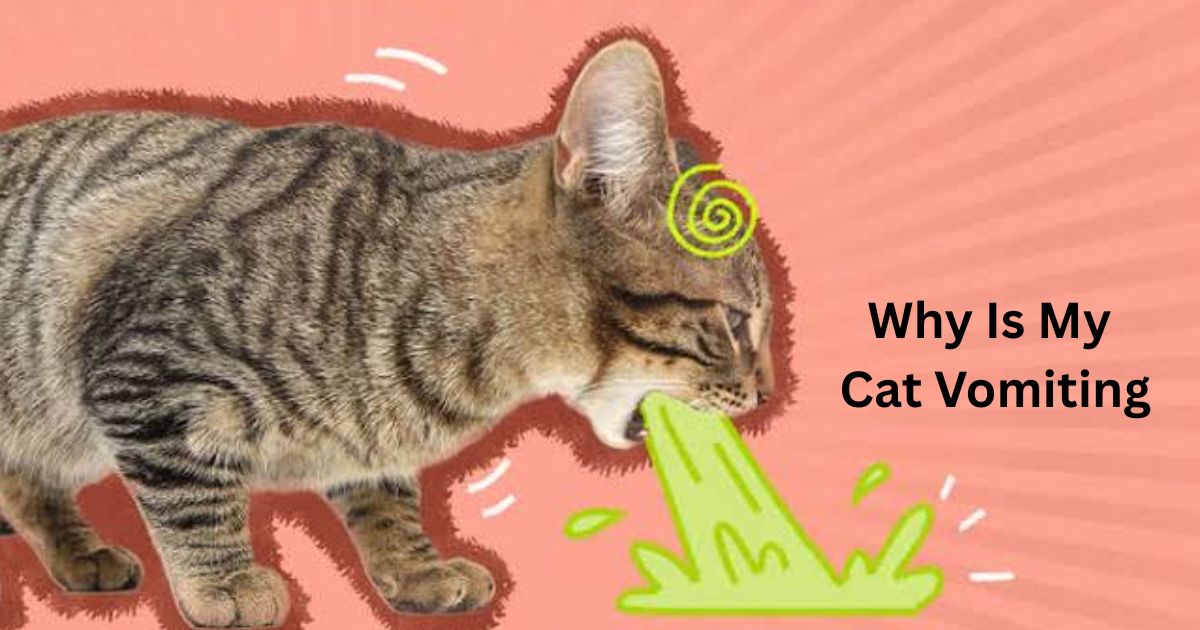
Wondering why your cat is vomiting? Learn the common causes, warning signs that need urgent veterinary care, and how to help your cat safely at home in Australia.
Finding vomit on your kitchen floor or beside your cat's favourite sleeping spot can be worrying. You might wonder, why is my cat vomiting, and should you contact a vet or monitor your cat at home?
Advertisement
Vomiting can happen for relatively minor reasons, such as eating too quickly, but it can also signal poisoning, an intestinal blockage or another serious illness. Cats often hide discomfort, so changes in behaviour, appetite and energy are important clues.
Australian cats may encounter hazards such as toxic garden plants, household chemicals and cane toads. Knowing what to look for can help you recognise when your cat needs professional attention.
Quick answer: Why is my cat vomiting?
Cats vomit for many reasons, including eating too quickly, hairballs, food intolerance, parasites, infections, poisoning and digestive or organ diseases. A single episode in an otherwise well cat may not indicate a serious problem, but repeated vomiting, blood, weakness, abdominal pain or suspected toxin exposure requires prompt veterinary advice.
If your cat repeatedly vomits, cannot keep water down, appears very unwell or may have swallowed something dangerous, contact a vet immediately. Never give human medicines or attempt home treatments without veterinary instructions.
1. Common reasons cats vomit
Vomiting is a symptom rather than a diagnosis. Your vet will consider your cat's age, diet, medical history, other symptoms and the frequency of episodes to identify possible causes.
Eating too quickly or too much
Some cats gulp meals, particularly when competing with other pets for food. Eating a large meal quickly can trigger vomiting shortly afterwards.
If your cat remains comfortable and behaves normally, record whether vomiting happens after particular meals. Smaller, more frequent meals or a suitable slow feeder may help if your vet agrees.
However, do not automatically blame fast eating if vomiting is new or repeated. An underlying digestive problem may require investigation.
Hairballs
Cats swallow loose fur while grooming. Some fur passes through the digestive tract, while some cats bring up a compact mass of hair mixed with fluid or food.
Regular brushing can reduce loose fur, especially in long-haired cats. However, frequent hairballs, repeated retching or attempts to vomit without producing anything should not be dismissed as normal.
Contact your vet if your cat repeatedly retches or seems uncomfortable. A suspected blockage needs professional assessment rather than an unverified home remedy.
Food changes and intolerance
Sudden dietary changes, unfamiliar treats, spoiled food or access to another pet's meals can upset a cat's digestive system. Some cats also react poorly to particular ingredients.
Keep track of new foods and treats introduced before the vomiting began. Ask your vet how to adjust your cat's diet safely rather than repeatedly switching products.
Parasites, infections and medical conditions
Intestinal parasites and infections can cause vomiting, sometimes alongside diarrhoea, reduced appetite or lethargy. Kittens and cats that roam outdoors may need particular attention.
Persistent or recurrent vomiting can also be associated with inflammatory digestive conditions, intestinal blockages, kidney disease, liver problems and pancreatitis. Changes in thirst, urination, weight or appetite can provide additional clues.
The symptoms alone cannot confirm the cause. Your vet may recommend an examination, faecal testing, blood tests or imaging, depending on your cat's condition.
2. What does your cat's vomit look like?
The appearance of vomit can provide useful clues, but it cannot confirm a diagnosis. Take a photograph if practical and describe what happened to your vet.
| Appearance | Possible explanation | What you should do |
|---|---|---|
| Undigested food shortly after eating | Eating quickly, regurgitation or digestive problems | Record when it happens and contact your vet if it recurs |
| Hair mixed with fluid or food | A hairball | Monitor an isolated mild episode; seek advice if frequent |
| Clear or foamy fluid | Stomach fluid or irritation | Watch for recurrence and other symptoms |
| Yellow fluid | Bile, sometimes seen when the stomach is empty | Contact your vet if vomiting continues |
| Fresh red blood | Possible bleeding in the mouth or digestive tract | Seek urgent veterinary advice |
| Dark material resembling coffee grounds | Potentially digested blood | Seek emergency veterinary care |
| Plant material or a foreign object | Possible ingestion of something dangerous | Contact your vet promptly |
Colour alone cannot tell you how seriously ill your cat is. Even clear or yellow vomit can accompany an underlying illness, and blood should never be ignored.
Vomiting or regurgitation?
Vomiting usually involves abdominal contractions and retching. Regurgitation is often more passive, with recently swallowed food returning through the mouth without the same obvious effort.
Food returned soon after eating may look relatively undigested. Repeated regurgitation can indicate a swallowing or oesophageal problem, so tell your vet what you observed.
A short video of an episode may help your vet distinguish between the two, provided recording it does not delay care.
3. When is cat vomiting an emergency?
Some causes of vomiting are time-sensitive. Do not wait for symptoms to become severe if your cat may have swallowed a toxin or foreign object.
Seek urgent veterinary care if you notice:
- Repeated vomiting or an inability to keep water down.
- Blood in the vomit or material resembling coffee grounds.
- Marked weakness, collapse or difficulty breathing.
- A painful, swollen or tense abdomen.
- Repeated retching without producing vomit.
- Suspected poisoning or ingestion of string, ribbon, needles or other foreign objects.
- Vomiting alongside difficulty urinating, particularly in a male cat.
- Severe diarrhoea, pale gums or obvious dehydration.
If your cat collapses, struggles to breathe or shows severe distress, go to an emergency veterinary clinic immediately.
Kittens, older cats and cats with existing medical conditions may need extra care. Kittens can deteriorate when vomiting is accompanied by poor food or fluid intake, while older cats may have underlying illnesses that are not immediately obvious.
There is no universal number of vomiting episodes that makes every cat safe to monitor. Your cat's overall condition, medical history and possible exposure to hazards all matter.
4. What to do if your cat is vomiting
Your first priority is to assess your cat's condition, identify possible hazards and contact a vet when needed. Cornell University's Feline Health Center recommends veterinary assessment for frequent vomiting and vomiting accompanied by signs such as weakness, reduced appetite, blood or changes in thirst and urination.
Follow these steps
- Check your cat's condition. Look for weakness, unusual hiding, breathing difficulties, abdominal discomfort and changes in responsiveness. Seek emergency care if your cat appears seriously unwell.
- Look for possible causes. Consider access to new food, rubbish, medicines, cleaning products, houseplants, string or small objects. Do not delay care to investigate if poisoning or a blockage is possible.
- Record the symptoms. Note when vomiting started, how often it occurred, what it looked like and whether your cat has eaten, drunk, urinated or passed faeces normally. Take a photograph if practical.
- Contact your vet. Explain the symptoms, medical history and any suspected exposure. Ask whether your cat needs immediate examination and follow the clinic's advice about food and water.
- Prepare for transport if advised. Use a secure carrier and bring relevant packaging or photographs of suspected toxins. Do not delay emergency treatment to collect evidence.
- Monitor changes if your vet recommends it. Report further vomiting, worsening behaviour or new symptoms. Stop home monitoring and seek help if your cat deteriorates.
Can you treat cat vomiting at home?
Home care is appropriate only when your cat appears well and your vet agrees that observation is reasonable. A single mild episode does not automatically require emergency treatment, but its cause cannot be determined from appearance alone.
Keep fresh water available unless your vet advises otherwise. Do not force your cat to drink, syringe water into its mouth or impose a prolonged fast without veterinary guidance.
Never give human anti-nausea medicines, painkillers, antacids or leftover pet medication without veterinary instructions. Do not induce vomiting, give oils or attempt to remove a suspected blockage yourself.
If vomiting returns, your cat stops eating, becomes lethargic or develops other symptoms, contact your vet promptly.
5. Why is my cat vomiting after eating or drinking?
The timing of vomiting can help your vet understand what is happening. Record when it occurs and whether your cat seems comfortable afterwards.
Immediately after eating
Food returned shortly after a meal may indicate rapid eating, regurgitation or digestive irritation. If this happens regularly, your vet may investigate swallowing difficulties, food-related problems or another underlying condition.
For a cat with a confirmed tendency to eat too quickly, a suitable slow feeder and smaller meals may help. However, new or persistent vomiting needs assessment rather than feeding adjustments alone.
Undigested food hours later
Food that remains undigested for an unusual length of time can be associated with digestive problems. A blockage is another possibility, particularly if your cat has access to string, toys or household objects.
Do not diagnose the problem from the appearance of the food. Repeated episodes warrant veterinary assessment, while vomiting accompanied by pain, weakness or suspected foreign-object ingestion requires urgent attention.
After drinking water
Advertisement
A cat that vomits after drinking may have stomach irritation or another digestive problem. Repeatedly bringing up water is concerning because your cat may struggle to maintain hydration.
Contact your vet promptly if your cat cannot keep water down. Do not force fluids or deliberately withhold water as a treatment.
Yellow liquid or foam
Yellow vomit often contains bile, while white foam can contain stomach fluid and mucus. These appearances sometimes occur when a cat vomits without much food in its stomach, but they do not establish the cause.
If your cat repeatedly vomits between meals or early in the morning, record the timing and discuss it with your vet. Do not assume recurring vomiting is simply caused by hunger.
6. Australian hazards that can make cats vomit
Australian households and gardens contain hazards that cat owners should recognise. Suspected toxin exposure requires veterinary advice even if your cat initially seems normal.
Lilies and poisonous plants
The RSPCA's Knowledgebase warns that true lilies and daylilies are extremely toxic to cats. Ingestion of plant material, pollen or vase water can cause serious kidney damage, and early symptoms may include vomiting and lethargy.
If your cat may have contacted or eaten a dangerous lily, seek immediate veterinary attention. Do not wait for symptoms to develop.
Read our information about lilies that are toxic to cats and keep dangerous plants out of your home.
Household chemicals and medicines
Cleaning products, pesticides, automotive chemicals and human medicines can cause poisoning. Cats may also ingest residue while grooming after walking through a spill.
Keep these products in their original containers and tell your vet the product name and any known exposure details. Never give a home remedy or induce vomiting unless a veterinary professional specifically instructs you to do so.
Cane toads and outdoor hazards
In parts of Australia, cane toads are a significant hazard for cats with outdoor access. Exposure can cause sudden distress, excessive drooling and abnormal behaviour; vomiting may also occur.
If you suspect contact with a cane toad, seek immediate veterinary advice rather than waiting to see whether symptoms pass. Read more about cane toad poisoning in cats.
Heat and dehydration
Australian summers can expose cats to hot environments, especially in poorly ventilated rooms, enclosed outdoor spaces or vehicles. Vomiting alongside weakness, excessive panting or collapse requires emergency veterinary care.
Move your cat away from heat if you can do so safely and contact a vet immediately. Our advice on keeping cats cool during an Australian summer explains practical ways to reduce heat-related risks.
7. How vets diagnose and treat vomiting in cats
Your vet will gather information about your cat's symptoms and overall health before recommending treatment. Cornell University's Feline Health Center explains that assessment may include a physical examination, blood tests, faecal testing and imaging such as X-rays or ultrasound.
What your vet may ask
Be ready to explain:
- When vomiting began and how often it happens.
- Whether your cat is eating, drinking and behaving normally.
- Any changes to food, treats or feeding routines.
- Whether your cat goes outdoors or may have swallowed an object.
- Any medicines, supplements or existing medical conditions.
- Changes in thirst, urination, weight or bowel movements.
If you suspect poisoning, bring product packaging or a photograph if available. Never delay emergency treatment to collect evidence.
Possible treatments
A cat with a mild problem may need monitoring and dietary guidance. More serious cases may require fluids, prescribed anti-vomiting medication, treatment for an underlying illness or hospitalisation.
If a foreign object obstructs the digestive tract, veterinary intervention may be necessary. Poisoning requires treatment appropriate to the substance involved, while chronic conditions may need ongoing management.
Never use medication prescribed for another animal or a previous illness. A treatment that helped your cat before may be inappropriate for the current cause.
What about vet costs in Australia?
The cost of assessment and treatment varies between clinics and depends on the urgency, investigations and care required. Emergency consultations, blood tests, imaging, hospitalisation and surgery can contribute to the final bill.
Contact the clinic for an estimate and ask what is included. If cost is a concern, explain this early so the team can discuss appropriate options without delaying essential care. Read our overview of cat vet costs in Australia.
8. How to reduce future vomiting
You cannot prevent every episode, but consistent care can reduce some avoidable triggers and help you notice illness earlier.
Establish a consistent feeding routine
Feed a complete and balanced cat food suitable for your cat's life stage. Introduce dietary changes gradually, keep food fresh and store it securely to prevent access to rubbish or spoiled leftovers.
If your cat gulps meals, ask your vet whether smaller portions or a suitable slow feeder would help. Avoid making several diet changes at once, as this can make potential triggers harder to identify.
Reduce household hazards
Keep string, ribbon, sewing supplies, small toys, medicines and cleaning products out of reach. Check plants before bringing them inside and remove known toxic plants from places your cat can access.
Secure rubbish bins and keep food preparation areas clear. If your cat chews unfamiliar objects, discuss this behaviour with your vet.
Maintain grooming and routine veterinary care
Brush your cat regularly to reduce loose fur, particularly during heavier shedding. If hairballs become frequent, ask your vet whether grooming, dietary changes or further investigation is appropriate.
Monitor your cat's normal appetite, weight, thirst, urination and behaviour. A simple record of vomiting episodes, meals and accompanying symptoms can help your vet identify patterns.
Cat vomiting checklist
Save this checklist to help organise information when your cat is sick.
- [ ] Check whether your cat is alert, breathing normally and standing comfortably.
- [ ] Note the time of the first episode and how often vomiting occurs.
- [ ] Photograph the vomit if it is safe and practical.
- [ ] Check for blood, foreign objects or unusual plant material.
- [ ] Record recent meals, treats and dietary changes.
- [ ] Observe appetite, drinking, urination and bowel movements.
- [ ] Check for possible access to plants, medicines, chemicals or rubbish.
- [ ] Contact your vet if vomiting repeats or other symptoms develop.
- [ ] Seek emergency care for severe illness, suspected poisoning or a possible blockage.
- [ ] Follow your vet's instructions about food, water, medication and monitoring.
Frequently asked questions
Why is my cat vomiting but acting normally?
Your cat may have mild stomach irritation, eaten too quickly or brought up a hairball. However, normal behaviour does not rule out illness. Monitor closely after an isolated episode and contact your vet if vomiting returns, appetite changes or other symptoms appear.
Should I feed my cat after vomiting?
Do not impose a prolonged fast without veterinary advice, particularly for kittens, older cats or cats with existing illnesses. Ask your vet when and what to feed your cat. Seek prompt help if your cat cannot keep food or water down.
Why is my cat vomiting yellow liquid?
Yellow vomit often contains bile, which may appear when the stomach is relatively empty. It can also accompany digestive irritation or other illnesses. If it happens repeatedly, or your cat seems unwell, contact your vet rather than assuming hunger is the cause.
Is it normal for cats to vomit hairballs?
Cats sometimes bring up hairballs after grooming, but frequent episodes should not be dismissed as normal. Regular brushing can help reduce swallowed fur. Contact your vet if your cat repeatedly retches, vomits without producing a hairball or shows other signs of illness.
When should I take my cat to the vet for vomiting?
Seek immediate veterinary care for suspected poisoning, blood in vomit, severe weakness, abdominal pain, repeated unproductive retching or possible foreign-object ingestion. Contact your vet promptly for recurrent vomiting, reduced appetite or changes in drinking and urination.
Related guides
Sources
- Cornell University College of Veterinary Medicine, Vomiting
- RSPCA Australia Knowledgebase, Are lilies toxic to cats?
- Agriculture Victoria, Toxic plants for cats
- City of Monash, Toxic plants for cats
- Animal Poisons Centre, Poisons Information 24 Hr Hotline
This article provides general information only and is not a substitute for professional veterinary advice, diagnosis or treatment.
Advertisement