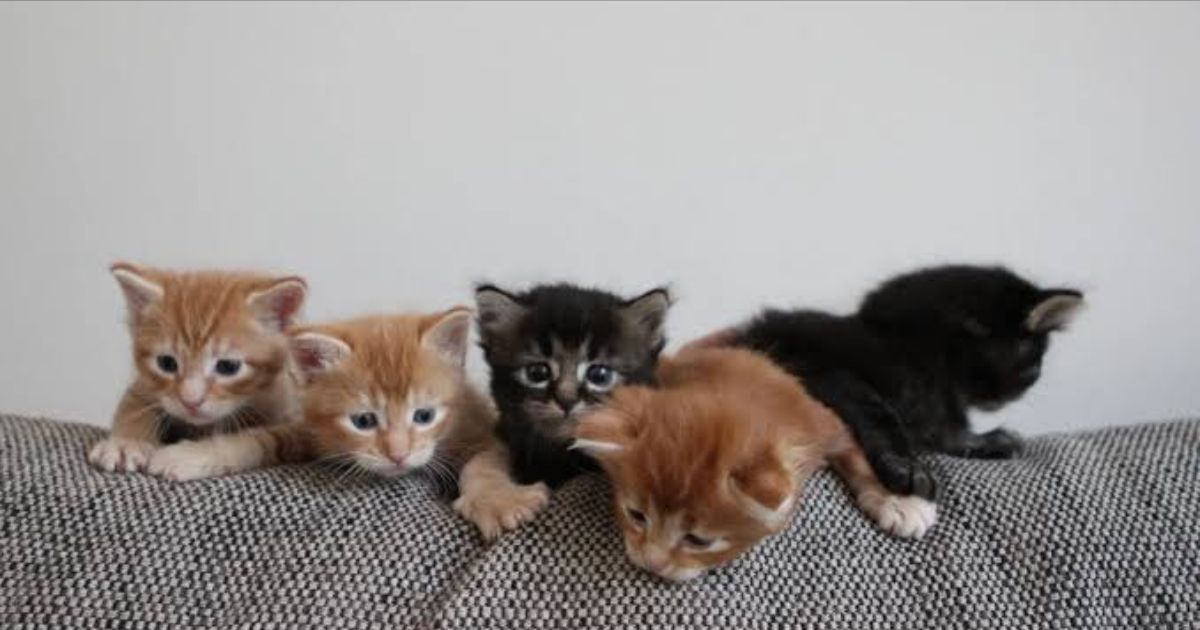
Looking for a kitten in Melbourne? Where to adopt from local shelters and rescues, what Victorian law says about selling kittens, and how to avoid kitten scams.
Spring and summer are kitten season in Victoria, and Melbourne's shelters and rescue groups fill up with kittens looking for homes. At the same time, online marketplaces are full of kitten ads, and not all of them are genuine.
Advertisement
If you're planning to adopt a rescue kitten or buy a pedigree kitten from a breeder, it helps to know that Victoria has clear laws about how cats and kittens can be sold and advertised. Knowing them protects you, and the kitten.
Below you'll find where to adopt kittens in Melbourne, what Victorian law requires when kittens are sold or given away, how to check a seller's source number, and the warning signs of a kitten scam.
Quick answer
The easiest way to find a kitten in Melbourne is to adopt from a shelter or rescue group, such as the Cat Protection Society of Victoria, Lort Smith, the Lost Dogs' Home or RSPCA Victoria. If you buy a kitten, Victorian law requires every advertisement to show the kitten's microchip number and the seller's source number from the Pet Exchange Register. Kittens must be microchipped and vaccinated before sale, and you should always meet the kitten in person before paying.
Why kittens are so common in Melbourne right now
RSPCA NSW explains that cats are seasonal breeders. They start breeding as the days lengthen in late winter, and kitten season runs from about mid-October through spring, summer and much of autumn. Victoria follows a similar pattern.
That means more kittens in shelters, more litters born to undesexed cats, and more kittens advertised online. It's a great time to adopt, but also a time to be extra careful about where your kitten comes from.
Where to adopt a kitten in Melbourne
These are some of the well-known organisations that rehome cats and kittens in and around Melbourne. Availability changes daily, so check each organisation's website or call before visiting.
| Organisation | Location | What to know |
|---|---|---|
| Cat Protection Society of Victoria | Greensborough | Cat-only shelter with its own cat vet clinic and kitten foster program |
| Lort Smith | Adoption centre in Campbellfield, animal hospital in North Melbourne | Adopts mainly cats and dogs, walk-ins and appointments |
| The Lost Dogs' Home | Cranbourne and North Melbourne | Despite the name, rehomes cats too, walk-in adoptions |
| RSPCA Victoria | Burwood and partner locations | Browse animals online, then visit to discuss a match |
| Petbarn adoption centres | Selected Melbourne stores | Cat and kitten adoptions through partner rescue groups |
| Second Chance Animal Rescue (SCAR) | Craigieburn | Rehomes cats and dogs, browse online then arrange a meeting |
| Save a Dog Scheme | Glen Iris | Rehomes cats as well as dogs, application then meeting |
Details are based on the Cat Protection Society of Victoria's website and a 2023 Time Out Melbourne guide to adopting a pet in Melbourne.
The Cat Protection Society of Victoria
The Cat Protection Society of Victoria in Greensborough has been helping cats for more than 75 years. It rehomes stray, abandoned and surrendered cats and kittens, runs a cat-only vet clinic, and relies on volunteer foster carers to care for kittens until they're ready for new homes. Because it focuses only on cats, it's a great first stop for Melbourne kitten seekers.
Adoption fees
Adoption fees vary by organisation and by animal. Time Out Melbourne reported in 2023 that the Lost Dogs' Home asked for suggested donations of $50 to $800 depending on the animal, and that Save a Dog Scheme's kitten fee was roughly $300. Check current fees directly with each organisation.
Adoption fees usually cover far more than the kitten itself. RSPCA Queensland notes that adopted animals are typically desexed, vaccinated, microchipped and health-checked before rehoming. Paying for these separately would often cost more than the adoption fee.
Fostering first
Not sure you're ready to adopt? Many Melbourne organisations need foster carers during kitten season. Fostering lets you care for kittens temporarily while they grow big enough to be adopted, with the organisation usually covering vet costs. It's a great way to learn about kitten care, and many foster carers end up adopting one of their kittens.
Kitten or adult cat?
Kittens are irresistible, but they aren't the right choice for every home. Before you decide, think about what suits your lifestyle.
Kittens
- Need several small meals a day and close supervision
- Are full of energy, curious and prone to climbing curtains and chewing cords
- Need training to use scratching posts and litter trays reliably
- Have personalities that are still developing
Kittens suit people who are home often and have time for play, training and supervision.
Adult cats
- Have settled personalities, so shelter staff can tell you if a cat is calm, playful or cuddly
- Are usually already litter-trained
- Cope better with being left alone during the working day
- Are often overlooked during kitten season, when shelters are full of kittens
Adult cats are often a great match for busy households, older people, apartments and first-time cat owners.
One kitten or two?
Many Melbourne shelters encourage adopting kittens in pairs, especially littermates. Two kittens can play together, burn off energy on each other rather than on your furniture, and keep each other company while you're at work. It's worth asking staff whether a kitten you like has a bonded sibling.
Buying a kitten in Melbourne: what Victorian law requires
Source numbers and the Pet Exchange Register
Victoria has a Pet Exchange Register. Agriculture Victoria explains that anyone advertising a cat or kitten for sale, or giving one away, must include in the advertisement:
- The kitten's microchip number
- A source number from the Pet Exchange Register
Agriculture Victoria encourages buyers to search the seller's source number on the Pet Exchange Register before buying, to check it's valid and matches the seller. If an ad doesn't show these numbers, treat it as a red flag.
Microchipping and vaccination
Agriculture Victoria's rules for pet shops show what to expect in Victoria. Cats and kittens must be microchipped before they're sold or given away, and the seller must pass the new owner's details to the council where the cat will live.
Kittens sold through pet shops must also be vaccinated at least 14 days before sale against feline enteritis and feline respiratory disease (cat flu), with a vaccination certificate signed by a vet.
Pet shops sell rescue kittens
In Victoria, pet shops can only sell cats and kittens sourced from registered pounds, registered shelters, or foster carers registered under the foster carer scheme, according to Agriculture Victoria. Kittens from these sources must be at least 8 weeks old.
That means if you see kittens in a Victorian pet shop, they should come from a rescue source, not a breeder.
Registration with your council
Once your kitten is home, you'll usually need to register it with your local council. Many Melbourne councils also have cat curfews or containment rules. Our guide to cat laws in Australia explains the main rules in Victoria and other states.
Advertisement
How to buy from a breeder safely
If you've chosen a pedigree breed, follow RSPCA Australia's advice for choosing a responsible breeder:
- Check the ad shows a microchip number and source number, and search the source number on the Pet Exchange Register.
- Visit in person. See where the kittens were born and raised. Never buy a kitten sight unseen.
- Meet the mother cat, and the father if possible, to check their health and temperament.
- Ask for health records, including vaccinations, worming, microchipping and any genetic testing for the breed.
- Check the kitten's age. Kittens should be at least 8 weeks old, weaned and eating on their own.
- Expect questions. Good breeders want to know their kittens are going to suitable homes.
- Get a written agreement, including a take-back promise if things don't work out.
For example, if you're thinking of a Burmese, our guide to Burmese cats in Australia explains the breed's health checks.
How to spot a kitten scam
Kitten scams are common, especially during kitten season and in the lead-up to Christmas. Walk away if a seller:
- Won't let you visit or meet the mother cat
- Asks for a deposit or full payment before you've seen the kitten
- Wants to deliver the kitten, ship it interstate, or meet in a car park
- Can't provide a microchip number or a valid source number
- Uses stock photos, or the same photos appear in other ads
- Offers popular breeds at prices far below what other sellers charge
- Pressures you to decide quickly
- Asks for payment by gift cards, cryptocurrency or overseas transfer
If something feels wrong, it probably is. Adopting from an established shelter avoids these risks completely.
Getting ready for your Melbourne kitten
Before your kitten comes home
- Set up a quiet room with a litter tray, food, water, a bed, a scratching post and a hiding spot.
- Kitten-proof your home: secure windows and balcony doors, tuck away cords, and remove toxic plants such as lilies.
- Buy kitten food and ask the shelter or breeder what the kitten has been eating.
- Book a vet check for the first week.
- Plan for council registration and any containment rules in your area.
Costs to budget for
Your kitten will need ongoing vaccinations, flea and worm treatment, food, litter and toys, plus desexing if it isn't already done. Read our guides to cat vet costs in Australia and whether cat insurance is worth it to plan ahead.
Holidays and travel
If you're planning a trip over summer, organise care early, since Melbourne sitters and catteries book out fast over Christmas. Our guide to cat sitting in Melbourne explains your options.
Melbourne kitten checklist
- [ ] I've looked at Melbourne shelters and rescue groups first.
- [ ] I've checked the ad shows a microchip number and a source number.
- [ ] I've searched the source number on the Pet Exchange Register.
- [ ] I've met the kitten, and the mother cat if buying from a breeder.
- [ ] The kitten is at least 8 weeks old, microchipped and vaccinated.
- [ ] I've received vaccination and health records.
- [ ] I haven't paid before seeing the kitten in person.
- [ ] My home is kitten-proofed and ready.
- [ ] I know my council's registration and containment rules.
- [ ] I've booked a vet check for the first week.
Frequently asked questions
Where can I adopt a kitten in Melbourne?
Melbourne organisations that rehome kittens include the Cat Protection Society of Victoria in Greensborough, Lort Smith, the Lost Dogs' Home, RSPCA Victoria, Petbarn adoption centres, Second Chance Animal Rescue and Save a Dog Scheme. Check each website, since available kittens change daily.
How much does it cost to adopt a kitten in Melbourne?
Fees vary. Time Out Melbourne reported in 2023 that Save a Dog Scheme's kitten fee was roughly $300, and the Lost Dogs' Home asked for donations from $50 to $800 depending on the animal. Adopted kittens are usually desexed, vaccinated and microchipped.
What is a source number in Victoria?
A source number is issued through Victoria's Pet Exchange Register. Agriculture Victoria says anyone selling or giving away a cat must include the microchip number and source number in the advertisement. You can search the source number on the register.
How old should a kitten be before I take it home?
At least 8 weeks old. Agriculture Victoria sets a minimum of 8 weeks for cats sold through pet shops from pounds, shelters or foster carers, and kittens should be weaned and eating on their own.
Do kittens need to be microchipped in Victoria?
Yes. Agriculture Victoria says cats must be microchipped before they're sold or given away. You'll also usually need to register your kitten with your local council.
How do I avoid kitten scams in Melbourne?
Never pay before meeting the kitten in person. Check the ad shows a microchip number and source number, and search the source number on the Pet Exchange Register. Be wary of stock photos, very low prices and requests to deliver or ship the kitten.
Related guides
Sources
- Agriculture Victoria, Pet Exchange Register FAQs
- Agriculture Victoria, Pet shops
- Cat Protection Society of Victoria, Home
- Time Out Melbourne, Where to adopt a pet in Melbourne
- RSPCA NSW, Kitten season
- RSPCA Queensland, Why you shouldn't gift a pet
- RSPCA Australia Knowledgebase, How do I find a responsible dog or cat breeder?
This guide is general information only. Laws on selling and advertising cats in Victoria may change, so check Agriculture Victoria and your local council for current rules.
Advertisement