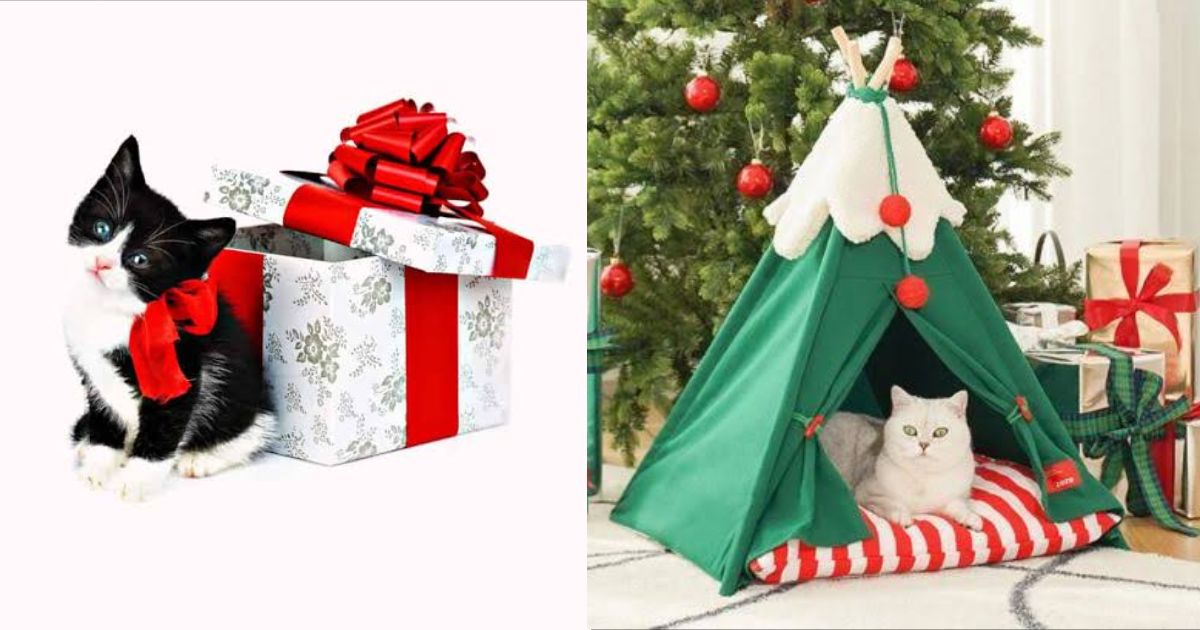
A kitten under the tree sounds magical, but is it a good idea? What RSPCA groups and research say about pets as Christmas gifts, and how to do it the right way.
It's one of the most heart-melting images of the festive season: a tiny kitten peeking out of a box under the Christmas tree. Every December, many Australians think about giving a kitten as a Christmas present to a partner, a parent or their children.
Advertisement
But is it a good idea? Animal welfare groups have warned against Christmas pets for years. More recent research, though, paints a more nuanced picture. The real answer isn't a simple yes or no. It depends on how you do it.
Below you'll find what RSPCA organisations and researchers actually say, the hidden costs and responsibilities of a kitten, why a surprise kitten is risky, and a better way to bring a new cat into your family this Christmas.
Quick answer
A kitten can be a wonderful Christmas addition, but it shouldn't be a surprise. RSPCA groups advise against giving pets as surprise gifts, because the person receiving the kitten may not be ready for years of care and cost. The better approach is to involve the future owner in the decision, choose the kitten together, and consider adopting from a shelter. A gift voucher, a cat bed or a "promise card" under the tree lets the recipient choose their own kitten when the time is right.
What animal welfare groups say
RSPCA groups: no surprise pets
RSPCA Queensland explains that when you give a pet as a surprise gift, the person receiving it may not be ready to commit. It warns that a surprise pet can end up in a pound, a shelter or with the wrong owner.
RSPCA WA has also warned Australians not to buy an animal on impulse or give one as a surprise Christmas gift. It points out that pets can live 10 to 15 years or longer, so getting one is a lifelong commitment.
The good news: Christmas can be a good time to adopt
Surprisingly, the same organisations don't say Christmas is a bad time for a new pet. RSPCA WA notes that if you're ready for a pet, Christmas can be a good time to adopt, because many people are at home over the holidays and the new pet has time to settle in and bond with the family.
An article in The Conversation, the Australian academic news site, also reported that RSPCA Victoria's chief executive was comfortable with a pet or an adoption voucher as a gift, as long as the pet wasn't a surprise.
What the research says about pets as gifts
You may have heard that shelters fill up with unwanted Christmas pets in January. The evidence is more complicated.
The ASPCA study
In 2013, the American Society for the Prevention of Cruelty to Animals (ASPCA) published a study in the journal Animals on pets received as gifts. According to a report by the American Veterinary Medical Association, the study surveyed 222 people who had received a dog or cat as a gift in the previous 10 years. It found that:
- 96% said receiving the pet as a gift either increased their love for it or made no difference
- 86% of the pets were still in the home, or had stayed there until they died
- There was no significant difference between surprise gifts and gifts the recipient knew about
Australian data
The Conversation reported that RSPCA Victoria's data showed no spike in surrenders in the months after Christmas, and that surrenders due to unwanted gifts were rare throughout the year. It also explained that the rise in cats arriving at shelters between November and January is mainly due to kitten season, not Christmas presents.
So why the warnings?
The research shows gifted pets aren't automatically at risk. But the gifts in those studies usually went to people who wanted a pet. The risk comes when a kitten goes to someone who didn't ask for one, can't afford one, or isn't allowed one where they live. That's why RSPCA groups focus on avoiding surprise pets, rather than banning pets at Christmas altogether.
Why a surprise kitten is risky
The recipient may not be ready
A kitten needs daily feeding, litter cleaning, play, training and vet care. Your sister, partner or parent may not have the time, energy or desire for that, however much they love cats.
They may not be allowed one
Depending on the state, renters may need their landlord's consent to keep a pet. Some apartment buildings have strata rules about pets. More councils and states also have cat containment rules. Our guide to cat laws in Australia explains the rules where you live.
The cost is real
RSPCA Queensland lists the ongoing costs that come with a pet, including vet check-ups, quality food, enrichment, secure housing, and boarding or pet sitting. RSPCA WA adds parasite treatment, council registration and emergency vet bills.
For a kitten in its first year, that can include:
- Vaccinations and a vet health check
- Desexing and microchipping
- Council registration where required
- Flea, tick and worm treatments
- Kitten food, litter, bowls, a bed, a carrier, scratching posts and toys
- Pet insurance, if you choose it
See our guides to cat vet costs in Australia and whether cat insurance is worth it for a clearer picture.
Cats live a long time
RSPCA Queensland notes that dogs and cats often live into their teens. A kitten given this Christmas could still be part of the family in the 2040s. That's a big commitment to make on someone else's behalf.
The Australian summer holidays
Christmas in Australia often means travel, visitors and hot weather. A kitten arriving on Christmas Day may face loud gatherings, open doors, unfamiliar food and decorations, and then be left with a sitter while the family goes away. If you're planning a trip, our guide to cat sitter costs can help you plan ahead.
The right way to give a kitten for Christmas
If you've thought it through and the future owner truly wants a cat, here's how to do it responsibly.
Step by step
- Talk to the future owner first. Make sure they want a cat, have time for one and can afford it for its whole life. RSPCA Queensland recommends making the decision as a whole household.
- Check the rules. Confirm their lease, strata rules and council laws allow a cat.
- Agree on who's responsible. If the kitten is for children, an adult must take responsibility for its care.
- Choose together. Let the future owner meet kittens and pick the one that suits them. Personality matters more than looks.
- Consider adoption first. RSPCA Queensland notes that adopted animals are typically desexed, vaccinated, microchipped and health-checked before rehoming.
- Buy responsibly if you choose a breeder. RSPCA Queensland warns never to pay for a pet sight unseen, since it's likely to be a scam. Visit the kitten at the breeder's home.
- Time the arrival carefully. Bring the kitten home a few days before or after Christmas Day, when the house is calm, rather than in the middle of the celebrations.
- Prepare the home with a quiet room, litter tray, food, water, a bed, hiding spots and a scratching post before the kitten arrives.
What to put under the tree instead
A live kitten in a box isn't the best surprise. Try one of these instead:
- An adoption voucher or promise card, so the recipient can choose their own kitten
- A cat starter kit: a bed, bowls, a carrier, a scratching post and a few toys, with a note promising a kitten
- A book on kitten care, wrapped with a framed photo of the shelter where you'll adopt together
- A shelter visit together on Boxing Day or in the new year
Advertisement
The recipient still gets the joy of the surprise, without the pressure of a decision made for them.
Is a kitten the right choice, or an adult cat?
Kittens are adorable, but they're also hard work. They need several meals a day, constant supervision and plenty of play, and their personality is still developing.
An adult cat can be a better fit for many households, especially busy families, older people or first-time owners. Adult cats usually have settled personalities, so you know what you're getting. The Conversation's report also encouraged people to consider older animals, which can be harder for shelters to rehome.
If you're giving a kitten to children
Children often ask for a kitten for Christmas. Before you say yes:
- Be honest about who will do the work. Children's enthusiasm can fade, but the kitten still needs daily care. An adult must be ready to take full responsibility.
- Teach gentle handling. Kittens are fragile and can scratch or bite if they're frightened. Supervise young children at all times.
- Give the kitten a safe space where children can't follow it.
- Involve children in care, such as feeding or brushing, with adult supervision.
Keep your new kitten safe at Christmas
If a kitten does join your family over the holidays, Christmas brings extra risks:
- Tinsel, ribbon and string can cause serious intestinal damage if swallowed.
- Lilies are highly toxic to cats. Read our guide to lilies and cats.
- Christmas food, including chocolate, fruit cake and fatty leftovers, can make cats very sick.
- Hot weather can be dangerous for young kittens. See our tips for keeping cats cool in summer.
- Open doors during gatherings make it easy for a kitten to slip outside.
The first week with your new kitten
The first days in a new home shape how quickly a kitten settles. A calm start matters even more in the busy holiday season.
Start with one quiet room
Set up a single room with a litter tray, food, water, a bed and a hiding spot, such as a covered bed or a cardboard box on its side. Keep the litter tray away from the food and water. Let the kitten explore this room first, then open up more of the house over the following days.
Keep visitors to a minimum
Christmas often means a full house. Ask guests to let the kitten come to them, rather than picking it up or crowding around it. Young children should sit on the floor and let the kitten approach.
Keep the same food at first
Ask the shelter or breeder what the kitten has been eating, and keep feeding the same food for the first week or two. Sudden diet changes can upset a kitten's stomach.
Book a vet check
Book a vet visit in the first week, even if the kitten came with vaccination records. Your vet can check the kitten's health, plan its next vaccinations, and talk about desexing, worming and flea control. Our guide on how to tell if your cat is sick explains the signs to watch for in the meantime.
Play every day
Short, gentle play sessions with wand toys or balls help a kitten burn energy and bond with its new family. Never use your hands as toys, because kittens learn that biting hands is part of the game.
Christmas kitten checklist
- [ ] The future owner wants a cat and has agreed to the idea.
- [ ] Their lease, strata rules and council allow a cat.
- [ ] An adult has agreed to take responsibility for the kitten.
- [ ] We've budgeted for vet care, food, desexing, microchipping and supplies.
- [ ] We've looked at shelters and rescue groups first.
- [ ] We'll choose the kitten together, not as a surprise.
- [ ] The kitten will arrive when the house is calm, not on Christmas Day.
- [ ] The home is ready with a quiet room and all essentials.
- [ ] We've planned care for any holiday travel.
- [ ] Christmas hazards like tinsel, lilies and leftovers are out of reach.
Frequently asked questions
Is it a bad idea to give a kitten as a Christmas present?
It's a bad idea as a surprise. RSPCA Queensland says a surprise pet may go to someone who isn't ready to commit. If the future owner wants a cat and helps choose it, Christmas can be a good time to adopt, as RSPCA WA notes.
Do Christmas pets end up in shelters?
Less often than many people think. A 2013 ASPCA study found 86% of gifted pets stayed in their homes. The Conversation reported that RSPCA Victoria saw no spike in surrenders after Christmas, and that the summer rise in shelter cats is mainly due to kitten season.
What can I give instead of a live kitten?
Try an adoption voucher, a promise card, or a cat starter kit with a bed, bowls and toys. Then visit a shelter together after Christmas so the recipient can choose their own kitten.
How old should a kitten be before it goes to a new home?
Cats Protection, the UK cat charity, says kittens are ready for a new home at around eight weeks old, once they're weaned, socialised and vaccinated. Ask the shelter or breeder about the kitten's age and vaccinations.
Is it OK to adopt a cat over the Christmas holidays?
Yes, if you're ready. RSPCA WA says Christmas can be a good time to adopt because families are often home to help a new pet settle. Avoid bringing a pet home on Christmas Day itself, when the house is busiest.
Should I get a kitten or an adult cat?
Kittens need lots of time, training and supervision. Adult cats usually have settled personalities and can be easier for busy households, older people and first-time owners. Shelter staff can help match you with the right cat.
Related guides
Sources
- RSPCA Queensland, Why you shouldn't gift a pet
- RSPCA WA, Don't impulse purchase a pet this Christmas, RSPCA warns
- The Conversation, Yes, you can adopt a pet as a Christmas gift, so long as you do it correctly
- Cats Protection, Kitten ageing chart
- American Veterinary Medical Association, ASPCA: It's OK to give pets as gifts
This guide is general information only. Talk to your vet or local RSPCA about choosing and caring for a new kitten.
Advertisement