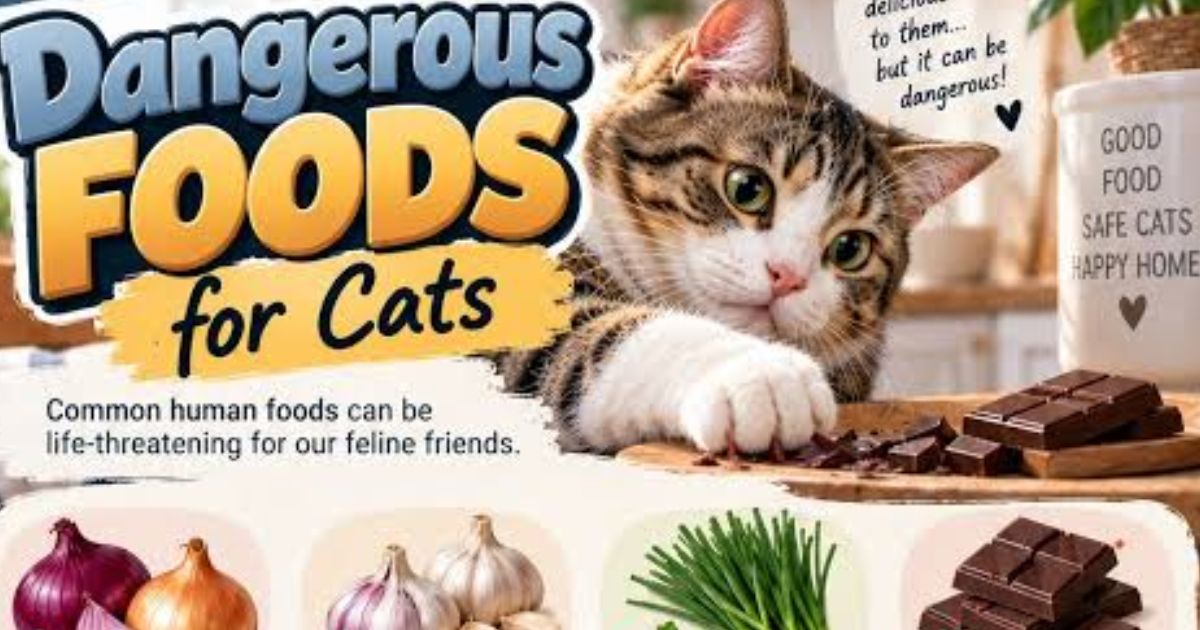
Ham, prawns, rum balls, pavlova and Christmas pudding: which Aussie festive foods are dangerous for cats, which are safe in small amounts, and what to do if your cat eats something it shouldn't.
An Australian Christmas table is a feast: glazed ham, a seafood platter, roast turkey with stuffing and gravy, pavlova, Christmas pudding with custard, rum balls and a box of chocolates. It's no surprise your cat wants to join in.
Advertisement
But many festive favourites are dangerous for cats. Some cause stomach upsets, some can lead to painful pancreatitis, and a few can poison a cat even in small amounts. Vets see a rise in emergency visits every December. Dr Lauren Stevens from UQ VETS at the University of Queensland describes the festive season as a time when emergency visits spike.
Below, we go through a typical Australian Christmas menu, course by course, and explain which foods are dangerous for cats, which are safe in small amounts, and what to do if your cat helps itself.
Quick answer: the most dangerous Christmas foods for cats
| Food | Why it's dangerous |
|---|---|
| Onions, garlic, chives and leeks (stuffing, gravy, sauces) | Damage red blood cells and can cause anaemia. Cats are more sensitive than dogs. |
| Chocolate, including rum balls and chocolate desserts | Contains theobromine, which can affect the heart and nervous system |
| Grapes, raisins and sultanas (Christmas pudding, fruit cake, mince pies) | Linked to kidney failure in cats |
| Alcohol (eggnog, rum balls, brandy custard, spilled drinks) | Effects are more severe in cats and can be life-threatening |
| Cooked bones (turkey, chicken, ham bone) | Can splinter, cause choking or block the intestines |
| Fatty ham, crackling and skin | Can cause vomiting, diarrhoea and pancreatitis |
| Dairy (custard, cream, ice cream) | Most adult cats are lactose intolerant |
Why cats are especially at risk
Cats are small, curious and good at reaching benchtops. A small amount of a toxic food can have a bigger effect on a 4 kg cat than on a large dog. Cats are also less tolerant of some toxins than dogs. Pet Poison Helpline, a US animal poison control service, notes that cats are more sensitive to onions, garlic and related plants than dogs.
Christmas makes things harder. There's more food around, more people, more distractions, and guests who may not know what's safe for cats.
Course by course: the Australian Christmas menu
Glazed ham
Ham is the centrepiece of many Australian Christmas tables, and one of the biggest risks.
- Fat and rind. RSPCA Tasmania warns that fatty foods such as pork crackling, sausages and fatty meats can cause vomiting, bloody diarrhoea and pancreatitis. Dr Stevens from UQ VETS describes pancreatitis as a painful and potentially life-threatening condition.
- The ham bone. Dr Leonie Richards, a vet at the University of Melbourne's U-Vet clinic, says a common Christmas mistake is giving pets the ham bone or fatty off-cuts. Cooked bones can cause intestinal blockages that need surgery.
- Glaze. Many glazes contain sugar, spices, alcohol or onion and garlic.
- Salt. Ham is very salty, which isn't good for cats.
Verdict: Keep ham, fat and bones away from your cat.
Roast turkey, chicken and stuffing
- Plain cooked meat is the safest option. Dr Richards says pets can have some meat from Christmas dinner, as long as there are no bones and no fat.
- Stuffing usually contains onion, garlic or herbs from the onion family. RSPCA Tasmania warns that onions and chives can damage red blood cells.
- Gravy is often made with onion, garlic, stock cubes and fat drippings.
- Skin is fatty and often seasoned.
- Cooked bones splinter easily and can cause choking or blockages.
Verdict: A small piece of plain, skinless, boneless turkey or chicken is fine. Skip the stuffing, gravy and skin.
The seafood platter
Prawns, oysters, crab and fish are an Aussie Christmas tradition, and cats love the smell.
- Plain cooked prawn meat or fish, without shells, bones or seasoning, is generally fine as a tiny treat for a healthy cat.
- Prawn shells, heads and tails are hard to digest and could cause choking or a blockage.
- Fish bones can get stuck in the mouth or throat.
- Sauces and dressings, such as garlic butter, seafood sauce and marinades, can contain onion, garlic, fat and alcohol.
- Seafood left out in the heat spoils quickly in an Australian summer and can upset a cat's stomach just as it can a person's.
Verdict: A small piece of plain, peeled, cooked seafood is OK. Bin the shells and leftovers in a sealed bin.
Onions, garlic and anything in the onion family
These deserve their own section, because they hide in so many Christmas dishes: stuffing, gravy, sauces, salad dressings, dips, quiches and party pies.
Pet Poison Helpline explains that onions, garlic, chives and leeks are all members of the Allium family and are poisonous to cats. Toxic amounts can damage red blood cells and lead to anaemia, as well as causing vomiting and diarrhoea. Its summary notes that signs of poisoning may be delayed, so a cat that seems fine after eating onion can still become unwell later.
Verdict: Never feed your cat anything containing onion, garlic, chives or leeks, including powders.
Christmas pudding, fruit cake and mince pies
These classic desserts are packed with dried fruit.
- Grapes, raisins and sultanas. Ontario SPCA warns that kidney failure can occur in cats that eat grapes and raisins. RSPCA Tasmania says even small amounts can be fatal in some cases. Dr Richards also lists sultanas and raisins among the foods that can be toxic to pets.
- Alcohol. Many puddings and fruit cakes are soaked in brandy or rum.
- Fat and sugar from butter and suet.
Verdict: Keep all dried fruit desserts away from your cat.
Chocolate and rum balls
Chocolate is everywhere at Christmas, in gift boxes, advent calendars, desserts and rum balls.
Ontario SPCA explains that chocolate contains theobromine, which is toxic to cats. Dark and baking chocolate are the most dangerous. Depending on how much a cat eats, effects can include an abnormal heart rhythm, tremors, seizures and even death. Dr Richards notes that chocolate is toxic to dogs and cats even in small amounts.
Rum balls are a double danger, combining chocolate with alcohol.
Cats are less likely than dogs to eat chocolate, but kittens and curious cats will try new things. Keep chocolate boxes and wrapped chocolates off the floor and away from under the Christmas tree.
Verdict: No chocolate in any form.
Pavlova, trifle, custard and cream
These are Australian Christmas favourites, but they're not cat food.
- Dairy. Ontario SPCA explains that cats become more lactose intolerant after weaning, so cream, custard and ice cream can cause stomach upsets.
- Sugar. Cats don't need sugar, and rich desserts can cause vomiting and diarrhoea.
- Alcohol. Trifle and brandy custard often contain alcohol.
- Chocolate or fruit toppings. Check the toppings for chocolate or grapes.
Verdict: Don't let your cat lick the bowl.
Drinks
- Alcohol. Ontario SPCA says the effects of alcohol are more severe in cats than in people and can be life-threatening. RSPCA Tasmania warns that alcohol can cause severe poisoning. Watch out for spilled drinks, unattended glasses and leftover eggnog.
- Coffee and caffeine. Ontario SPCA and RSPCA Tasmania both warn that caffeine can be dangerous for pets.
Verdict: Keep glasses out of reach and clean up spills straight away.
Summer fruit, nuts and snacks
- Stone fruit. RSPCA Tasmania warns that fruit pits, such as peaches, plums and persimmons, are a choking hazard and can block or damage the intestine. Mangoes and cherries are popular at Australian Christmas too, so bin the stones.
- Corn cobs. RSPCA Tasmania warns that corn cobs can cause intestinal blockages that may need surgery.
- Avocado. RSPCA Tasmania says avocado contains persin and shouldn't be fed to any pet.
- Salty snacks, chips and party food are often seasoned with onion and garlic powder.
Advertisement
The safe treat list
You don't have to leave your cat out of the celebrations. These treats are generally safe for healthy cats in small amounts:
- A small piece of plain cooked turkey or chicken breast, with no skin, bones, fat or seasoning
- A small piece of plain cooked fish, with all bones removed
- A small piece of plain cooked prawn meat, peeled
- Your cat's favourite cat treats
- A new toy, a box to play in, or a fresh catnip toy
Keep treats small. Treats should only be a tiny part of your cat's daily food. If your cat has a health condition or is on a special diet, ask your vet before giving any human food.
How to keep your cat safe at Christmas
- Feed your cat before guests arrive, so it's less tempted by the table.
- Brief your guests. Ask everyone, especially children, not to feed the cat from the table.
- Keep food covered and off benchtops when you're not watching.
- Clear the table quickly after meals, and don't leave plates on low tables.
- Use a bin with a secure lid, and take bones, seafood shells and fatty scraps outside to the wheelie bin.
- Give your cat a quiet room with its food, water, litter tray and bed during busy gatherings.
- Check under the tree. Don't put food gifts or chocolates under the Christmas tree.
- Watch the drinks. Don't leave glasses on the floor or low tables.
- Save emergency numbers in your phone before the holidays, including your vet and the nearest after-hours emergency vet.
Signs your cat may have eaten something dangerous
Watch for these signs over the hours and days after Christmas:
- Vomiting or diarrhoea, especially if it's repeated or bloody
- Not eating, or hiding more than usual
- Lethargy or weakness
- Drooling or pawing at the mouth
- A painful or swollen tummy
- Straining without passing anything
- Pale gums, fast breathing or a fast heart rate
- Wobbliness, tremors or seizures
- Drinking or weeing much more, or much less, than normal
Some poisonings, such as onion and garlic toxicity, may cause delayed signs. Contact your vet even if your cat seems fine. Our guide on how to tell if your cat is sick explains other signs to watch for.
What to do if your cat eats something dangerous
- Stay calm and remove any remaining food.
- Work out what and how much your cat ate, and when. Keep the packaging or recipe if you can.
- Call your vet, an emergency vet or the Animal Poisons Helpline straight away. The Animal Poisons Helpline is an Australian 24/7 service on 1300 869 738. Its consultants include former emergency vets and clinical pharmacists, and they can tell you if your cat needs to see a vet.
- Don't make your cat vomit unless a vet tells you to. RSPCA Tasmania warns this can cause more harm.
- Go to the vet if advised. Take the packaging with you.
Many vet clinics close or reduce hours over Christmas and New Year. Find your nearest after-hours emergency vet before the holidays start. Emergency treatment can be costly, so it's worth reading our guides to cat vet costs in Australia and whether cat insurance is worth it.
Other Christmas hazards to watch
Food isn't the only risk at Christmas:
- Lilies are extremely toxic to cats and common in Christmas bouquets. See our guide to lilies and cats.
- Tinsel, ribbon and string can cause serious intestinal damage if swallowed.
- Fairy light cords can be chewed.
- Hot weather can be dangerous, especially for older and flat-faced cats. Read our tips for keeping cats cool in summer.
Christmas food safety checklist
- [ ] Guests know not to feed the cat from the table.
- [ ] Ham, fat, skin and bones go straight into a sealed bin.
- [ ] Stuffing, gravy and anything with onion or garlic stays out of reach.
- [ ] Christmas pudding, fruit cake, mince pies and rum balls are out of reach.
- [ ] Chocolates aren't under the tree or on low tables.
- [ ] Drinks aren't left unattended, and spills are cleaned straight away.
- [ ] Seafood shells and leftovers are bagged and binned outside.
- [ ] My cat has a quiet room during busy gatherings.
- [ ] I've saved my vet's number, the nearest emergency vet and the Animal Poisons Helpline (1300 869 738).
Frequently asked questions
Can cats eat Christmas ham?
It's best not to. Ham is very fatty and salty, and RSPCA Tasmania warns that fatty foods can cause vomiting, diarrhoea and pancreatitis. Never give your cat a ham bone, since cooked bones can splinter and cause blockages.
Can cats eat turkey at Christmas?
A small piece of plain cooked turkey breast, with no skin, bones, fat, stuffing or gravy, is generally safe for a healthy cat. Dr Leonie Richards from the University of Melbourne says pets can have some Christmas meat, as long as there are no bones and no fat.
Can cats eat prawns?
A small piece of plain, peeled, cooked prawn meat is generally fine as an occasional treat. Avoid shells, heads and tails, and any prawns with garlic butter or sauces. Don't let your cat eat seafood that has been sitting out in the heat.
Is Christmas pudding dangerous for cats?
Yes. Christmas pudding contains raisins and sultanas, which Ontario SPCA says can cause kidney failure in cats. It often contains alcohol as well. Keep pudding, fruit cake and mince pies well away from your cat.
What should I do if my cat ate chocolate?
Call your vet or the Animal Poisons Helpline on 1300 869 738 straight away. Tell them what type of chocolate it was, how much your cat ate and when. Don't make your cat vomit unless a vet tells you to.
Is a little bit of gravy OK for cats?
No. Gravy is usually made with onion, garlic, stock cubes and fat. Pet Poison Helpline says cats are more sensitive than dogs to onions and garlic, which can damage red blood cells.
Can cats have cream or custard?
It's best to avoid them. Ontario SPCA explains that cats become more lactose intolerant after weaning, so dairy can upset their stomachs. Custard and cream may also contain alcohol or sugar.
Related guides
Sources
- RSPCA Tasmania, Make sure your pet has a pawsome Christmas
- University of Melbourne, Keeping pets safe in the festive season
- University of Queensland, Christmas cheer without the tears: keeping pets safe through the festive season
- Ontario SPCA, 8 foods that are harmful to cats
- Pet Poison Helpline, Onions, garlic, chives and leeks
- Animal Poisons Helpline, About us
This guide is general information only and is not a substitute for advice from your vet. If you think your cat has eaten something dangerous, contact a vet or the Animal Poisons Helpline immediately.
Advertisement