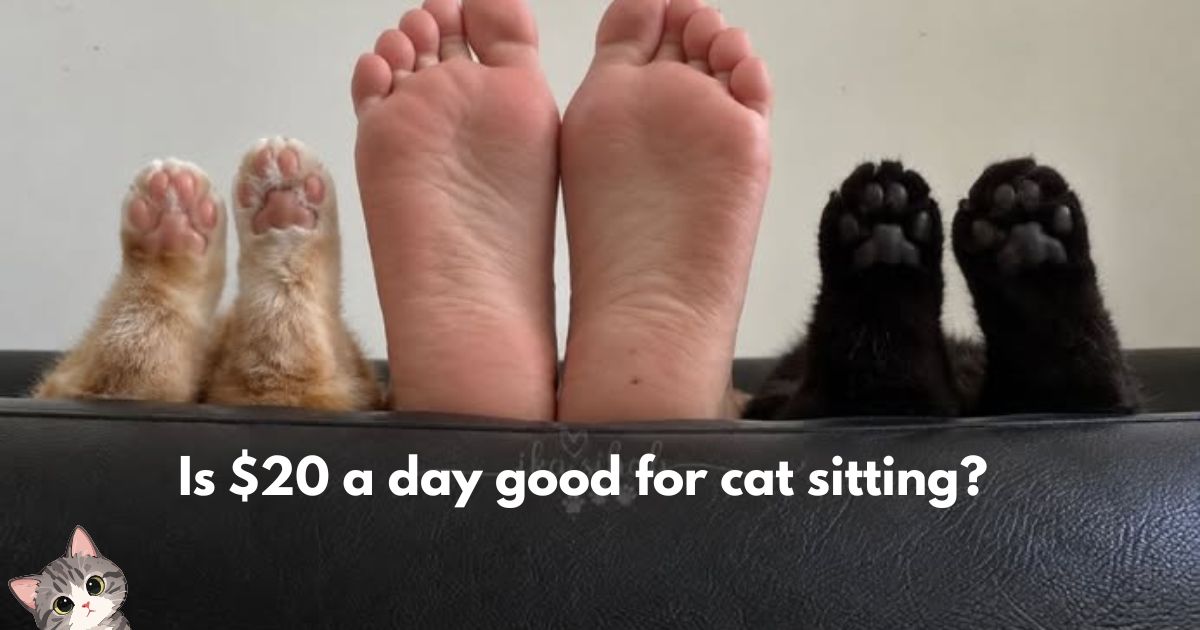
Cattery or cat sitter? Compare stress, safety, health and cost, see which option suits your cat's personality, and learn what Australian welfare groups recommend.
It's one of the biggest questions cat owners face before a trip. Should your cat stay at home with a sitter, or go to a boarding cattery?
Advertisement
There isn't one right answer for every cat. A confident young cat may cope well in a good cattery, while a shy or elderly cat may be much happier at home. The best choice depends on your cat's personality and health, how long you'll be away, and the quality of the care available to you.
This article compares both options, explains what Australian and international welfare organisations recommend, and gives you a simple way to decide.
What the experts say
Most cat welfare organisations lean towards keeping cats at home, with good care, when possible.
- RSPCA Australia notes that cats can become stressed by travel, transport and changes to their environment and routine. It describes a house or pet sitter as ideal for cats who prefer minimal changes to their environment and routine.
- Cats Protection, the UK's leading cat charity, describes keeping a cat in its own home as the safest and least unsettling option when you go on holiday, and says nervous cats are likely to prefer staying at home.
- Both say a good cattery can work well, as long as you choose carefully. RSPCA Australia says cats in a boarding facility should be safely contained and receive regular attention. RSPCA Australia also cautions that boarding may not suit cats that become stressed by other animals or unfamiliar environments.
Why cats often prefer to stay home
Cats are strongly attached to their territory. Their home is full of familiar smells, sounds and routines that help them feel safe. Leaving it means:
- A car trip, which Cats Protection notes many cats find stressful, even if they don't show it
- A new environment, with unfamiliar smells and noises
- Nearby cats and sometimes dogs, which can be unsettling
- New people handling them
- A different routine for meals and sleep
For many cats, staying home with a reliable sitter avoids all of these stresses.
Option 1: leaving your cat at home with a sitter
Advantages
- Least disruption. Your cat keeps its territory and routine.
- No travel stress.
- No contact with unfamiliar cats, which reduces the risk of picking up infections.
- Multi-cat homes stay together.
- Your home looks occupied, which can help with security.
Disadvantages
- Time alone. With drop-in visits, your cat may be alone for most of the day and all night. If something goes wrong, it may not be noticed for hours.
- Escape risk. A sitter unfamiliar with your home might accidentally let your cat out.
- Reliability matters. A missed visit can leave your cat without food, water or a clean litter tray.
- Trust. You need someone you trust with your home and keys.
Making home care work
RSPCA Australia recommends at least two visits a day from a neighbour, friend or professional sitter, to feed your cat, clean the litter and provide company and enrichment. Cats Protection adds that very young or elderly cats and cats with health conditions may need more frequent visits.
For longer trips, or cats that need company, a live-in house sitter offers the comfort of home with someone there overnight.
Option 2: boarding your cat in a cattery
Advantages
- Daily supervision. Staff check on every cat, and good catteries notice early signs of illness.
- Secure housing. Your cat can't escape or wander.
- Medication and special diets are often handled well by experienced cattery staff.
- Vet arrangements. In New South Wales and Victoria, boarding codes of practice require catteries to have arrangements with vets.
- Good for longer trips, when a cat would otherwise spend a lot of time alone.
Disadvantages
- Stress from travel, new surroundings and nearby animals.
- Infection risk from being around other cats, which is why vaccinations are required.
- Peak-season availability. Popular catteries can book out months ahead for Christmas and school holidays.
- Some cats stop eating in a new environment. The NSW boarding code asks catteries to monitor new arrivals' eating for the first three to four days.
Choosing a good cattery
Cats Protection suggests looking for:
- A licensed or properly registered business
- Double doors or a safety corridor to prevent escapes
- Cats housed separately from other cats, with space between pens so they can't see each other
- Pens that are insulated or heated, easy to clean and with clean bowls
- Staff who can give any medication your cat needs
In Australia, the NSW and Victorian boarding codes also require cats to be housed away from dogs, and require proof of vaccination against feline infectious enteritis and feline respiratory disease before admission.
Which option suits your cat?
Your cat is probably better at home if it:
- Is shy, nervous or easily stressed
- Hides from visitors
- Hates the carrier or car
- Is elderly and settled in its routine
- Has a chronic health condition that's stable and easily managed at home
- Lives with other cats it's bonded to
- Doesn't get on with other cats
Your cat may do well in a cattery if it:
- Is confident and adaptable
- Copes well with car trips
- Needs frequent medication or close monitoring
- Is a kitten or young cat likely to get into trouble alone at home
- Would otherwise be alone for long periods
- Has stayed happily in a cattery before
When to ask your vet
Talk to your vet before deciding if your cat:
- Is elderly or has kidney, heart or thyroid disease
- Has diabetes or needs insulin injections
- Has recently had surgery
- Has a history of not eating when stressed
- Has had urinary problems, which can flare up with stress
Comparing the options side by side
| Factor | At home with a sitter | Boarding cattery |
|---|---|---|
| Stress from change | Low | Moderate to high for some cats |
| Travel required | No | Yes |
| Contact with other cats | None | Nearby, but housed separately |
| Supervision | During visits, or overnight with a house sitter | Daily checks by staff |
| Escape risk | Possible if the sitter isn't careful | Low with secure facilities |
| Medication | Depends on the sitter's experience | Often well managed |
| Best for | Nervous, older or multi-cat households | Confident cats, medical needs, long trips |
| Cost | Varies with the number of visits | Per night, often with peak loadings |
For a breakdown of prices, see our guide to how much a cat sitter costs in Australia.
Signs your cat is stressed
Watch for these signs, whether in a cattery, with a sitter or after you return. Tell your sitter or cattery about them too, so they know what to look for.
Advertisement
- Not eating, or eating much less than usual
- Hiding for long periods and refusing to come out
- Over-grooming, sometimes leaving bald patches
- Changes in litter habits, such as weeing outside the tray
- Excessive meowing or unusual vocalising
- Aggression or swatting when approached
- Vomiting or diarrhoea
A cat that hasn't eaten for a day, or that is straining to urinate, needs a vet promptly. Male cats that can't pass urine need emergency care.
A five-question decision checklist
Answer these five questions to point you in the right direction:
- Does my cat cope well with car trips and new places? If no, lean towards home care.
- Does my cat need medication or close monitoring? If yes, lean towards an experienced cattery or a live-in sitter.
- Will I be away for more than a week? If yes, consider a live-in sitter or a cattery rather than drop-in visits alone.
- Do I have a reliable sitter who can visit at least twice a day? If no, a good cattery may be safer.
- Do I have more than one cat? If yes, home care keeps them together and may cost less.
If your answers point both ways, talk to your vet, and consider a short trial stay at a cattery, or a trial weekend with a sitter, before a longer trip.
How long can you leave a cat with only sitter visits?
There's no set limit, but think about:
- Your cat's age and health. Healthy adult cats generally cope better than kittens or seniors.
- How many visits a day. RSPCA Australia recommends at least two.
- The weather. Australian heatwaves can be dangerous. Make sure your sitter can visit more often in hot weather and that your cat has cool rooms and several water bowls. Read our guide to keeping cats cool in an Australian summer.
- Your cat's need for company. Some cats become lonely or stressed when alone for long periods.
For longer trips, a live-in house sitter or a good cattery may be a better choice than drop-in visits.
What about leaving your cat with a friend?
RSPCA Australia lists staying with a trusted friend or relative as another option. If your cat goes to someone else's home:
- Keep your cat indoors, since a cat in unfamiliar territory may try to find its way back home.
- Watch closely for signs of stress or illness, since a change of surroundings can stress cats and worsen existing health problems.
- Arrange a trial visit first, as RSPCA Australia suggests, to check the setup suits your cat.
Should you take your cat on holiday?
RSPCA Australia says it's usually not feasible to take your cat on holiday, because cats can become stressed by travel, transport and changes in their environment and routine. For most cats, staying home with a sitter or going to a good cattery is the better choice.
Preparing your cat, whichever you choose
RSPCA Australia recommends that before you leave:
- Your cat is registered and microchipped, with your contact details up to date
- Your cat wears a tag with current contact details, if it's comfortable with a collar
- You schedule a health check, especially for older cats
- You give your carer your vet's details
- You leave plenty of food, litter and medication, with extra in case you're delayed
For a cattery, also check your cat's vaccinations, worming and parasite treatment are current.
Settling back in after your trip
After a cattery stay, give your cat a quiet room with food, water, a litter tray and familiar bedding, and let it settle at its own pace. If you have other cats, reintroduce them slowly, since the returning cat may smell unfamiliar.
After time at home with a sitter, your cat may be clingy or a little aloof for a day or two. Both are normal. Watch for changes in eating, drinking or litter habits, and see your vet if your cat isn't eating or seems unwell.
Frequently asked questions
Is it cruel to put a cat in a cattery?
No. A well-run cattery provides safe, clean housing and daily care. Some cats find it stressful, though, so choose carefully and consider your cat's personality. For nervous cats, a home sitter is often kinder.
Do cats get lonely when left at home?
Some do. Cats vary in how much company they need. Two or more sitter visits a day, with time for play and attention, helps. For long trips or very social cats, a live-in sitter may be better.
Can I leave my cat alone for a weekend?
It isn't recommended to leave a cat with no one checking in. Even for a short trip, RSPCA Australia advises arranging care, with a sitter visiting at least twice a day.
Will my cat forget me if I go away?
No. Cats may be aloof or extra affectionate when you return, but they recognise their owners. Give your cat time to settle back into its routine.
What's best for an elderly cat?
Many elderly cats prefer staying at home, where their routine is familiar. But if your cat needs frequent medication or close monitoring, a cattery with experienced staff, or a live-in sitter, may be safer. Ask your vet.
Can I board two cats together?
Often, yes, if they're from the same household and get along. The NSW boarding code allows compatible cats from the same household to share, and the Victorian code allows sharing in walk-in modules if the owner agrees in writing. Ask the cattery about its rules and whether a larger pen is available. Some bonded cats are calmer together, while others prefer their own space in a new place.
City guides
Sources
- RSPCA Australia Knowledgebase, Can I take my cat with me when I go on holiday?
- RSPCA Australia, How to plan for your pets if going away over the holidays
- Cats Protection, Going on holiday
- NSW Department of Primary Industries, Code of Practice No 5: Dogs and cats in animal boarding establishments
- Agriculture Victoria, Code of Practice for the Operation of Boarding Establishments
This article is general information only. Talk to your vet about what's best for your cat's health.
Advertisement