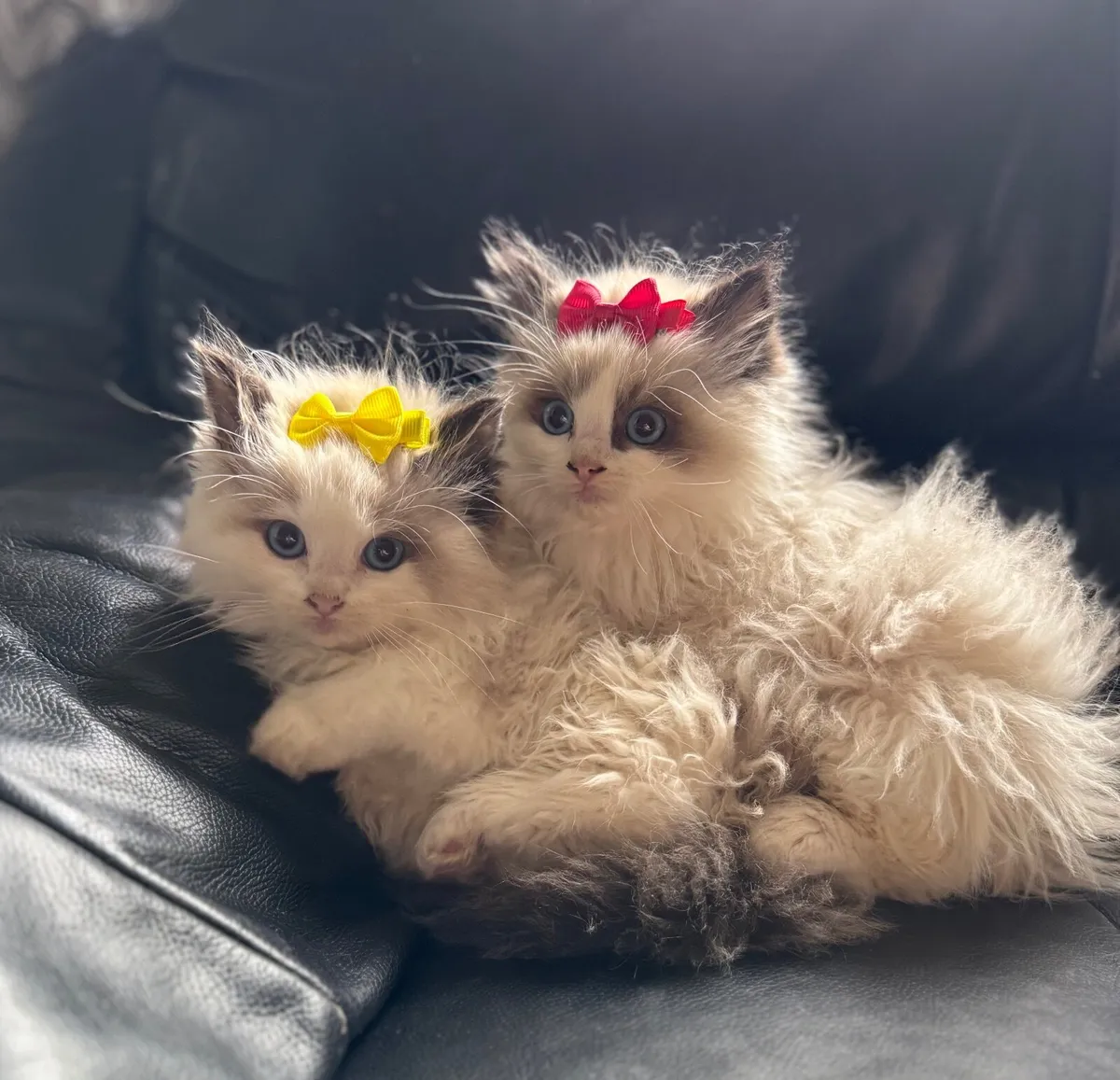
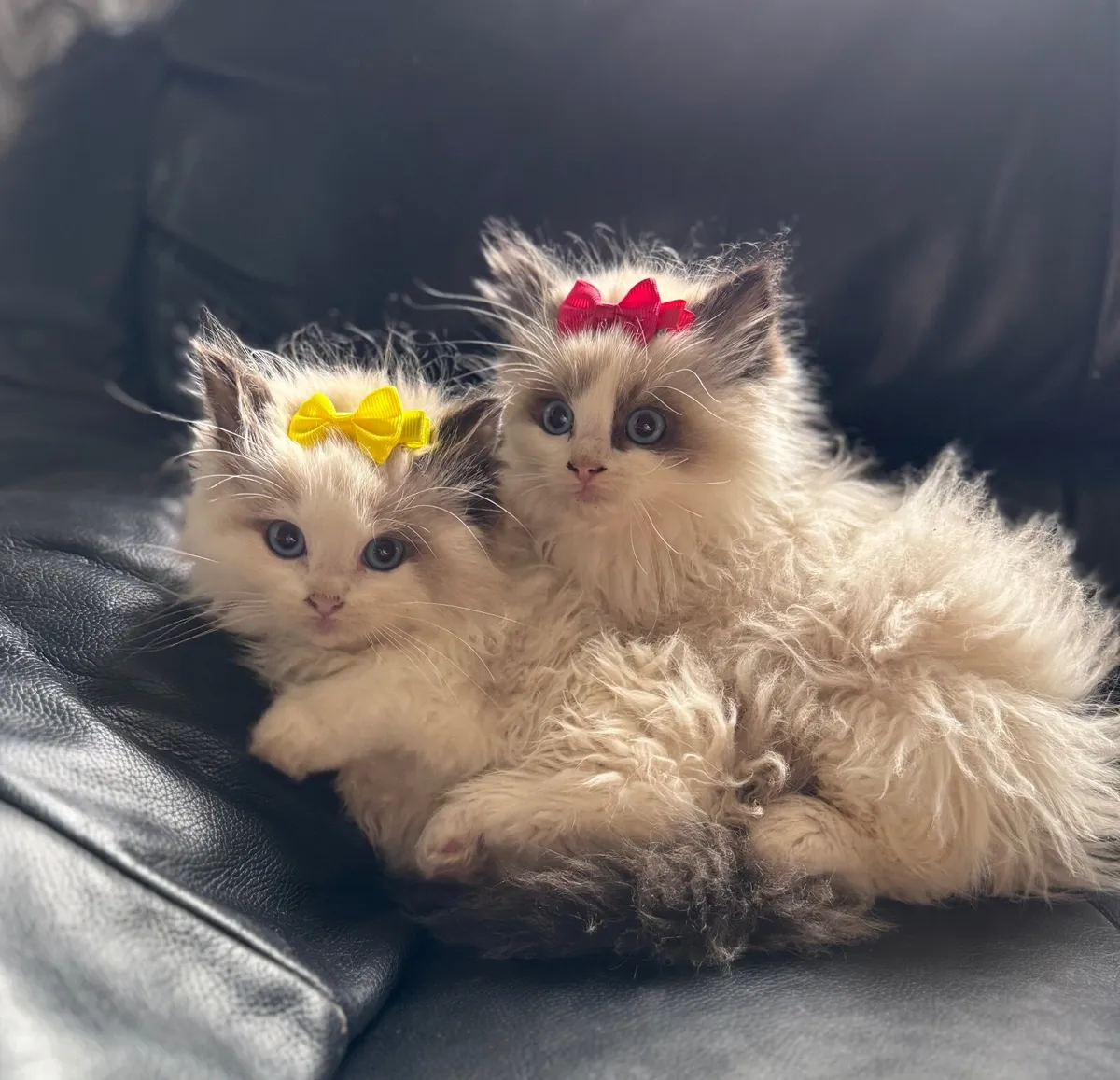
Why Are Ragdoll Cats So Expensive? A Breeder Explains the Real Costs Why are Ragdoll cats expensive? If you're thinking about bringing home a Ragdoll kitten or even stepping into the world of...
Why Are Ragdoll Cats So Expensive? A Breeder Explains the Real Costs
Why are Ragdoll cats expensive? If you're thinking about bringing home a Ragdoll kitten or even stepping into the world of breeding you’ve probably noticed the price tag is… substantial. These fluffy, dog-like beauties are adored around the world, but that demand is only one small part of the equation. Ragdolls are expensive because they are a relatively new and highly sought-after breed, but the real reason comes down to what it takes to responsibly breed healthy, well-socialised, pedigreed kittens. Behind every “cute kitten photo” is a long list of costs, risks, and responsibilities that most people never see. Let’s break down exactly where your money goes when you buy a Ragdoll and why good breeders don’t get rich doing it.Top 5 Reasons Why Ragdoll Cats Are So Expensive
- Breeding Rights & Reputable Lineage Are Not Free
- Buildings, Equipment & Supplies Add Up Quickly
- Loss Prevention & Medical Care Are Costly
- Labour, Time & Caregiver Compensation
- Administrative & Exhibition Costs
1. Breeding Rights & High-Quality Lineage
If you're buying a Ragdoll to breed, you’ll need breeding rights from a recognised registry such as TICA or CFA. Without these rights, any kittens born cannot be sold as purebred. Reputable breeders invest heavily in their breeding cats:- Many breeding-quality Ragdolls cost $5,000+ each
- Breeding cats must be tested, vetted, fed premium diets, and often shown in competition
- Litters must be registered, pedigrees produced, and paperwork maintained
2. Buildings, Equipment & Supplies Add Up
Running a responsible cattery isn’t as simple as putting a few cats in a spare room. Breeders must invest in:Cattery space
- Clean, ventilated, climate-controlled areas
- Vertical and horizontal space to prevent stress and fights
- Adequate isolation rooms for new arrivals or sick kittens
- Proper enclosures, kennels, and safe birthing areas
Equipment & supplies
A small portion of what serious breeders keep on hand:- Raw food or high-quality diets
- Litter, boxes, training systems
- Milk replacer & feeding tubes
- Nebulisers, incubators, oxygenators
- Flea treatment, dewormer, antibiotics
- Vaccines
- Grooming tools
- Water fountains, trees, beds, toys
- Medical supplies
- Cleaning & sanitising equipment
- Carriers, travel gear, show gear
3. Loss Prevention & Veterinary Costs
Even with perfect care, loss happens. Breeders deal with:- Upper respiratory infections
- Congenital issues
- Emergency surgeries
- Complications during pregnancy
- Kitten illnesses that require round-the-clock care
4. Employee Compensation & Breeder Labour
Most breeders run their catteries alone or with minimal help. But the hours? Enormous. Raising a litter takes:- Middle-of-the-night births
- Weeks of bottle-feeding
- Cleaning constantly
- Socialising kittens
- Monitoring health around the clock
- No holidays, no weekends away, no “clocking off”
- Food
- Housing
- Medical care
- Supplies
- Stud fees
- Emergencies
- Admin costs
- Travel
- Website and marketing
- Taxes
5. Administrative & Show Costs
Breeding isn’t just cats it’s paperwork.- TICA registration fees
- Kitten registration
- Pedigrees ($50 each)
- Corrections, transfers, rush fees
- Breeder directory listings
- Case fees
- Software subscriptions
- Website hosting
- Accounting services
So… How Expensive Is a Ragdoll Cat Really?
Most Ragdoll kittens fall between:$1,800 – $4,000 (pet-quality)
$5,000+ (breeding-quality)
If a Ragdoll lives an average of 14 years, the cost works out to:
Advertisement
$128 – $285 per year
For a loving, gentle, healthy companion with breeder support, that cost is more than reasonable.
Advertisement
#Ragdoll
#Cat Breeds
🐱
Looking for a cat in Australia?
Browse cats and kittens for sale near you — 100% free listings.