What to do with a dog that kills animals?
Having a dog that kills animals can be a distressing and challenging situation for any pet owner. Whether it's small wildlife, birds, or even other pets, such behavior can not only cause harm to innocent creatures but also create legal and social problems for the owner. If you find yourself grappling with such a situation, it's essential to address it promptly and responsibly. This article will explore the reasons behind this behavior, effective strategies to manage and modify it, and the importance of seeking professional help when necessary.
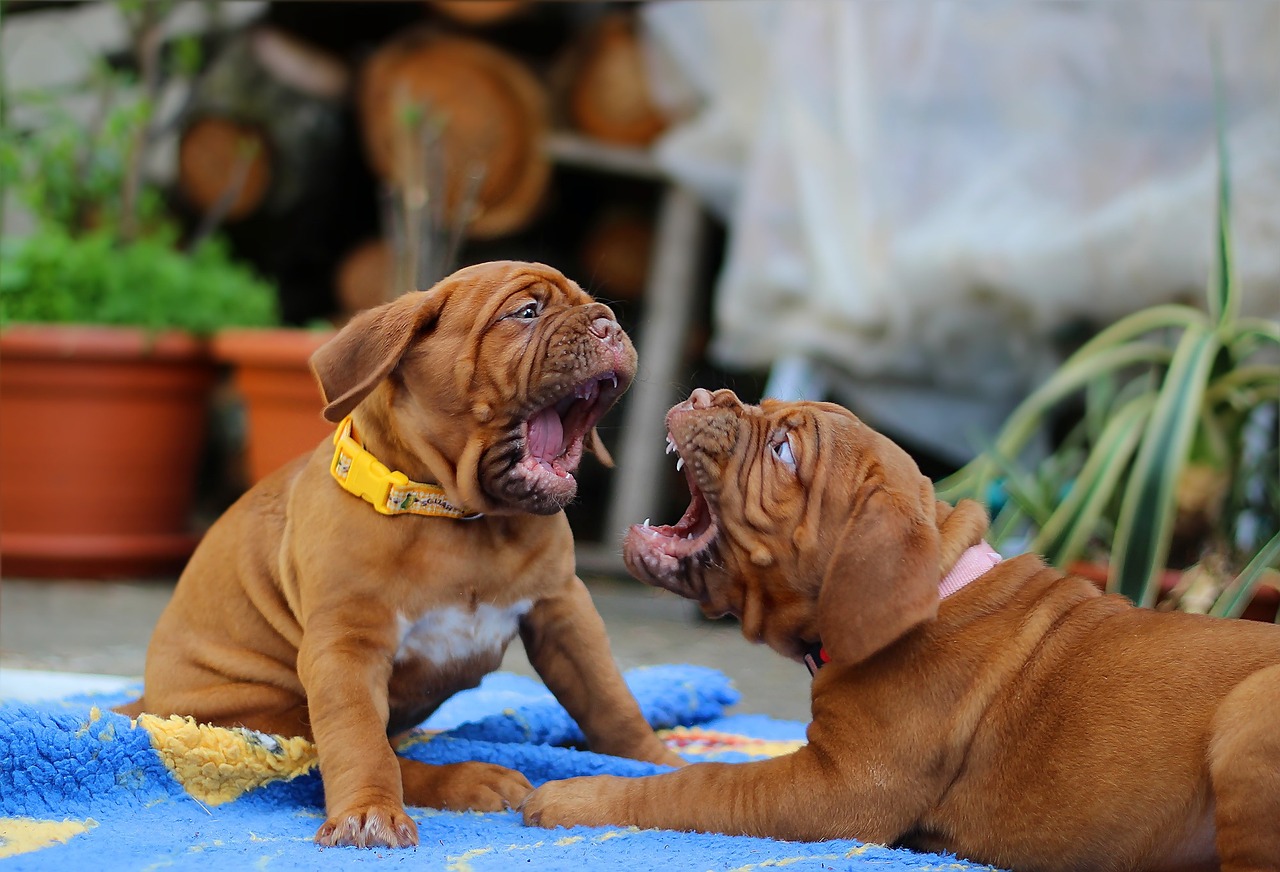
 What to do with a dog that kills animals?[/caption]
Having a dog with a prey drive strong enough to harm animals is a challenging situation that requires patience, understanding, and responsible action. By acknowledging the instinctual basis of this behavior and taking proactive steps such as supervision, training, and environmental modifications, you can address the issue effectively. Remember that seeking professional help is never a sign of failure but a responsible choice to ensure the safety and well-being of your dog and the surrounding wildlife. With dedication and proper guidance, you can transform your dog into a well-behaved and content companion.
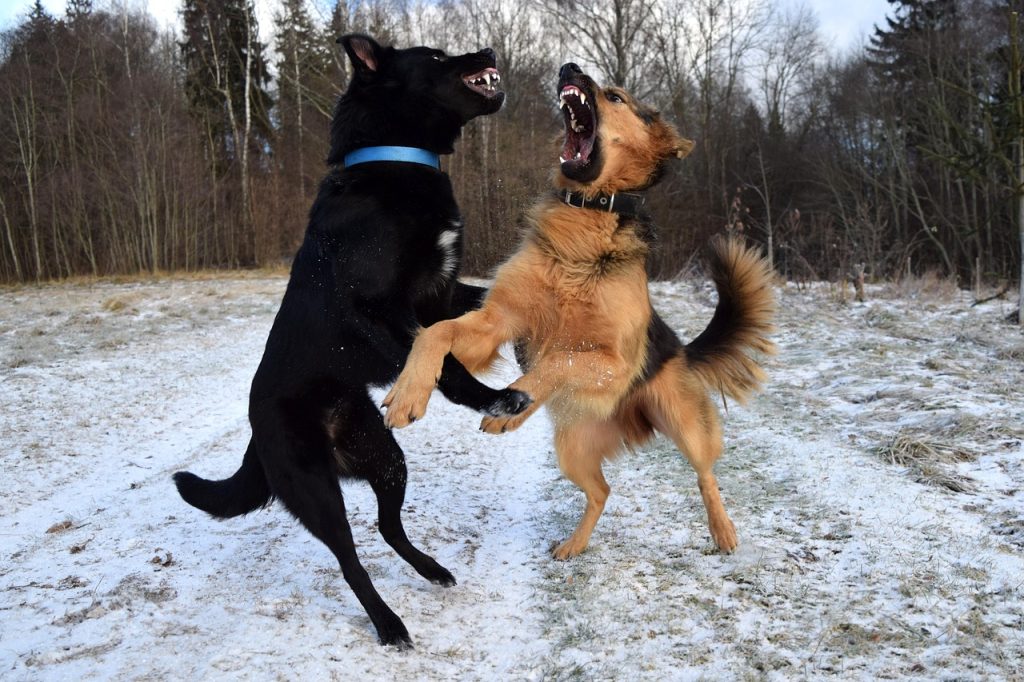
What to do with a dog that kills animals?[/caption]
Having a dog with a prey drive strong enough to harm animals is a challenging situation that requires patience, understanding, and responsible action. By acknowledging the instinctual basis of this behavior and taking proactive steps such as supervision, training, and environmental modifications, you can address the issue effectively. Remember that seeking professional help is never a sign of failure but a responsible choice to ensure the safety and well-being of your dog and the surrounding wildlife. With dedication and proper guidance, you can transform your dog into a well-behaved and content companion.
Understanding the Instinctual Basis
It's vital to recognize that dogs are descendants of wolves, and some breeds still retain strong predatory instincts. These instincts are hardwired in their DNA and can lead them to chase, hunt, and sometimes kill small animals. The behavior is not necessarily due to a dog being aggressive but rather a manifestation of their natural instincts.1. Assessing the Severity of the Behavior
The first step in dealing with a dog that kills animals is to assess the severity of the behavior. Is this a one-time occurrence, or has it become a recurring issue? Understanding the frequency and circumstances surrounding the incidents will help determine the appropriate course of action. Take note of any triggers, such as specific wildlife or locations where the behavior is more common.2. Supervision and Leash Control
One of the easiest ways to prevent further harm is to keep your dog on a leash and under close supervision when outdoors. This measure is especially crucial if you live in an area with abundant wildlife or have encountered problems with neighborhood cats or small dogs. By keeping your dog on a leash, you have better control over their actions and can intervene immediately if they show signs of chasing or attempting to hunt.3. Training and Socialization
Training and socialization play a vital role in managing a dog's behavior towards other animals. Start by enrolling your dog in obedience training classes to reinforce basic commands such as "sit," "stay," and "leave it." Gradually expose your dog to other animals in controlled settings, rewarding positive interactions and redirecting negative behaviors. Early socialization can help them become more accustomed to other animals and reduce the likelihood of aggressive tendencies.4. Identify Triggers and Desensitization
Identifying the triggers that prompt your dog's predatory behavior is crucial for effective intervention. It could be the sight or sound of certain animals, scents, or even specific environments. Once you have identified these triggers, consider desensitization techniques. Work with a professional dog trainer to create positive associations with the triggers, gradually reducing their intensity and, consequently, your dog's reactive behavior.5. Environmental Modifications
Make necessary changes to your environment to prevent your dog from accessing areas where wildlife or other animals are prevalent. Fencing your yard with appropriate height and materials can help keep small animals out and prevent your dog from chasing or attacking them. Additionally, avoid leaving food or water outside unattended, as it may attract wildlife and encourage predatory behavior.6. Engaging in Mental and Physical Stimulation
Dogs engaging in undesirable behaviors may benefit from increased mental and physical stimulation. Ensure your dog receives regular exercise and playtime to channel their energy into more positive outlets. Puzzle toys, interactive games, and long walks can tire them out and reduce their focus on hunting behaviors.7. Seek Professional Help
If your dog's behavior persists despite your efforts, or if you feel overwhelmed and unsure of how to proceed, do not hesitate to seek professional help. Consult a certified dog behaviorist or a veterinarian with experience in behavior modification. They can conduct a thorough assessment of your dog's behavior, provide tailored advice, and design a comprehensive behavior modification plan. [caption id="attachment_1054" align="alignright" width="1024"] What to do with a dog that kills animals?[/caption]
Having a dog with a prey drive strong enough to harm animals is a challenging situation that requires patience, understanding, and responsible action. By acknowledging the instinctual basis of this behavior and taking proactive steps such as supervision, training, and environmental modifications, you can address the issue effectively. Remember that seeking professional help is never a sign of failure but a responsible choice to ensure the safety and well-being of your dog and the surrounding wildlife. With dedication and proper guidance, you can transform your dog into a well-behaved and content companion.🐱
Looking for a cat in Australia?
Browse kittens and cats for sale near you — 100% free listings.