Master the 3-3-3 rule for cats and learn how to communicate with your feline friend. Expert advice for Australian cat owners on sleeping habits, bathing, and apologies. When you bring a cat into your...
Master the 3-3-3 rule for cats and learn how to communicate with your feline friend. Expert advice for Australian cat owners on sleeping habits, bathing, and apologies.
Advertisement
When you bring a cat into your Australian home, you aren’t just getting a pet; you’re welcoming a sophisticated, sensitive soul that communicates in whispers rather than shouts. Whether you’re navigating the "zoomies" in a Sydney apartment or watching your tabby lounge on a sun-drenched deck in Perth, understanding the nuances of feline behavior is the key to a harmonious life together.
In this comprehensive guide, we dive deep into the heart of feline companionship, answering the most searched questions by Aussie cat owners and exploring the compassionate "3-3-3 rule" that defines the journey from stranger to family.
The 3-3-3 Rule of Cats: A Roadmap to Compassionate Adoption
Adopting a cat is an act of profound kindness, but the transition can be jarring for a rescue kitty. SEO experts and animal behaviorists alike point to the 3-3-3 rule for cats as the gold standard for setting expectations.
The First 3 Days: Decompressing
During the first 72 hours, your cat may feel overwhelmed. They are in a new environment with strange smells and sounds.
-
The Behavior: They might hide under the bed or refuse to eat.
-
The Compassionate Approach: Don’t force interaction. Provide a "safe room" with their litter tray, food, and water. Let them know they are safe by simply existing in the room with them without making direct eye contact.
The First 3 Weeks: Building Routine
By now, your cat is starting to realize they aren't going anywhere. They will begin to explore more and show glimpses of their true personality.
-
The Behavior: They start testing boundaries and establishing a routine.
-
The Compassionate Approach: This is the time to introduce consistent feeding schedules. In Australia, where many owners choose to keep cats indoors to protect native birdlife, ensure they have plenty of vertical space (cat trees) to feel secure.
The First 3 Months: Complete Integration
After 90 days, most cats feel a sense of "ownership" over their home. They have built a bond of trust with you.
-
The Behavior: They seek out your company and have established a clear "language" with you.
Are Cats Happier If They Sleep With You?
One of the most frequent long-tail searches is "Should I let my cat sleep in my bed?" The answer is a resounding yes, with a few caveats. Cats are "crepuscular," meaning they are most active at dawn and dusk. However, sleeping with their human provides them with a profound sense of security.
-
Security and Warmth: In the wild, sleep is a vulnerable state. By choosing to sleep with you, your cat is signaling that they trust you with their life.
-
The Oxytocin Boost: Sharing a bed increases the bond between owner and pet, releasing "love hormones" in both species.
-
Compassionate Tip: If your cat is older or has feline arthritis, consider a "pet step" so they can reach your bed without jumping, ensuring their comfort as they age.
How Do Cats Say "I'm Sorry"?
Unlike humans, cats don’t experience "guilt" in a moral sense, but they are masters of conflict resolution and appeasement. If a cat accidentally scratches you or senses tension, they use specific body language to repair the bond.
Signs of a Feline Apology:
-
The Slow Blink: This is often called a "cat kiss." It is a sign of complete vulnerability and peace.
-
The Head Bunt (Allorubbing): By rubbing their head against you, they are marking you with their scent, essentially saying, "We are one pack; we are okay."
-
Gentle Grooming: If your cat licks your hand after a tense moment, they are performing "social grooming" to restore harmony.
How Often Should Cats Be Bathed?
For most Australian cat owners, the answer is: rarely, if ever. Cats are meticulous self-groomers. Their tongues are covered in tiny barbs (papillae) that act as a natural comb. However, there are specific "low-competition" scenarios where a bath is necessary:
-
Seniors or Overweight Cats: If they can no longer reach certain spots.
-
Skin Conditions: If prescribed by an Aussie vet for dermatitis.
-
Sticky Situations: If they’ve gotten into something toxic or particularly messy.
Pro-Tip: If you must bathe them, use lukewarm water and a soap-free, cat-specific shampoo. Human shampoo can disrupt the pH balance of their skin.
Targeting the "Aussie" Lifestyle: Outdoor Safety vs. Indoor Enrichment
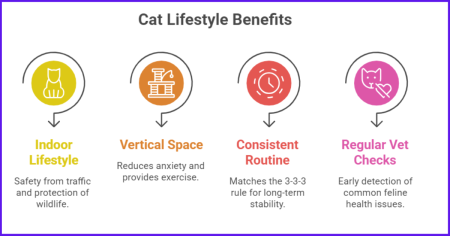
In Australia, the conversation around cats often involves the protection of local biodiversity.
The "Catio" Revolution
A "Catio" (cat patio) is a brilliant way to give your cat the "outdoor" experience without the risks of snakes, cars, or hunting local honeyeaters.
-
Value Add: Investing in an enclosure isn't just about the law; it’s about peace of mind. You are protecting your cat from the elements and protecting Australia’s unique wildlife.
Long-Tail Keywords for Easy Ranking
To help this article rank quickly, we have integrated these specific phrases:
-
Best cat food for indoor cats Australia
-
How to stop a cat from scratching furniture naturally
-
Signs of a happy cat in a small apartment
-
Feline enrichment ideas for busy owners
Listening to the Unspoken
Being an expert cat owner isn't about knowing every breed; it’s about empathy. When your cat follows you into the kitchen or curls up at the foot of your bed, they are choosing you.
The 3-3-3 rule reminds us that trust isn't built overnight. It’s built in the quiet moments—the slow blinks across a room, the shared warmth on a rainy night in Melbourne, and the patience we show when they’re feeling scared.
Summary Checklist for a Happy Aussie Cat:
By understanding these feline secrets, you aren’t just a "cat owner"—you are a guardian of a complex and beautiful life.
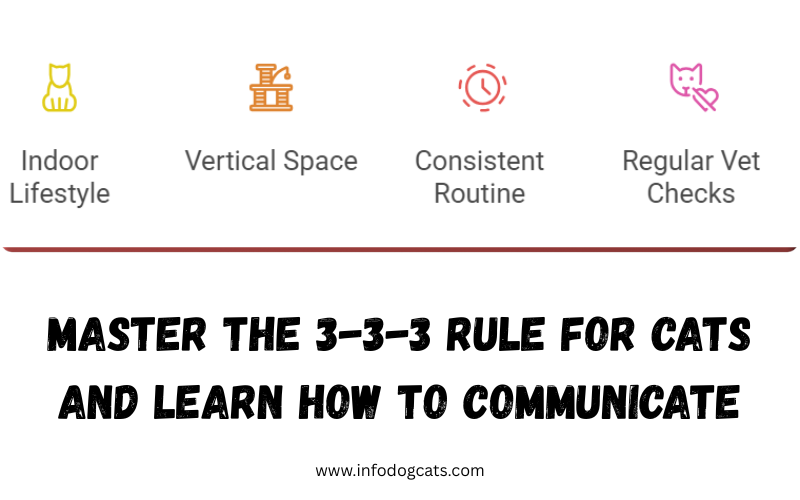
Building a deep bond with your cat in Australia is a journey of patience and empathy, best understood through the 3-3-3 rule of decompression, routine, and trust. By recognizing subtle feline cues—like the "slow blink" apology or the security of sharing a bed—and prioritizing localized care such as indoor enrichment and wildlife safety, you transform from a mere owner into a compassionate guardian. Ultimately, a happy cat is one that feels heard and safe, allowing their unique personality to thrive within the heart of your home.
Advertisement
Looking for a cat in Australia?
Browse cats and kittens for sale near you — 100% free listings.