
Discover 8 common mistakes cat owners make that can damage a cat’s emotional well-being, routine, and trust and how to prevent them. Why Emotional Well-Being Matters Just as Much as Physical Health A...
Discover 8 common mistakes cat owners make that can damage a cat’s emotional well-being, routine, and trust and how to prevent them.
Advertisement
Why Emotional Well-Being Matters Just as Much as Physical Health
A cat’s health is not confined to glossy fur, bright eyes, and a healthy appetite. Beneath that composed exterior lies a delicate emotional architecture. While veterinary care often focuses on vaccinations, diet, and disease prevention, emotional stability is equally indispensable. Cats are creatures of internal equilibrium. When their psychological state is disturbed, the consequences are rarely dramatic at first. Instead, distress appears in subtle shifts withdrawal, irritability, altered grooming habits, or disrupted sleep. These signals are easily dismissed. They should not be. Chronic stress in cats can precipitate tangible physical ailments. Digestive upset, urinary complications, overgrooming, and immune suppression frequently trace back to sustained anxiety. The body and mind operate in concert. To neglect one is to imperil the other. True stewardship requires attentiveness not only to visible symptoms but also to the quiet erosion of a cat’s emotional confidence.Understanding the Sensitive Nature of Domestic Cats
Domestic cats may appear self-contained, even aloof. This perception is misleading. Beneath their dignified composure resides an acutely perceptive animal shaped by both predator and prey instincts. A cat’s sensory faculties are extraordinarily refined. They detect faint vibrations, minute changes in scent, and subtle alterations in routine. What humans consider trivial a rearranged chair, a new household fragrance, a raised voice can register as a significant disturbance. Furthermore, cats are deeply territorial. Territory provides more than physical space; it offers predictability and psychological safety. When that territory feels compromised, insecurity follows. Unlike dogs, who often seek overt reassurance, cats internalize stress. They retreat, they observe, and they remember. Their emotional memory is formidable. Repeated negative experiences forced handling, unpredictable discipline, chaotic environments can imprint lasting wariness. Trust, once fractured, is not easily restored. Understanding this sensitivity is not sentimentalism. It is realism.The Responsibility of Thoughtful, Informed Cat Ownership
Owning a cat is not a casual undertaking. It is a long-term covenant. The responsibility extends beyond providing food and shelter; it encompasses the cultivation of a stable and respectful environment. Thoughtful ownership begins with education. One must understand feline communication, behavioral norms, and stress indicators. It requires patience, restraint, and measured responses rather than impulsive reactions. Discipline rooted in frustration, inconsistency in daily routines, or disregard for natural behaviors can gradually diminish a cat’s spirit. Conversely, predictability and gentle handling foster security. A conscientious owner recognizes that cats do not thrive under authoritarian control. They flourish under steady, dignified guidance.
Ignoring a Cat’s Need for Stability and Routine
Few missteps are as detrimental as disregarding a cat’s reliance on routine. Stability is the scaffolding upon which feline confidence is built. Cats structure their days around predictable events feeding times, periods of play, and intervals of rest. These patterns offer reassurance. When routines become erratic, the cat’s sense of control diminishes. An unpredictable household fosters vigilance. Vigilance, when prolonged, evolves into chronic stress. A cat that cannot anticipate its environment may become withdrawn or hyperreactive. Neither condition reflects contentment. Routine is not rigidity. It is reliability.How Sudden Changes in Environment Create Anxiety
Abrupt environmental shifts can be profoundly unsettling for a cat. A move to a new home, the introduction of unfamiliar scents, or the arrival of new household members alters the perceived security of territory. Cats map their surroundings with precision. They memorize pathways, resting places, and vantage points. When these elements change without gradual acclimation, the internal map becomes obsolete. Disorientation ensues. Even temporary changes guests staying overnight or unfamiliar animals visiting can provoke defensive behaviors. Hiding, decreased appetite, or increased vocalization often follow. A gradual approach mitigates such distress. Slow introductions, preserved familiar objects, and consistent reassurance allow the cat to recalibrate without feeling besieged.The Hidden Stress of Moving Furniture, Renovations, and Loud Noise
Seemingly mundane household activities can produce disproportionate anxiety in cats. Rearranging furniture alters established territory. Renovations introduce unfamiliar odors, vibrations, and abrupt noises. Loud music or raised voices reverberate through a cat’s heightened auditory system. To human sensibilities, these disruptions may be temporary inconveniences. To a cat, they represent instability. The environment no longer conforms to expectation. Construction sounds, in particular, can trigger a stress response. The persistent clamor of drilling or hammering mimics environmental threat. Without access to a quiet refuge, a cat may remain in a sustained state of alarm. Providing a secluded sanctuary quiet, dimly lit, and furnished with familiar bedding can significantly reduce this burden. The objective is containment of stress, not its dismissal.Why Consistency in Feeding, Play, and Sleep Schedules Matters
Cats are crepuscular by nature, attuned to predictable cycles of activity and rest. Regular feeding times anchor their day. Scheduled play simulates hunting, satisfying instinctual drives. Consistent nighttime routines promote restorative sleep. When these rhythms are disrupted, anxiety follows. Erratic feeding times may induce food insecurity. Inconsistent play deprives the cat of an outlet for predatory energy. Unpredictable sleep interruptions erode physical resilience. Consistency communicates safety. A cat that knows when nourishment and engagement will occur does not need to remain perpetually alert. Even small deviations can accumulate. Over time, unpredictability breeds tension. Tension, left unaddressed, reshapes behavior.Signs Your Cat Is Struggling With Environmental Instability
Cats rarely dramatize distress. Instead, they signal discomfort through nuanced behavioral changes. Increased hiding is a common indicator. So is reduced social interaction. A previously affectionate cat may become aloof. Alternatively, a reserved cat may exhibit uncharacteristic irritability. Changes in grooming habits warrant attention. Overgrooming can signal anxiety, while neglect of grooming may reflect depression. Altered litter box habits are also significant and should never be dismissed as mere obstinacy. Excessive vocalization, pacing, or compulsive behaviors further suggest internal unrest. These signs are not acts of defiance. They are communications. A perceptive owner interprets them as invitations to restore stability, not as inconveniences to be ignored.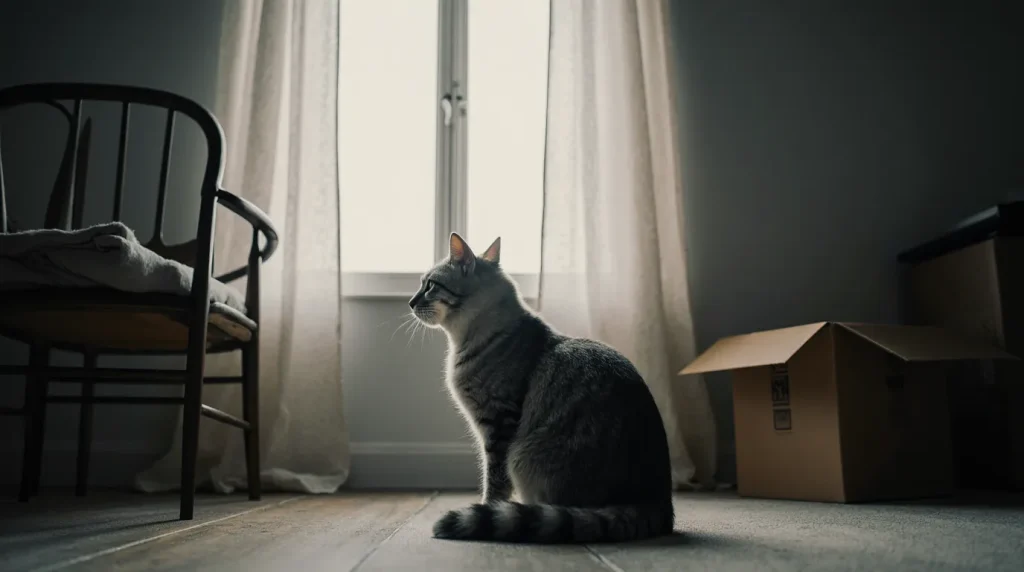 A cat’s heart is not fragile in the sentimental sense, but it is exquisitely responsive to its environment. Stability, patience, and informed care preserve both health and spirit. Neglect, even when unintended, can gradually diminish the quiet confidence that defines a contented feline companion.
Advertisement
#Cats
#Pets
🐱
Looking for a cat in Australia?
Browse cats and kittens for sale near you — 100% free listings.