how to stop ragdoll cat zoomies immediately: Discover 7 fast, vet-approved tricks to calm your energetic Ragdoll and restore peace tonight. How to Stop Ragdoll Cat Zoomies Immediately: 7...
how to stop ragdoll cat zoomies immediately: Discover 7 fast, vet-approved tricks to calm your energetic Ragdoll and restore peace tonight.
Advertisement
How to Stop Ragdoll Cat Zoomies Immediately: 7 Proven Tips
how to stop ragdoll cat zoomies immediately is the question that keeps echoing in your head when your gentle giant transforms into a furry lightning bolt at 2 AM. You're exhausted, your cat is bouncing off the walls, and peace feels like a distant memory. I've been there, friend, staring at the ceiling while my Ragdoll, Luna, staged a midnight marathon across my bedroom. It's frustrating, yes, but also deeply normal, and you're not alone in this chaotic dance. The good news? You can reclaim your calm, and your sleep, with strategies that actually work for these unique, loving cats. Let's dive into the why and the how, with empathy and practical, immediate solutions.Understanding Why Ragdoll Cats Get the Zoomies
Ragdolls are famously docile, often described as "puppy-like" for their relaxed, affectionate nature. So, when the zoomies hit, it can feel especially jarring, like your serene cloud-cat suddenly downloaded a hyperactive software update. These bursts of frenetic energy aren't a sign of a problem; they're a natural, instinctual release valve for pent-up physical and mental stimulation. Think of it like you needing to stretch after a long day of sitting your Ragdoll just does it with more acrobatics and at the most inconvenient times. Understanding this core truth is your first step toward managing it with compassion, not frustration.The Science Behind Feline Zoomies
Zoomies, technically called Frenetic Random Activity Periods or FRAPs, are a universal cat behavior rooted in evolutionary biology. In the wild, cats are crepuscular hunters, most active at dawn and dusk, storing energy for short, intense bursts of chasing and pouncing. Your indoor Ragdoll doesn't need to hunt for dinner, but that primal circuitry is still firing, demanding an outlet. It's not misbehavior; it's biology asking for engagement. When you see those wide eyes and that twitching tail, your cat isn't being naughty they're listening to an ancient, internal drumbeat.Common Triggers for Ragdoll Cat Zoomies
Identifying what sparks your Ragdoll's zoomies is half the battle won, because knowledge is your most powerful tool. Common culprits include a post-litter box sprint (a classic!), excitement after you come home, or even just a sudden burst of playful energy with no obvious trigger. Sometimes, it's environmental: a bird outside the window, a new toy, or even a change in household routine can flip the switch. Paying close attention to the "when" and "what" before a zoomie episode helps you anticipate and gently redirect that energy before it escalates into a full-blown hallway race.The Post-Nap Energy Explosion
Have you ever noticed your Ragdoll zooming right after a long, peaceful nap? This is incredibly common and perfectly logical from a feline perspective. Sleep recharges their batteries, and upon waking, that stored energy needs to go somewhere fast. It's like a coiled spring suddenly released. Instead of seeing this as a nuisance, view it as an opportunity. By scheduling a short, interactive play session right after their nap, you can channel that explosive energy into a productive, bonding activity that tires them out in a good way.How to Stop Ragdoll Cat Zoomies Immediately: Your Action Plan
how to stop ragdoll cat zoomies immediately</span> isn't about suppression; it's about intelligent redirection and meeting your cat's needs in the moment. When the zoomies strike, your goal is to safely interrupt the cycle and offer a more appealing alternative. This requires a calm demeanor on your part your anxiety can fuel their frenzy. The following techniques are your emergency toolkit, designed to work quickly and humanely, respecting your Ragdoll's nature while restoring household harmony.Immediate Calming Techniques That Actually Work
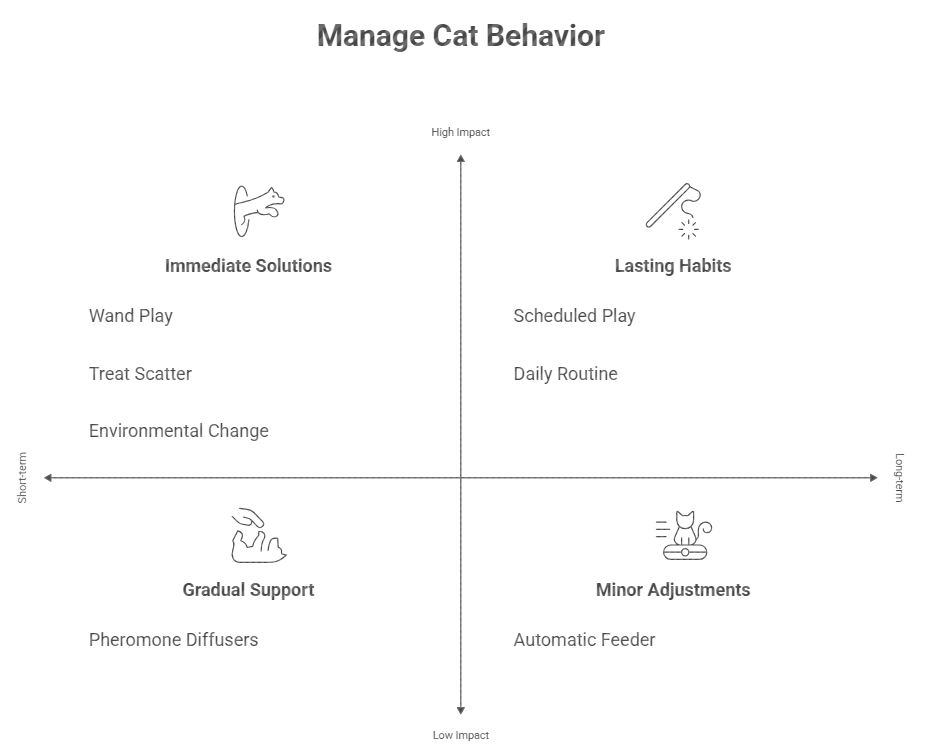
First, never chase or yell at your cat during a zoomie; this only adds to the excitement and can damage your bond. Instead, try the "distraction redirect": use a favorite wand toy or a laser pointer (always end on a physical toy they can "catch") to guide their energy into a focused play session. Another powerful tool is the "treat scatter": toss a few high-value treats on the floor to engage their foraging instinct, which naturally slows them down. These methods work because they speak your cat's language, offering a satisfying conclusion to their burst of energy.The Power of Environmental Interruption
Sometimes, simply changing the environment can halt a zoomie in its tracks. Gently closing a door to limit their runway, turning on a soft, calming piece of music, or even using a pheromone diffuser like Feliway can lower the overall arousal level in the room. The key is to act calmly and predictably; your Ragdoll looks to you for cues. If you remain a steady, peaceful presence, they are more likely to mirror that energy. It's not magic, it's mindful management that builds trust over time.Creating a Zoomie-Proof Environment for Your Ragdoll
Prevention is always better than reaction, and designing your home with your Ragdoll's energy in mind is a game-changer. This means providing ample vertical space with cat trees and shelves, ensuring they have puzzle feeders to engage their brilliant minds, and scheduling consistent, daily playtimes. A bored Ragdoll is a zoomie-prone Ragdoll, so enriching their environment is your best long-term strategy. Think of it as building a playground that meets their needs, so they're less likely to turn your living room into an obstacle course at midnight.The Importance of Routine and Predictability
Cats, including our laid-back Ragdolls, thrive on routine. Feeding, play, and cuddle times that happen at roughly the same time each day create a sense of security and help regulate their energy cycles. When your cat knows what to expect, they experience less anxiety-driven zoomies. Try to incorporate a vigorous play session about an hour before your bedtime; this mimics the natural hunt-eat-groom-sleep cycle and can significantly reduce nighttime zoomies. Consistency is your secret weapon for a calmer cat.Nighttime Strategies: How to Stop Ragdoll Cat Zoomies Immediately at Night
The question of how to stop ragdoll cat zoomies immediately at night is a special challenge, as our need for sleep clashes with their crepuscular instincts. Start by making their evening routine non-negotiable: a hearty play session, followed by a small meal or treat, right before you head to bed. This sequence taps into their natural rhythm, encouraging them to groom and then settle down for sleep alongside you. Also, consider keeping their nighttime zoomie zone limited by closing bedroom doors or using baby gates to protect your sleep space.Managing the Pre-Dawn Energy Surge
If your Ragdoll is a morning zoomie master, the strategy is similar but timed for dawn. Avoid reinforcing the behavior by getting up to feed or play the moment they start zooming; this teaches them that zoomies = attention. Instead, use an automatic feeder for a very early, small breakfast to decouple your wake-up time from their feeding. Keep your reactions boring and neutral during early morning zoomies, and save the exciting interaction for when you're truly ready to start the day. Patience and consistency are crucial here.Morning Zoomies: Taming the Dawn Patrol
Learning how to stop cat zoomies in the morning requires a blend of prevention and gentle management. Ensure your Ragdoll has engaging solo toys available overnight, like treat balls or catnip mice, to keep them occupied if they wake up early. Blackout curtains can help delay the sunrise trigger that often sparks morning activity. Most importantly, resist the urge to engage immediately; wait for a moment of calm before offering attention, reinforcing that quiet behavior is what earns your interaction.The Kitten Consideration: How to Stop Kitten Zoomies at Night
If you're navigating how to stop kitten zoomies at night, remember that kittens have even more explosive, frequent energy bursts as they grow and learn. The same principles apply scheduled play, environmental enrichment, and routine but with extra patience. Kitten zoomies are often shorter and more frequent, so multiple short play sessions throughout the evening are more effective than one long one. Never punish; always redirect. This phase is temporary, and with consistent guidance, your kitten will learn to channel that wonderful energy appropriately.Long-Term Prevention: Reducing Zoomie Frequency
While immediate techniques are vital, the ultimate goal is to reduce the frequency and intensity of zoomies through holistic care. This means prioritizing daily interactive play (15-20 minutes, twice a day is ideal), providing mental stimulation through training or puzzle toys, and ensuring your Ragdoll has a balanced diet that supports steady energy levels. Regular veterinary check-ups are also essential to rule out any underlying health issues that could contribute to restlessness. A fulfilled Ragdoll is a calmer Ragdoll.The Role of Diet and Health in Energy Management
What you feed your Ragdoll can significantly impact their energy patterns. High-quality protein sources provide sustained energy, while fillers or excessive carbohydrates can lead to blood sugar spikes and crashes, potentially triggering zoomies. Discuss your cat's diet with your vet to ensure it supports their unique needs. Additionally, conditions like hyperthyroidism can cause hyperactivity, so if zoomies seem excessive or new, a vet visit is a smart first step. Health is the foundation of behavior.When to Consult Your Veterinarian
While zoomies are normal, a sudden, dramatic increase in frequency, intensity, or duration, especially in an older Ragdoll, warrants a veterinary consultation. It could signal pain, anxiety, or a medical condition needing attention. Your vet can help you distinguish between typical FRAPs and something that requires intervention. Never hesitate to seek professional advice; it's an act of love that ensures your strategies are safe and appropriate for your individual cat's health and temperament.Quick-Reference Zoomie Management Table
Embracing the Journey with Your Ragdoll
At the end of the day, your Ragdoll's zoomies are a testament to their vitality and trust in you they feel safe enough to be wildly, joyfully themselves in your home. Learning how to stop ragdoll cat zoomies immediately is less about control and more about connection, about speaking their language and guiding their beautiful energy. You won't eliminate zoomies entirely, nor should you want to; they're part of your cat's charming, quirky personality. But with empathy, consistency, and the right tools, you can transform those chaotic moments into opportunities for play and bonding. You've got this, and your peaceful nights and your happy, healthy Ragdoll are absolutely within reach.
F A Q
How to stop a cat's zoomies immediately? The fastest way is to redirect their energy with an interactive toy like a wand or laser pointer, followed by a small treat to create a calm "catch and reward" cycle. Avoid chasing or yelling, as this amplifies excitement. The key is to interrupt the frenzy with a more appealing, focused activity that satisfies their instinctual drive. Why do Ragdolls get the zoomies? Ragdolls get zoomies due to natural feline instincts releasing pent-up energy, responding to crepuscular hunting rhythms, or simply celebrating a post-nap recharge. Despite their docile reputation, they possess the same biological wiring as all cats, needing outlets for physical and mental stimulation that sometimes erupt as joyful, frantic bursts. Are Ragdoll cats hyperactive? Generally, no Ragdolls are known for their calm, gentle, and relaxed temperament. However, like all cats, they experience normal energy bursts (zoomies). If your Ragdoll seems constantly hyperactive, restless, or anxious, consult your vet to rule out medical issues, but occasional zoomies are perfectly normal behavior. What triggers zoomies in cats? Common triggers include post-litter box use, waking from a nap, excitement (like your return home), environmental stimuli (birds, new toys), or simply accumulated energy needing release. Identifying your cat's personal triggers allows you to anticipate and gently manage zoomies before they escalate into household chaos. Can diet affect my Ragdoll's zoomies? Absolutely. A diet high in fillers or simple carbs can cause energy spikes and crashes, potentially triggering zoomies. High-quality, protein-rich food supports stable energy levels. Always discuss dietary changes with your vet to ensure your Ragdoll's nutrition supports their overall calm and health.Advertisement
#Ragdoll
#Cat Breeds
🐱
Looking for a cat in Australia?
Browse cats and kittens for sale near you — 100% free listings.