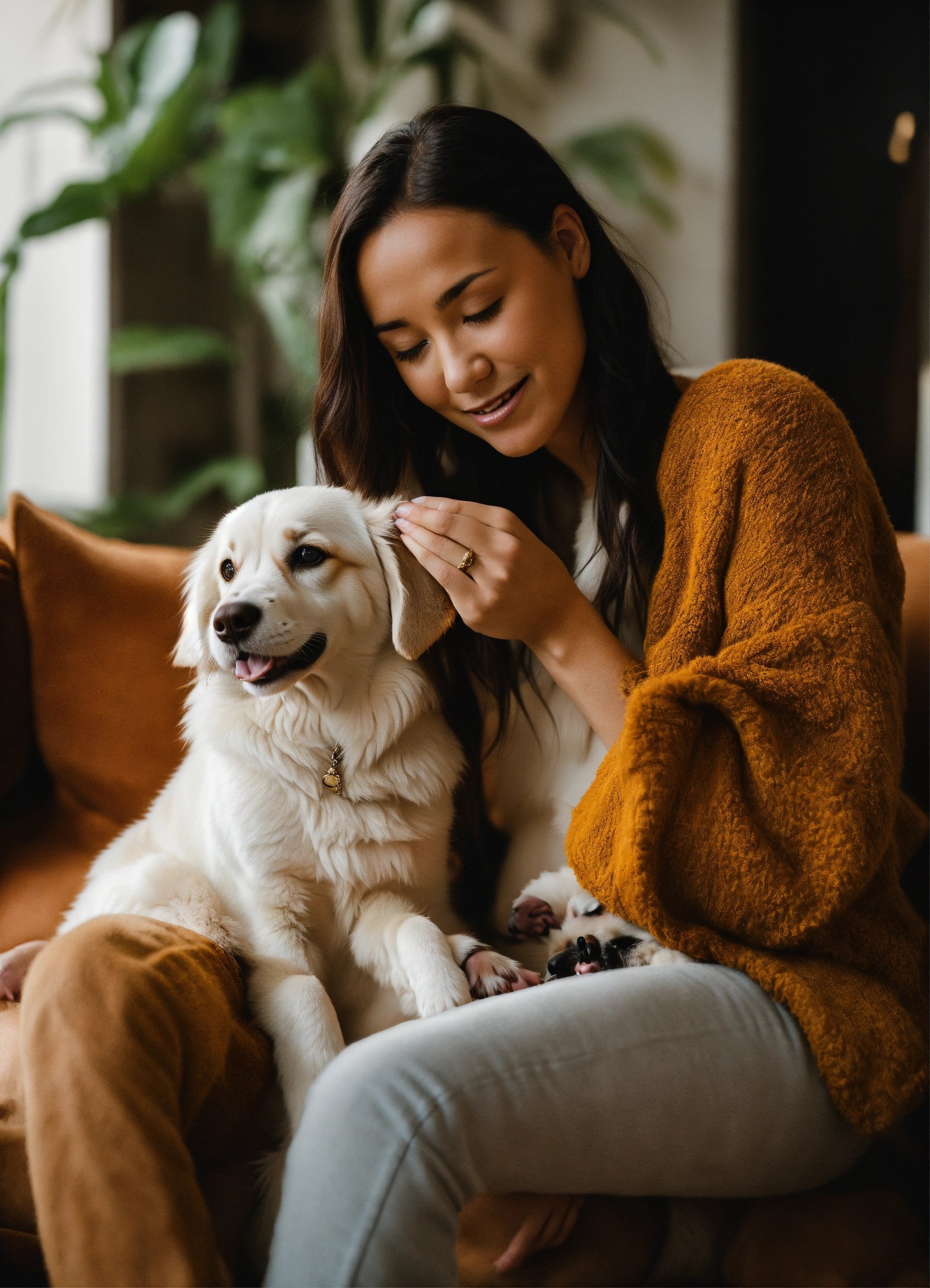
Clean Dog Ears At Home... Cleaning your dog's ears at home is an important aspect of their grooming routine. Regular ear cleaning helps prevent infections and keeps your dog comfortable. Here's a...
Clean Dog Ears At Home... Cleaning your dog's ears at home is an important aspect of their grooming routine. Regular ear cleaning helps prevent infections and keeps your dog comfortable. Here's a step-by-step guide on how to clean your dog's ears at home:
Materials Needed:
 Clean Dog Ears At Home[/caption]
Seek Clarification:
- Communication: Initiate a conversation with your veterinarian to understand the specific reasons for their advice.
- Ask Questions: Inquire about any underlying issues or concerns that led to the recommendation against ear cleaning.
Discuss Alternative Solutions: Clean Dog Ears At Home
- Options: Explore alternative methods or products that may address your dog's ear health without the need for traditional cleaning.
- Veterinary Expertise: Trust your veterinarian's expertise and inquire about their preferred approach to managing your dog's ear care.
Understand the Condition: Clean Dog Ears At Home
- Clarification: If your dog has an existing ear condition or infection, understand the nature of the problem and why cleaning may not be advisable at the moment.
- Treatment Plan: Discuss the recommended treatment plan and follow any prescribed medications or procedures.
Regular Vet Check-Ups: Clean Dog Ears At Home
- Monitoring: Schedule regular veterinary check-ups to monitor your dog's ear health.
- Professional Assessment: Allow your veterinarian to assess the situation and adjust recommendations based on your dog's progress.
Follow Medical Advice:
- Adherence: Strictly follow any medical advice or treatment plans provided by your veterinarian.
- Medication Compliance: Administer prescribed medications as directed and report any changes or concerns during follow-up appointments.
Consult for Second Opinion:
- Consideration: If you have concerns or doubts about the advice given, don't hesitate to seek a second opinion from another qualified veterinarian.
- Alternative Perspectives: Different veterinarians may have varied approaches, and a second opinion can offer additional insights.
Monitor for Changes:
- Observation: Keep a close eye on your dog for any changes in behavior, discomfort, or worsening of symptoms.
- Communication: Promptly communicate any observed changes to your veterinarian.
Behavioral Observations:
- Note Changes: Pay attention to your dog's behavior. If they seem more comfortable or exhibit improved signs, it could indicate positive progress.
Environmental Adjustments:
- Minimize Irritants: Make adjustments to your dog's environment to minimize potential irritants that may contribute to ear issues.
Education and Understanding:
- Educate Yourself: Take the time to understand the specific condition affecting your dog's ears.
- Ask Questions: Seek clarification on any aspects of the condition that are unclear.
Trust in your veterinarian's expertise and adhere to their recommendations. Regular communication, a commitment to the prescribed treatment plan, and a collaborative approach between you and your veterinarian are essential for the overall well-being of your dog.
If you ever have questions or concerns, maintaining an open line of communication with your veterinarian ensures that you can work together to provide the best care for your furry companion.
Clean Dog Ears At Home[/caption]
Seek Clarification:
- Communication: Initiate a conversation with your veterinarian to understand the specific reasons for their advice.
- Ask Questions: Inquire about any underlying issues or concerns that led to the recommendation against ear cleaning.
Discuss Alternative Solutions: Clean Dog Ears At Home
- Options: Explore alternative methods or products that may address your dog's ear health without the need for traditional cleaning.
- Veterinary Expertise: Trust your veterinarian's expertise and inquire about their preferred approach to managing your dog's ear care.
Understand the Condition: Clean Dog Ears At Home
- Clarification: If your dog has an existing ear condition or infection, understand the nature of the problem and why cleaning may not be advisable at the moment.
- Treatment Plan: Discuss the recommended treatment plan and follow any prescribed medications or procedures.
Regular Vet Check-Ups: Clean Dog Ears At Home
- Monitoring: Schedule regular veterinary check-ups to monitor your dog's ear health.
- Professional Assessment: Allow your veterinarian to assess the situation and adjust recommendations based on your dog's progress.
Follow Medical Advice:
- Adherence: Strictly follow any medical advice or treatment plans provided by your veterinarian.
- Medication Compliance: Administer prescribed medications as directed and report any changes or concerns during follow-up appointments.
Consult for Second Opinion:
- Consideration: If you have concerns or doubts about the advice given, don't hesitate to seek a second opinion from another qualified veterinarian.
- Alternative Perspectives: Different veterinarians may have varied approaches, and a second opinion can offer additional insights.
Monitor for Changes:
- Observation: Keep a close eye on your dog for any changes in behavior, discomfort, or worsening of symptoms.
- Communication: Promptly communicate any observed changes to your veterinarian.
Behavioral Observations:
- Note Changes: Pay attention to your dog's behavior. If they seem more comfortable or exhibit improved signs, it could indicate positive progress.
Environmental Adjustments:
- Minimize Irritants: Make adjustments to your dog's environment to minimize potential irritants that may contribute to ear issues.
Education and Understanding:
- Educate Yourself: Take the time to understand the specific condition affecting your dog's ears.
- Ask Questions: Seek clarification on any aspects of the condition that are unclear.
Trust in your veterinarian's expertise and adhere to their recommendations. Regular communication, a commitment to the prescribed treatment plan, and a collaborative approach between you and your veterinarian are essential for the overall well-being of your dog.
If you ever have questions or concerns, maintaining an open line of communication with your veterinarian ensures that you can work together to provide the best care for your furry companion.
- Dog ear cleaner solution: You can purchase a commercial dog ear cleaner from a pet store or ask your veterinarian for a recommendation.
- Cotton balls or pads: Avoid using cotton swabs, as they can push debris further into the ear canal.
- Gather Supplies:
- Prepare Your Dog:
- Inspect the Ears:
- Apply Ear Cleaner:
- Massage the Base:
- Let Your Dog Shake:
- Wipe Away Debris:
- Repeat on the Other Ear:
- Reward Your Dog:
- Regular Maintenance:
Tips:
- Be gentle and patient, especially if your dog is not used to ear cleaning. - If you notice any signs of infection (such as redness, swelling, or a foul smell), consult your veterinarian. - Never use water or alcohol to clean your dog's ears, as they can cause irritation. Remember, if you're unsure or uncomfortable cleaning your dog's ears, consult your veterinarian for guidance or to schedule a professional cleaning. Certainly! Here's the continuation of the guide on how to clean your dog's ears at home:How To Clean Dog Ears: At Home Edition
Preventive Care: - Regular ear checks can help you catch any issues early. Look for signs like excessive scratching, head shaking, or changes in behavior. Know Your Dog's Ears: - Some dogs are more prone to ear issues due to their breed or ear shape. Dogs with floppy ears or a lot of hair in their ears may need more frequent cleaning. Avoid Deep Insertion: - Never insert anything deep into your dog's ear canal. Cleaning should only involve the visible parts of the ear to prevent injury. Use a Drying Solution (Optional): - If your dog is prone to ear infections, your veterinarian may recommend a drying solution after cleaning to prevent moisture buildup. Monitor for Discomfort: - Watch for signs of discomfort during or after cleaning. If your dog continues to scratch excessively or shows signs of pain, consult your veterinarian. Seek Professional Help When Needed: - If you're uncomfortable cleaning your dog's ears or if there are signs of infection, consult your veterinarian. They can demonstrate proper cleaning techniques and prescribe medication if necessary. Establish a Routine: - Make ear cleaning a part of your regular grooming routine. Consistency will make the process easier for both you and your dog. Maintain a Positive Environment: - Keep the experience positive by offering treats, praise, and a calm environment. This helps your dog associate ear cleaning with a positive experience. Adapt to Your Dog's Comfort Level: - Some dogs may be more sensitive about their ears. Gradually introduce them to the process, and stop if they show signs of stress. You can try again later or seek guidance from a professional. Follow Veterinarian Recommendations: - If your veterinarian has provided specific instructions or recommended products, be sure to follow their advice for the best results. Regular ear cleaning is a crucial aspect of your dog's overall health and well-being. By following these steps and maintaining open communication with your veterinarian, you can help ensure your dog's ears stay clean and healthy. Remember, every dog is unique, so tailor your approach to suit your dog's individual needs and comfort level. If in doubt, consult your veterinarian for personalized guidance on ear care for your furry friend.What Can I Clean My Dog's Ears With?
Choosing the right ear cleaning solution is essential for maintaining your dog's ear health. Here are some options for cleaning your dog's ears: Commercial Dog Ear Cleaners: - Purpose: Specifically formulated for cleaning dog ears. - Availability: Available at pet stores and veterinary clinics. - Usage: Follow the instructions on the product label. Generally, these solutions help break down earwax and debris. Homemade Ear Cleaner: - Ingredients: - White vinegar or apple cider vinegar - Water (distilled if possible) - Mixing Ratio: Equal parts vinegar and water. - Usage: Pour a small amount into the ear, massage, and wipe away debris. Consult your vet before using homemade solutions. Prescription Solutions: - Purpose: Prescribed by veterinarians for specific ear issues. - Usage: Follow your vet's instructions carefully. These solutions may contain medications for treating infections or inflammation. Pre-Moistened Ear Wipes: - Purpose: Convenient for quick clean-ups. - Usage: Gently wipe the visible parts of the ear with the pre-moistened wipes. Avoid inserting them into the ear canal. Hydrogen Peroxide (Diluted): - Caution: Consult your veterinarian before using. - Dilution: Mix one part hydrogen peroxide with one part water. - Usage: Apply a small amount to a cotton ball or pad, then clean the visible parts of the ear. Avoid Water and Alcohol: - Reason: Water can introduce moisture, creating an environment for bacteria. Alcohol can cause irritation. - Caution: Never pour water directly into your dog's ears. Drying Solutions: - Purpose: Helps prevent moisture buildup. - Usage: Applied after cleaning, as per your vet's recommendation. They often contain drying agents like alcohol. Consult Your Veterinarian: - Recommendation: Before using any solution, consult your veterinarian, especially if your dog has pre-existing ear issues. - Guidance: Your vet can recommend the most suitable product based on your dog's specific needs. Cotton Balls or Pads: - Usage: Ideal for wiping away debris. Avoid cotton swabs, as they can push debris deeper. Regular Monitoring: - Observation: Keep an eye on your dog's ears for any changes. If you notice redness, swelling, or an unusual odor, consult your vet promptly. In summary, the choice of ear cleaner depends on your dog's individual needs and any recommendations from your veterinarian. Always follow product instructions, be gentle during the cleaning process, and prioritize your dog's comfort and well-being. If in doubt, seek professional advice for the best care for your furry companion.When is the Best Time for Cleaning Dog's Ears?
Ensuring the right timing for cleaning your dog's ears can contribute to a more successful and stress-free experience. Here are considerations for the optimal times to clean your dog's ears: Choose a Calm Time: - Preference: Pick a time when your dog is relaxed and calm. - Avoid Distractions: Minimize potential distractions to keep your dog focused during the process. Incorporate into Grooming Routine: - Integration: Make ear cleaning a part of your regular grooming routine. - Consistency: Regularity helps your dog become accustomed to the process, reducing stress over time. Post-Activity Sessions: - Advantage: After a walk or play session, your dog may be more tired and less likely to resist ear cleaning. - Reward: Reward with treats or playtime afterward to create positive associations. During Bath Time: - Convenience: Integrate ear cleaning into your dog's bath routine. - Warm Water: Warm water during a bath can help loosen debris in the ears. After Outdoor Adventures: - Precaution: If your dog enjoys outdoor activities, check and clean the ears afterward to remove dirt or debris. - Prevention: Outdoor adventures may expose your dog's ears to elements that could lead to issues if not addressed promptly. Regular Check-Ups: - Scheduled Inspections: Conduct routine ear checks to catch any issues early. - Preventive Action: Regular inspections allow for preventive care and timely cleaning. Preventive Cleaning Schedule: - Frequency: Establish a preventive cleaning schedule based on your dog's needs. - Consultation: Consult your veterinarian for advice on the ideal frequency for your specific dog. Be Mindful of Sensitivity: - Observation: Pay attention to your dog's reactions during different times of the day. - Avoid Stressful Times: If your dog seems more sensitive during certain times, avoid cleaning during those periods. Gradual Introduction for Puppies: - Early Training: Introduce ear cleaning to puppies gradually. - Positive Reinforcement: Use positive reinforcement to create a positive association with the process. Emergency Cleaning: - Immediate Need: If you notice visible debris, redness, or a foul smell, address the issue promptly. - Veterinary Assistance: Seek veterinary assistance for severe or sudden ear issues. In conclusion, the best time to clean your dog's ears depends on factors such as their individual temperament, routine, and any specific activities. Consistency, positive reinforcement, and a calm environment are key elements for successful ear cleaning. Always be observant of your dog's behavior and consult your veterinarian for personalized guidance on the ideal cleaning schedule for your furry companion.Symptoms of Dog Ear Infection
Recognizing the signs of a dog ear infection is crucial for prompt veterinary intervention. Here are common symptoms to be aware of: Frequent Ear Scratching: - Behavior: If your dog is excessively scratching or pawing at its ears, it may indicate irritation or discomfort. Head Shaking or Tilting: - Noticeable Movement: Persistent head shaking or tilting can suggest an issue within the ear canal. Ear Discharge: - Appearance: Discharge may vary from wax-like buildup to pus, and it can have an unpleasant odor. Redness and Swelling: - Visual Signs: Inflamed or swollen ears, often accompanied by redness, are common indicators of infection. Unusual Odor: - Smell: A foul or unpleasant smell emanating from the ears may signal an infection. Changes in Behavior: - Mood Changes: If your dog becomes irritable, shows signs of discomfort, or exhibits changes in behavior, it could be related to ear pain. Tilting the Head to One Side: - Unnatural Posture: Tilting the head to one side, especially if it's consistent, may indicate ear issues. Loss of Balance or Coordination: - Unsteady Movements: Inner ear infections can affect balance and coordination, leading to unsteady movements. Visible Inflammation: - Inspection: Check for signs of inflammation on the outer ear, ear flap, or around the ear canal. Unresponsiveness to Sounds: - Hearing Issues: Dogs with ear infections may become unresponsive to sounds or show signs of hearing loss. Scratching Around Ears and Neck: - Extended Area: Besides the ears, if your dog scratches around the neck and head, it may indicate discomfort. Resisting Ear Touching: - Avoidance: If your dog suddenly avoids having its ears touched or reacts negatively, it could be due to pain or sensitivity. Visible Discomfort During Ear Cleaning: - Reaction: If your dog displays signs of pain or discomfort during routine ear cleaning, it could indicate an underlying issue. Excessive Earwax: Clean Dog Ears At Home - Texture: An increase in earwax production, especially if it appears different in color or texture, may be a sign of infection. Rubbing Ears on Surfaces: Clean Dog Ears At Home - Friction: Dogs with ear infections may rub their ears against furniture or the ground to alleviate discomfort. Hair Loss Around Ears: - Physical Changes: Hair loss or bald spots around the ears may accompany ear infections. Elevated Sensitivity to Touch: - Reaction: If your dog becomes unusually sensitive to touch around the ears, it may be a sign of discomfort. Painful Vocalizations: - Vocal Signs: Whining, whimpering, or yelping when the ears are touched could indicate pain. Scabs or Lesions: - Visual Inspection: Presence of scabs or lesions around the ear area may indicate an ongoing issue. Persistent Scratching After Cleaning: - No Improvement: If your dog continues to scratch excessively even after routine ear cleaning, it's a cause for concern. In conclusion, if you observe any combination of these symptoms, it's essential to consult with your veterinarian promptly. Early detection and appropriate treatment are key to resolving ear infections and ensuring your dog's comfort and well-being.When Your Vet Advises Against Cleaning Your Dog's Ears
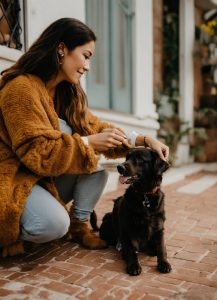
If your veterinarian has advised against cleaning your dog's ears, it's essential to understand the reasons behind their recommendation. Here's a guide on what to do in such a situation: [caption id="attachment_2214" align="aligncenter" width="217"] Clean Dog Ears At Home[/caption]
Seek Clarification:
- Communication: Initiate a conversation with your veterinarian to understand the specific reasons for their advice.
- Ask Questions: Inquire about any underlying issues or concerns that led to the recommendation against ear cleaning.
Discuss Alternative Solutions: Clean Dog Ears At Home
- Options: Explore alternative methods or products that may address your dog's ear health without the need for traditional cleaning.
- Veterinary Expertise: Trust your veterinarian's expertise and inquire about their preferred approach to managing your dog's ear care.
Understand the Condition: Clean Dog Ears At Home
- Clarification: If your dog has an existing ear condition or infection, understand the nature of the problem and why cleaning may not be advisable at the moment.
- Treatment Plan: Discuss the recommended treatment plan and follow any prescribed medications or procedures.
Regular Vet Check-Ups: Clean Dog Ears At Home
- Monitoring: Schedule regular veterinary check-ups to monitor your dog's ear health.
- Professional Assessment: Allow your veterinarian to assess the situation and adjust recommendations based on your dog's progress.
Follow Medical Advice:
- Adherence: Strictly follow any medical advice or treatment plans provided by your veterinarian.
- Medication Compliance: Administer prescribed medications as directed and report any changes or concerns during follow-up appointments.
Consult for Second Opinion:
- Consideration: If you have concerns or doubts about the advice given, don't hesitate to seek a second opinion from another qualified veterinarian.
- Alternative Perspectives: Different veterinarians may have varied approaches, and a second opinion can offer additional insights.
Monitor for Changes:
- Observation: Keep a close eye on your dog for any changes in behavior, discomfort, or worsening of symptoms.
- Communication: Promptly communicate any observed changes to your veterinarian.
Behavioral Observations:
- Note Changes: Pay attention to your dog's behavior. If they seem more comfortable or exhibit improved signs, it could indicate positive progress.
Environmental Adjustments:
- Minimize Irritants: Make adjustments to your dog's environment to minimize potential irritants that may contribute to ear issues.
Education and Understanding:
- Educate Yourself: Take the time to understand the specific condition affecting your dog's ears.
- Ask Questions: Seek clarification on any aspects of the condition that are unclear.
Trust in your veterinarian's expertise and adhere to their recommendations. Regular communication, a commitment to the prescribed treatment plan, and a collaborative approach between you and your veterinarian are essential for the overall well-being of your dog.
If you ever have questions or concerns, maintaining an open line of communication with your veterinarian ensures that you can work together to provide the best care for your furry companion.
Managing Resistance to Ear Cleaning in Dogs
If your dog strongly resists having her ears cleaned, it's important to approach the situation with patience, understanding, and positive reinforcement. Here are strategies to help you manage your dog's aversion: Gradual Desensitization: - Step-by-Step Approach: Introduce ear cleaning gradually in small, manageable steps. - Positive Associations: Pair each step with positive reinforcement, like treats or praise. Associate with Positive Experiences: - Reward System: Make ear cleaning a positive experience by offering treats, favorite toys, or playtime immediately afterward. - Positive Tone: Use a calm and reassuring voice to create a positive association. Familiarization with Tools: - Non-Threatening Introduction: Allow your dog to sniff and become familiar with the ear cleaning tools before attempting to use them. - Reward for Tolerance: Reward your dog for tolerating the presence of the tools. Use High-Value Treats: - Special Rewards: Use high-value treats reserved specifically for ear cleaning sessions. - Positive Reinforcement: Associating ear cleaning with delicious treats can make the process more appealing. Pair with Regular Grooming: - Routine Integration: Include ear cleaning as part of your dog's regular grooming routine. - Consistency: Regularity helps dogs become accustomed to the process over time. Practice Gentle Handling: - Sensitivity: Be gentle when handling your dog's ears to avoid causing discomfort. - Progress at Dog's Pace: Gradually increase the handling time as your dog becomes more comfortable. Positive Distractions: - Divert Attention: Use toys or engage your dog in a favorite game to distract her during the ear cleaning process. - Playful Environment: Creating a playful atmosphere can make the experience more enjoyable. Consider Professional Help: - Veterinary Assistance: If your dog's aversion persists, consider seeking the assistance of a professional dog trainer or behaviorist. - Underlying Issues: A professional can help identify and address any underlying behavioral issues. Routine Vet Check-Ups: - Ear Health Evaluation: Regular veterinary check-ups can assess your dog's ear health and identify any issues that may contribute to resistance. - Professional Cleaning: In some cases, professional ear cleaning by a veterinarian may be necessary. Positive Reinforcement Training: - Clicker Training: Consider clicker training to reinforce positive behaviors during ear cleaning. - Incremental Rewards: Reward small steps of cooperation to encourage a positive response. Understanding and addressing your dog's aversion to ear cleaning requires patience, consistency, and positive reinforcement. By making the experience enjoyable and associating it with positive outcomes, you can gradually help your dog overcome her resistance. If challenges persist, consulting with a professional trainer or behaviorist can provide personalized guidance. Always prioritize your dog's comfort and well-being throughout the process. Read more🐱
Looking for a cat in Australia?
Browse kittens and cats for sale near you — 100% free listings.