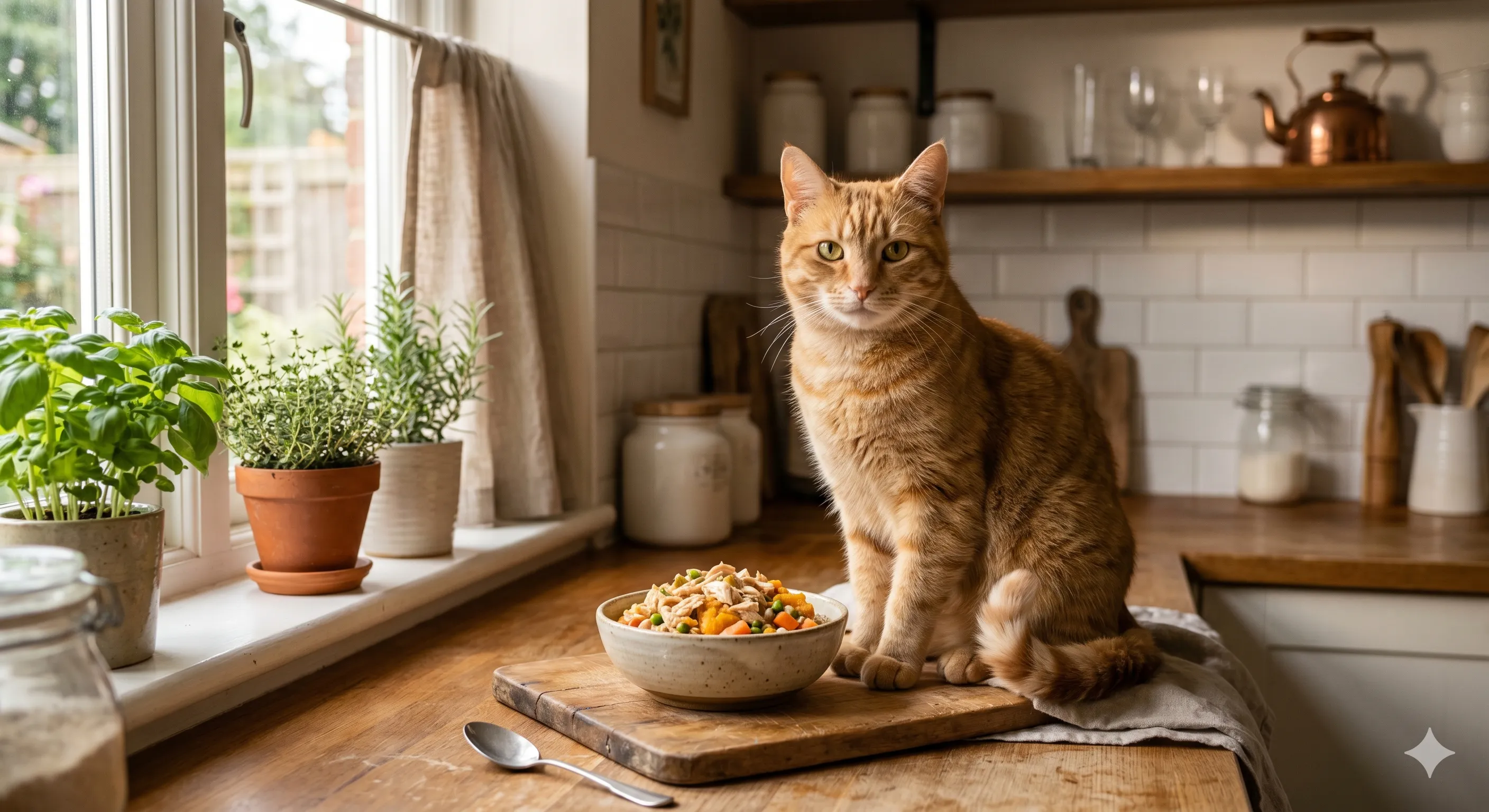
🐾 Homemade Cat Food for Vomiting Cats: A Complete Guide to Healing Your Cat Naturally If your cat has been vomiting frequently, you’re not alone and more importantly, you’re not powerless. Many cat...
🐾 Homemade Cat Food for Vomiting Cats: A Complete Guide to Healing Your Cat Naturally
Advertisement
If your cat has been vomiting frequently, you’re not alone and more importantly, you’re not powerless. Many cat owners feel frustrated, worried, and even helpless when their feline companion struggles with digestive issues. Vomiting in cats can stem from several causes: food sensitivities, poor-quality ingredients, hairballs, eating too quickly, or underlying health conditions like IBD (Inflammatory Bowel Disease). While commercial options labeled as cat food for vomiting cats or best cat food for sensitive stomach exist, they don’t always solve the problem. In fact, some contain fillers and preservatives that may worsen your cat’s condition over time.
That’s where homemade cat food for vomiting cats becomes a powerful, natural alternative.
Creating your own cat food allows you to take full control over ingredients, quality, and nutrition. You can eliminate common irritants, focus on easily digestible proteins, and tailor meals specifically for your cat’s needs. This is especially beneficial for cats who cannot tolerate standard dry cat food for sensitive stomach or even certain types of wet cat food for vomiting cats.
In this guide, we’ll explore everything you need to know from understanding why cats vomit to crafting balanced, nourishing meals that support digestive health. You’ll also learn how to transition your cat safely, which ingredients to prioritize, and how homemade diets compare to options like hypoallergenic cat food or limited ingredient cat food.
By the end of this article, you’ll feel confident, empowered, and ready to help your cat thrive without relying solely on commercial diets.
 Cat Food for Vomiting Cats[/caption]
Why Cats Vomit and How Diet Plays a Crucial Role
Understanding the root cause of vomiting is the first step toward finding the right solution. Cats are naturally sensitive creatures, especially when it comes to their digestive systems. While occasional vomiting may be harmless, frequent episodes are often a sign that something isn’t right. One of the most common causes is food intolerance. Many commercial products marketed as cat food for sensitive stomach still contain artificial additives, low-quality proteins, or grains that are difficult for cats to digest. This can lead to irritation in the gastrointestinal tract, resulting in vomiting shortly after meals. Another major factor is poor ingredient quality. Some lower-end foods rely on by-products and fillers instead of real meat. Cats are obligate carnivores, meaning their bodies are designed to process animal protein not plant-based fillers. Feeding them inappropriate food can lead to chronic digestive issues, making owners search for what to feed a vomiting cat. Hairballs are also a frequent culprit. While normal to some extent, excessive hairballs combined with improper diet can worsen vomiting. Many people turn to cat food for hairballs and vomiting, but these solutions often mask the issue rather than fix it. Medical conditions like IBD (Inflammatory Bowel Disease) or food allergies can also be responsible. In such cases, even grain free cat food for sensitive stomach might not be enough. This is where homemade cat food for vomiting cats shines it allows you to eliminate triggers and create a clean, simple diet. Diet directly influences digestion, nutrient absorption, and gut health. When you switch to easy to digest cat food made at home, you remove unnecessary stress from your cat’s system. Fresh ingredients, minimal processing, and tailored nutrition can dramatically reduce vomiting episodes. In short, if your cat is frequently vomiting, the food bowl is the first place you should look. And often, the best solution isn’t found in a bag but in your own kitchen.Benefits of Homemade Cat Food for Vomiting Cats
Switching to homemade cat food for vomiting cats offers a wide range of benefits that go far beyond simply reducing vomiting. It represents a shift toward a more natural, controlled, and health-focused way of feeding your feline companion.Full Control Over Ingredients
One of the biggest advantages is knowing exactly what goes into your cat’s food. Unlike commercial products labeled as best cat food for vomiting or veterinary diet cat food digestive, homemade meals eliminate guesswork. You can avoid common allergens like dairy, grains, or artificial preservatives. [caption id="attachment_51549" align="aligncenter" width="450"] Cat Food for Vomiting Cats[/caption]
Easier Digestion
Homemade diets are typically made with fresh, high-quality proteins such as chicken, turkey, or fish. These are far easier for cats to digest compared to heavily processed kibble. This makes them ideal for cats needing easy to digest cat food.Customization for Health Conditions
If your cat suffers from specific issues like IBD, allergies, or chronic vomiting, you can tailor meals accordingly. This is often more effective than relying solely on prescription cat food digestive care, which can be expensive and not always well-tolerated.Reduced Additives and Fillers
Commercial foods even premium ones can contain hidden fillers. Homemade meals focus on simplicity, which is key for cats with sensitive stomachs.Cost-Effective in the Long Run
While initial preparation may seem time-consuming, homemade diets can reduce vet visits and medication costs over time.Improved Overall Health
Many cat owners report shinier coats, increased energy, and better weight management after switching from limited ingredient cat food to homemade options. In essence, homemade cat food isn’t just a remedy it’s a lifestyle upgrade for your cat’s health.Best Ingredients for Homemade Cat Food
Choosing the right ingredients is critical when preparing homemade cat food for vomiting cats. The goal is to create meals that are gentle, nutritious, and aligned with your cat’s biological needs.1. High-Quality Animal Protein
Cats thrive on protein. Opt for:- Boiled chicken (skinless)
- Turkey
- Lean beef
- Fish (like salmon)
2. Easily Digestible Carbohydrates (Optional)
While cats don’t require carbs, small amounts can help:- Cooked rice
- Pumpkin (great for digestion)
3. Fiber-Rich Vegetables
Vegetables like carrots or zucchini can support gut health in small quantities.4. Healthy Fats
Omega-3 fatty acids (from fish oil) can reduce inflammation and support digestion.5. Essential Supplements
Homemade diets must include:- Taurine (essential for heart health)
- Calcium
- Vitamins
Ingredients to Avoid:
- Onions and garlic
- Dairy products
- Raw eggs
- Processed meats
Simple Homemade Recipes for Vomiting Cats
Here are a few easy recipes to get started:Recipe 1: Chicken & Pumpkin Digestive Meal
Ingredients:- Boiled chicken (shredded)
- Pumpkin puree
- Fish oil
Recipe 2: Turkey & Rice Gentle Meal
Ingredients:- Ground turkey
- Cooked white rice
- Carrots
Recipe 3: Salmon Recovery Meal
Ingredients:- Cooked salmon
- Zucchini
- Taurine supplement
Feeding Tips:
- Serve small portions
- Avoid sudden diet changes
- Monitor reactions carefully
Transitioning Your Cat Safely
Switching to homemade cat food for vomiting cats must be done gradually.Step-by-Step Transition:
- Mix 25% homemade with 75% current food
- Slowly increase over 7–10 days
- Monitor for vomiting or discomfort
Watch for Signs:
- Improved digestion
- Reduced vomiting
- Better energy levels
Conclusion
Helping your cat overcome vomiting isn’t just about finding the best cat food for vomiting it’s about understanding their needs and taking control of their nutrition. Homemade cat food for vomiting cats offers a powerful, natural solution that prioritizes health, simplicity, and quality. By using fresh ingredients, avoiding common irritants, and tailoring meals to your cat’s unique needs, you can dramatically improve their digestive health and overall well-being. While it requires effort, the reward is priceless: a happier, healthier cat who no longer struggles with constant discomfort. If your cat has been suffering, this could be the turning point. Start small, stay consistent, and watch your feline friend thrive like never before.Advertisement
#Cat Food
#Cat Health
🐱
Looking for a cat in Australia?
Browse cats and kittens for sale near you — 100% free listings.