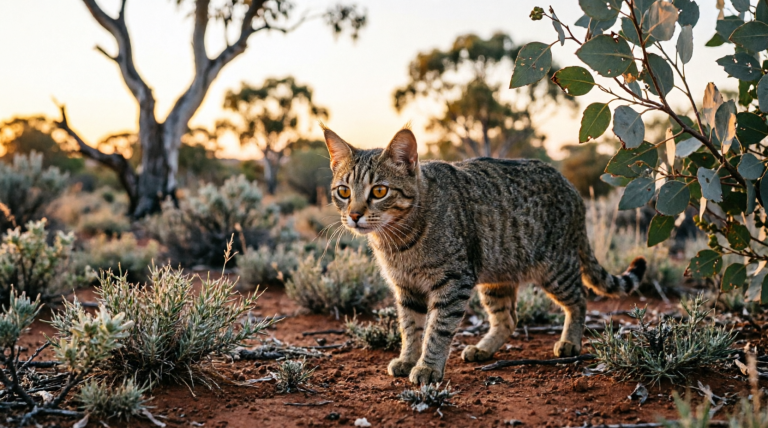
Australian wild cats: Feral felines threaten native wildlife. Learn population facts, control methods, and ecological impact today. Australian wild cats aren't the majestic predators you might...
Advertisement
Understanding the Reality of australian wild cats
Let's clear the air right from the start. When we talk about australian wild cats, we're almost always talking about feral domestic cats, not a unique native species. Think of them like uninvited guests who showed up with the First Fleet in 1788 and never left. These aren't lions or tigers roaming the Outback. No, australian wild cats are descendants of house cats brought by European settlers. They've adapted brilliantly, sometimes terrifyingly so, to our harsh landscapes. From the red sands of the desert to the lush rainforests of Queensland, they've made themselves at home. But this adaptability comes at a steep cost to our unique wildlife. You might wonder, if they're just house cats gone rogue, why all the fuss? Well, imagine a skilled, nocturnal hunter with no natural predators in a land full of naive, ground-nesting birds and small mammals. That's the reality we're facing. It's not about blaming the cats. They're just being cats. But it's about understanding the ripple effects of human choices.Are There Any Wild Cat Species in Australia?
This is the question that trips up so many of us. Are there any wild cat species in Australia? The short, clear answer is no. Australia has no native wild cat species whatsoever. Our continent evolved in isolation, developing incredible marsupials like quolls and the elusive Tasmanian devil, but no felines. Every cat you see prowling in the bush is either a lost pet or, more commonly, a feral cat living entirely independent of humans. This distinction matters deeply. When people ask "do they have wild cats in australia," they're often picturing something like a bobcat or lynx, but that's not our story. Instead, we have australian wild feral.cats, domestic cats that have returned to a wild state. This isn't a subtle difference. It shapes everything from conservation strategies to public perception. Knowing this truth helps us focus our energy where it counts. We need to manage an invasive species, not protect a native one. It's a tough pill to swallow for cat lovers, but honesty is the first step toward solutions.The Truth About australian wild big cats Myths
Let's tackle a fun, persistent myth. Are there any large wild cats in australia? You might have heard whispers of "panthers" or "big cats" spotted in regional areas. While these stories make for great campfire tales, there's zero scientific evidence supporting the existence of australian big wild cats like cougars or leopards. What people often see are large feral domestic cats, kangaroos in shadowy light, or even optical illusions born of hope and fear. The idea of australian wild big cats captures our imagination. It's thrilling to think a secret predator lurks in the bush. But it distracts from the real issue. The actual threat isn't a mythical beast. It's the very real, very numerous feral cats already here. Focusing on phantom panthers takes attention and resources away from managing the documented ecological damage caused by australian wild cats. Let's channel that fascination into understanding the tangible challenges we face. After all, reality is compelling enough without needing to invent monsters.australian wild cats size and Physical Characteristics
When you picture australian wild cats size, don't imagine something massive. Most feral cats in Australia weigh between 3 to 6 kilograms, roughly the size of a large domestic tabby. They're agile, muscular, and built for survival, with keen senses and retractable claws perfect for climbing and hunting. Their coats vary wildly. Striped, spotted, solid black, or ginger, reflecting their mixed domestic ancestry. You won't find a consistent "breed" because australian wild cats breeds aren't a thing. They're a genetic melting pot. This variation helps them blend into different environments, from urban fringes to remote wilderness. Their eyes, often a striking green or gold, are adapted for low-light hunting, giving them that eerie, captivating glow at dusk. Understanding their physical traits isn't just academic. It helps in identifying them and designing effective management tools. Next time you see a cat in the wild, ask yourself. Is this a lost pet, or a seasoned survivor? The answer shapes how we respond.Debunking australian wild cats breeds Misconceptions
It's easy to fall into the trap of thinking australian wild cats breeds exist, like some unique Outback lineage. But let's be clear. There are no distinct breeds. These cats are domestic cats (Felis catus) that have gone feral, carrying the same genetic diversity as your neighbor's moggy. Terms like "australian native wild cats" are misleading because, as we've established, cats aren't native here at all. This misconception can dilute conservation messaging. If people believe these are special Australian animals, they might oppose control efforts. But the truth is simpler and more urgent. They're an introduced species causing measurable harm. By clarifying that australian wild house cats and their feral cousins share the same roots, we can have more productive conversations. It's not about vilifying cats. It's about protecting the irreplaceable wildlife that evolved without them. Knowledge empowers us to act with compassion and clarity.The Environmental Impact of australian wild feral.cats
Here's where the story gets heavy, but it's crucial. australian wild feral.cats are devastating predators. They're implicated in the extinction of at least 29 native mammal species and continue to threaten countless others. Imagine a small, silent hunter killing billions of native animals each year. That's the scale we're dealing with. They don't just eat. They disrupt entire ecosystems, causing cascading effects. Birds, reptiles, small mammals, they're all on the menu. This isn't speculation. It's documented by decades of research. When people ask "how many wild cats in australia," estimates range from 2 to 6 million feral cats, a staggering number. Their impact is why they're listed as a key threatening process under Australian law. It's a tough reality, but facing it is the only way forward. Conservation isn't about choosing sides. It's about healing the balance. Every effort to manage feral populations is a step toward giving native species a fighting chance.What Do australian wild house cats Do at Night?
You've probably wondered. What do cats do when they go out at night? For australian wild house cats that have turned feral, nighttime is their prime hunting shift. Under the cover of darkness, they patrol territories that can span several square kilometers. They stalk, pounce, and hunt with incredible efficiency, using their superior night vision and hearing. But it's not all hunting. They also mark boundaries, avoid rivals, and sometimes socialize in loose colonies near food sources. This nocturnal behavior makes them particularly dangerous to native wildlife, many of whom are also active at night and have no evolved defenses against feline predators. Understanding their nightly routines helps in designing better deterrents and traps. If you have an outdoor cat, consider keeping them indoors at dusk and dawn, their peak hunting times. Small changes in our habits can make a big difference for wildlife. It's about coexistence with consciousness.How Many Wild Cats in Australia Today?
Pinpointing exactly how many wild cats in australia is tricky, but estimates suggest between 2.1 and 6.3 million feral cats roam the continent. This huge range reflects the challenge of counting elusive, wide-ranging animals across diverse landscapes. Density varies massively. Higher in productive coastal areas, lower in arid interiors, but present almost everywhere. These numbers aren't just statistics. They represent a massive, ongoing pressure on biodiversity. When you hear "are there wild cats in australia," the answer isn't just yes. It's "yes, and there are millions." This scale underscores why management is so complex and why community involvement is essential. Every cat counted is a reminder of the work ahead. But it's also a call to action. With coordinated efforts, we can reduce these numbers and lessen the impact. Hope lies in action, not in ignoring the problem.What Annoys Cats the Most? Insights for Owners
Switching gears a bit, let's talk about something every cat owner wonders. What annoys cats the most? Loud, sudden noises top the list. Think vacuum cleaners or fireworks. Cats also dislike having their personal space invaded, like being picked up when they're not in the mood. Strong smells, like citrus or certain cleaning products, can be off-putting too. And never underestimate the power of a disrupted routine. Cats are creatures of habit. Understanding these triggers isn't just about avoiding grumpy pets. It's about building trust. When we respect their boundaries, we strengthen the human-cat bond. This knowledge is especially relevant when considering feral cats. The very things that annoy domestic cats, human presence, noise, disruption, are tools we can use (ethically) in management. It's a reminder that whether pet or feral, cats communicate their comfort levels clearly if we learn to listen. Empathy starts with observation.How Do Cats Say I Love You With Their Eyes?
On a sweeter note, let's explore a beautiful question. How do cats say I love you with their eyes? It's all about the slow blink. When your cat looks at you and slowly closes and opens their eyes, they're offering a "cat kiss," a sign of trust and affection. In the wild, closing eyes is vulnerable, so this gesture means they feel safe with you. You can return the blink to strengthen your bond. This tender communication reminds us that cats, even feral ones, are complex beings capable of connection. While australian wild cats may not be blinking at us from the bush, understanding their language fosters compassion.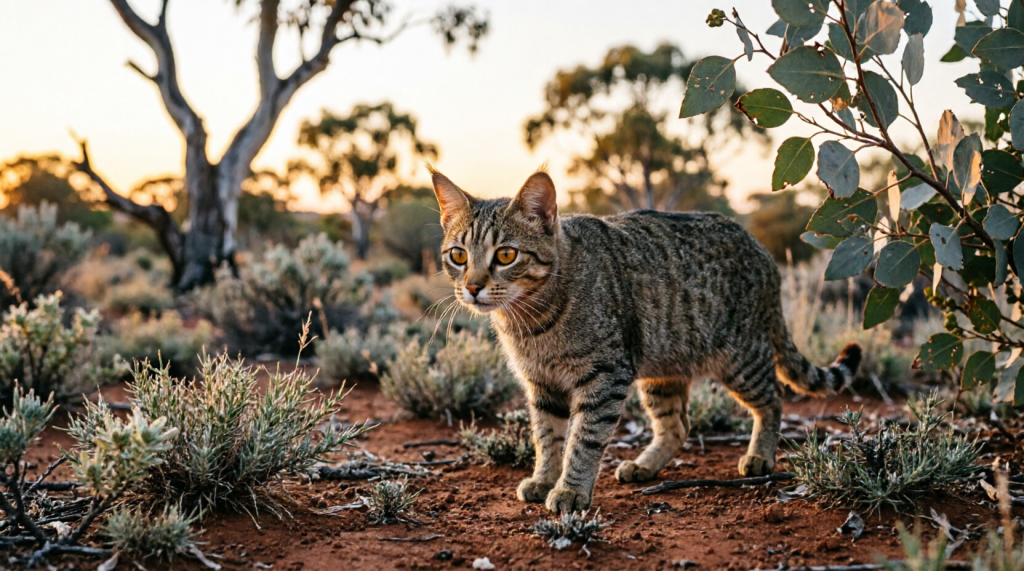 It helps us see beyond the conservation challenge to the animal itself. Maybe that's the heart of this whole discussion. Holding two truths at once. We can care deeply for cats as individuals while working to protect ecosystems from their invasive impact. Love and responsibility aren't mutually exclusive.
Managing the Challenge with Compassion and Science
So, where do we go from here? Managing australian wild cats requires a blend of science, community action, and compassion. Strategies include targeted trapping, humane euthanasia in high-conservation areas, and promoting responsible pet ownership to prevent more cats from going feral. Innovation is key. Researchers are exploring fertility control and genetic tools. But technology alone isn't enough. We need stories that connect people to the issue, like that twilight moment on my cousin's porch. When communities understand the "why," they're more likely to support the "how." It's also vital to support native wildlife recovery through habitat restoration and predator-free sanctuaries. Every action, big or small, contributes. You don't have to be a scientist to help. Simply keeping your pet cat indoors at night makes a difference. This journey isn't about perfection. It's about progress, one thoughtful step at a time. Together, we can write a better chapter for Australia's unique wildlife.Protecting Australia's Unique Ecosystem
The story of australian wild cats is complex, layered with ecology, ethics, and emotion. We've journeyed from myth to reality, from nighttime hunts to slow blinks of affection. The core truth remains. These feral felines are not native, and their impact is profound. But within that challenge lies opportunity. Opportunity for innovation, for community, for compassion. You hold power in your choices. As a pet owner, a neighbor, a voter, or simply someone who cares. Let's move forward with clear eyes and open hearts, protecting the irreplaceable wonders of Australia's natural heritage. The bush is counting on us. And honestly? So are the cats, in their own way. By acting with wisdom and kindness, we honor both.F A Q
Are there any truly native wild cat species in Australia?
No, Australia has no native wild cat species. All cats found in the wild are feral descendants of domestic cats introduced by Europeans. Our native predators include marsupials like quolls and the Tasmanian devil, but no felines evolved here naturally.What is the most effective way to reduce the impact of feral cats?
A combination of approaches works best. Keep pet cats contained, support humane feral cat management in conservation areas, and restore native habitats. Community-led programs and scientific research are crucial for long-term success.Can feral cats be tamed or rehomed?
While kittens socialized early can sometimes be rehomed, adult feral cats are typically too wary of humans to become pets. Trap-Neuter-Return (TNR) is generally not recommended in Australia due to ongoing predation. Management focuses on removal in high-priority areas.Do cat deterrents actually work to protect wildlife?
Some deterrents like motion-activated sprinklers or ultrasonic devices can help keep cats away from specific areas like bird nests. However, no deterrent is 100% effective, so the most reliable protection is keeping cats indoors, especially at dawn and dusk.How can I help if I find a cat that might be feral?
Contact your local council or a wildlife rescue organization for guidance. Do not attempt to handle a feral cat yourself, as they can be stressed and may scratch or bite. Professionals can assess whether the cat is lost, stray, or feral and determine the appropriate next steps.Advertisement
#Feral Cats
🐱
Looking for a cat in Australia?
Browse cats and kittens for sale near you — 100% free listings.